



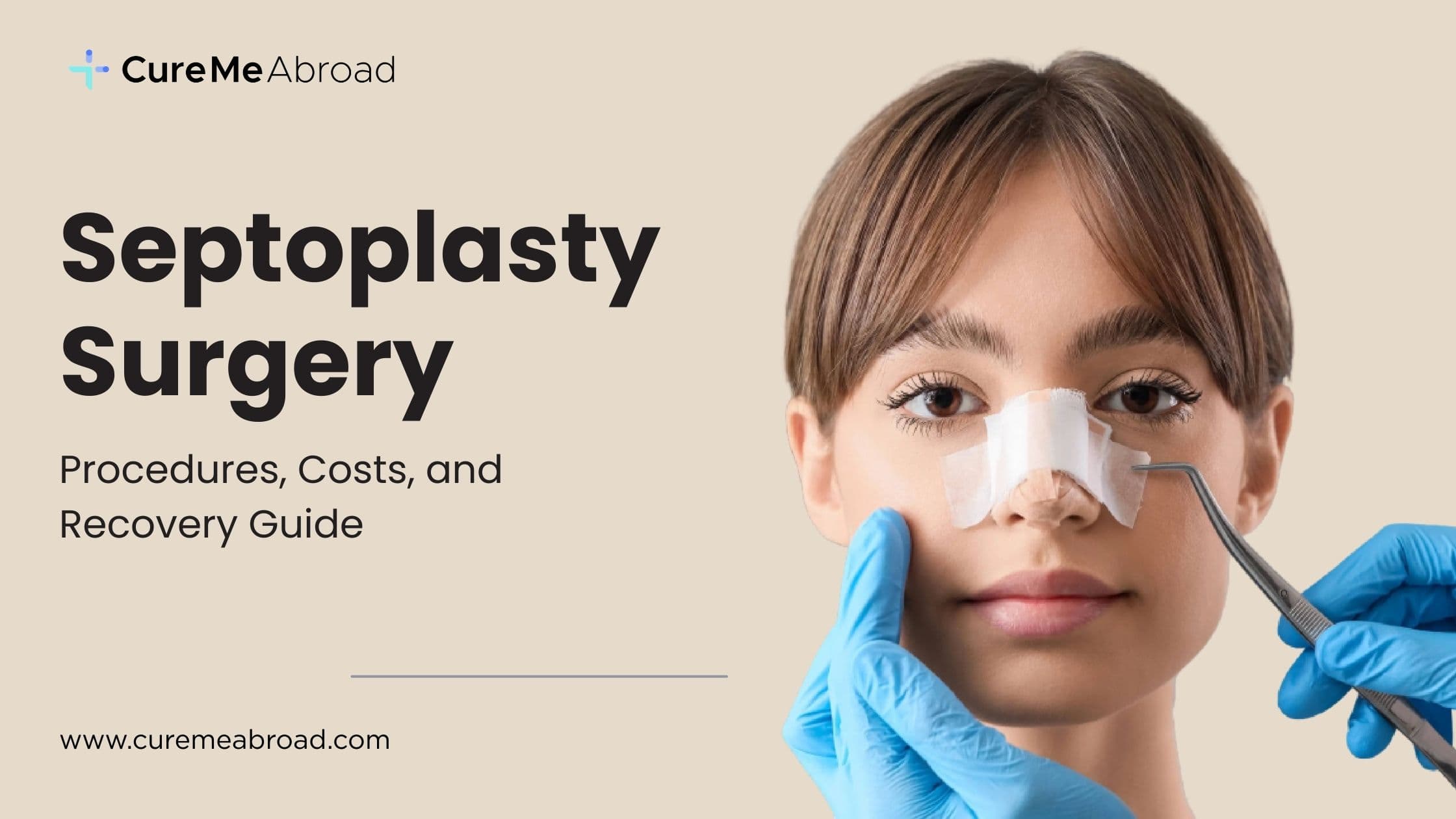
If you are someone who is dealing with nasal congestion, difficulty in breating or has persisitent issues with sinus, septoplasty surgery might be the permanent solutions for all your problems. This medical surgery is specially designed to fix structural issue related to the nose, which substancially enhances the quality of the life and respiratory function of the individual.
What is Septoplasty Surgery and How Does it Work?
In simple terms, septoplasty surery means that a surgical procedure that utilised to straighten the nasal bone can the cartilage that usually dives the spaces in the bone into two nostrils, which is generally called the nasal septum. When the septum is slighten tilted it is known as a condition called as deviated septum and it can case disruption in one side of the nose and reduce the flow of air in that space, which makes it more difficult to breath through the nose.
Detailed Procedure Overview
When the patient is undergoing the procedure, the surgeon reposition the nasal seption and alligns it to the center of the nose. This most frequently comprises of cutting and eradicating a portion of the septum before repositioning then in the right and straight position. It is mainly a functional surgery more than just a cosmetic one, although in few patients it is usually blended with the rhinoplasty procedure who hhave their focus on aesthetic appeals.
Modern Surgical Techniques and Innovations
There are numerous different approaches to perform this surgery:
Traditional Septoplasty: in this surgery the surgeons generally perform a internal incisiopn inside the nostrils.
Endoscopic Septoplasty: during this surgery the surgeons employ the use of a small camera which is called as a endoscope for high-accuracy in visualising the nasal canal which frequently results in smaller and precise incisions which ultimately leads to faster recovery.
Laser-Assisted Septoplasty: this procedures emcompases the use of laser technology which completely reshapes the cartilage and generally utilised for minor deviations.
Top Reasons Your Doctor May Recommend Septoplasty
Although alot of people have very slight deviation in their septim without they realising that it is causing problem to them, the surgery becomes essential when the problems develops into a crucial health issues.
Treating a Deformed or Deviated Nasal Septum
In cases where the septum is severely crooked or deviated can entirely interfere with the nasal passage leading to chronic stuffiness that does not really respond to allergy medication especially in form of nasal sprays.
Relieving Recurrent Nasal and Sinus Infections
A congested nasal passage leads to problems with proper drainage of the sinuses. This stagnant environment become a favourable environment for the bacteria to breed, this cayse frequent and painful sinus infection which is known as sinusitis.
Managing Chronic or Uncontrollable Nosebleeds
In rare cases the surface of the deviated septum becomes dry and brittle as there is irregular airflow, which makes it more prone to bleeding.
Reducing Snoring and Obstructive Nasal Blockage
When the airflow is hindered, the tissue in the throat may vibrate more rapidly, which leads to more intensity of snoring or even adds to the diseass like sleep apnea.
Step-by-Step Breakdown of the Surgical Process
Recognising the technical steps that are involved in the septoplasty surgery can help patients to reduce anxiety that normally occurs before the operation.
Anesthesia Options for Patient Comfort
This procedure is carried under general anesthesia, which helps the patients pass out during the procedure. Although, in few cases the surgeons also provides local anesthesia with sedation may be used to numb the areas where the incision is going to be made to keep the patients relaxed at all times.
Making the Incision and Accessing the Septum
The surgeons who are making the incision inside the nostrils just lifft the mucous membrane the protective skin that covers the septum and provides a pathway to the to the bone and cartilage beneath.
Correcting the Nasal Cartilage and Bone Structure
The deviated area of the cartilage or bone are either restricted, moved or partially removed to create space for comfortable airflow.
Final Repositioning of the Mucous Membrane
Once the septum is aligned to the center or the space in the nasal canal is created, the mucous membrane is laid back down over it. The surgeon generally uses stitches, splints or packing to hold the tissue in place in the initial phase of the recovery period.
Septoplasty Surgery Cost and Financial Considerations
For majority of the patients the septoplasty surgery cost in the major deciding factor, prices usually fluctuates substancially which depends on the country, the hospital’s reputation and the extent of severity of the cases.
Global Price Comparison: Spain, Mexico, Turkey, UK, and Germany
| Country | Estimated Cost (USD) | Service Level |
|---|---|---|
| India | $1,500 – $3,000 | High-quality private care |
| Turkey | $2,000 – $4,000 | World-class ENT hubs |
| Mexico | $2,500 – $4,500 | Convenient for North Americans |
| Thailand | $2,200 – $4,200 | Luxury medical facilities |
| Spain | $3,500 – $5,500 | Top European standards |
| United Kingdom | $5,000 – $8,500 | High overhead costs |
| Germany | $6,000 – $10,000 | Advanced technology/specialists |
Best International Hospitals for Nasal Surgery
If you are looking for some of the best facility for septoplasty surgery globally, the following hospitals are reputed for their ENT surgical team and overseas patient service department:
1. Memorial Şişli Hospital (Istanbul, Turkey)
Memorial Şişli is among the fiirst few hospital that holds the JCI (Joint Commission International) accreditation. Their department of Otolaryngology is globally recognized for minimally invasive nasal surgeries.
- Specialization: they have really high success rates in the space of redo-septoplasty and functional nasal surgery.
- International Support: they have a dedicated international patient center that manages airport transfers, translation and hotel bookings.
2. Apollo Hospitals (Chennai/Delhi, India)
Apollo has got the stature of “Architect of Modern Healthcare in India.” Their ENT department employs high–definition coblation and laser technologies for septoplasty, which reduces the blood loss and increase the rate of healing.
- Expertise: their surgeons perform over 1,000 nasal procedure every year, which makes sure that there is high level of clinical proficiency.
- Cost-Benefit: they provide the highest standard which is usually 20-30% of the cost in the US or UK.
3. Bumrungrad International Hospital (Bangkok, Thailand)
This facility serves over 1.1 million from 190+ countries every year. The Bumrungrad is a global leader in medical tourism. Their ENT team is well equipped with modern diagnostic tools.
8* Technology: they use advanced computed-assisted navigation system which is best for precise septal correction.
- Patient Experience: they are well recognised for their one-stop medical clinic where diagnostics and surgery can be planned within the same week.
4. Centro Médico Teknon (Barcelona, Spain)
A leader in the spanish community of healthcare services, teknon is the part of the Quirónsalud hospital group of hospitals. It is one of the most demanded facility in europen patients who are seeking high-tech ENT specialised care.
- Reputation: the hospital is renowned for their rigorous safety protocols and multidisciplinary technique to the respiratory health.
- Amenities: they offer premoum suite-style recovery rooms for the overseas patients.
5. Anadolu Medical Center (Kocaeli, Turkey)
Anadolu medical facility in turkey has an affiliation with John Hopkins Medicine (USA), which makes sure that their surgical protocols are with adherence to the american standards.
- Innovation: they are among the first hospitals to introduce the radiofrequency technology for turbinate reduction during the septoplasty procedure.
- Location: they are situated in the city which is away from the city center in Istanbul, which offer a quite and peaceful environment which is best for post-operative recovery period.
Pre-Surgical Preparation and Safety Protocols
Proper preparation before the procedure enables for smooth septoplasty surgery duration and recovery.
Pre-Op Consultation and Anesthesia Review
The patient will have a conselling with the lead anesthesiologist to discuss details regarding their history which ensures if the patient is the perfect fit for the surgery, and if the choosen anesthesia is right for the patient.
Reviewing Medical History and Medications
It is essential for the surgeon about all the medication the patient was taking. Patient may need to stop taking any blood thinners like aspirin for atleast two weeks before the surgery, as it carries major risk of hemorrhage.
Pre-Surgery Fasting and Lifestyle Restrictions
Generally patient will be asked to not take any food or water for atleast 8 hours before the surgery to avoid any food drug interaction with the anesthesia.
Postoperative Care and Recovery Timeline
The septoplasty surgery duration is comparatively short and lasts anywhere between 30 to 90 minutes. Although the care after the surgery determines the final outcome of the surgery.
Managing Rest and Initial Bleeding Control
It is imortant that for the first 24-48 hours, light bleeding and mucous drainage are normal. Patient will likely be wearing a drip bad under the nose, patient is advised not to blow nose at any cost during the first week after the surgery.
Dealing with Nasal Swelling and Discharge
Swelling on the nose and cheeks is something that is normal after the surgery. Keeping the head elevated at all times, even when sleeping will reduce the pressure and improve breathing.
Long-Term Recovery and Specialist Advice
Most patients retuen to the work or school within 5 to 7 days but strenuous physical activity should be avoided for atleast for the initial 3-4 weeks after the surgery to avoid injury and nosebleeds.
Understanding Potential Risks and Complications
Although the complications are rare, it is essetial to have knowledge about the potential risk which are associated with any nasal surgery.
Anesthesia Risks and Allergic Reactions
Few patients may have a adverse drug reaction to anesthesia or the material that is utilised in the nasal packing and splints.
Long-Term Scarring and Septal Perforation
In very rare cases, a small hole or perforation may develop in the septum, although frequently asymptomatic, a large perforation may cause a whistling sound when breathing which is at times confused with different diagnosis.
External Asymmetry and Nasal Discoloration
Although septoplasty is internal, minor changes to the external shape of the noose or temporary bruising/discolouration around the eye can occur.
Non-Surgical Alternatives to Septoplasty
This surgery is generally the last option after all the non surgical options are exhausted.
Medical and Non-Surgical Treatments
- Nasal Steroid Sprays: To reduce inflammation of the nasal lining.
- Decongestants: For temporary relief of stuffiness.
- Antihistamines: If the blockage is exacerbated by allergies.
When to Opt for Surgery Over Other Treatments
If the patient is experiencing breathing issues which is due to allergies or nasal polyps other than the structural bone/cartilage issues, surgery may not be the right recommendation.
Final Thoughts on Septoplasty Benefits
Septoplasty surgery is highly efficient, standard proceedure that can revolutionalised the ability to breath and sleep. By opting for other experienced surgeon and recognised overseas facility, the patient can gain access to world-renowned care at a very affordable rate. If non-surgical treatment have failed to provide relief, it may be tiime to enquire with the consult with an ENT specialist about this permanent solution.
FAQ: Common Questions About Septoplasty Surgery
What precautions should be taken after a septoplasty operation?
The most important precaution is to avoid blowing your nose for at least one week. You should also sneeze with your mouth open to prevent pressure buildup in the nasal passages and avoid heavy lifting or exercise for about a month.How long does it take to fully recover from septoplasty?
While the initial recovery takes about 1 to 2 weeks, the internal tissues, bone, and cartilage continue to heal for several months. Most patients feel "back to normal" within 4 weeks.What should be done to properly prepare for a septoplasty?
Ensure you have a clear medical history ready, stop taking any blood-thinning medications as advised by your doctor, and arrange for someone to drive you home after the procedure.What are the risks associated with having a septoplasty?
The primary risks include bleeding, infection, a septal perforation (a hole in the septum), or a change in the sense of smell, although these occur in a very small percentage of cases.What is the difference between septoplasty and rhinoplasty?
Septoplasty is a functional surgery performed strictly to improve breathing by straightening the internal septum. Rhinoplasty is a cosmetic surgery performed to change the external shape or appearance of the nose. When performed together, the procedure is called a septorhinoplasty.