

Do you want to have a baby but feel unsure about using a known donor or how natural insemination actually works? A known donor can offer peace of mind because you may already know their background, health history, and expectations. Natural insemination itself usually has little or no procedure cost, but expenses for STI testing, fertility checks, legal agreements, travel, and repeat attempts can range from a few hundred dollars to several thousand dollars depending on the situation. In this guide, we will cover how natural insemination works, success rates, costs, legal rights, health screening, alternatives such as IUI and IVF, and the important steps to take before getting started.
What Is Natural Insemination?
Natural insemination is a natural way of getting pregnant through sexual intercourse without any medical help and during natural insemination, fertilization may happen naturally around ovulation.
Natural insemination may happen between partners or with a known donor. The different types of natural insemination, along with the medical and legal points to know, are explained below.
Natural Insemination vs Artificial Insemination and IUI
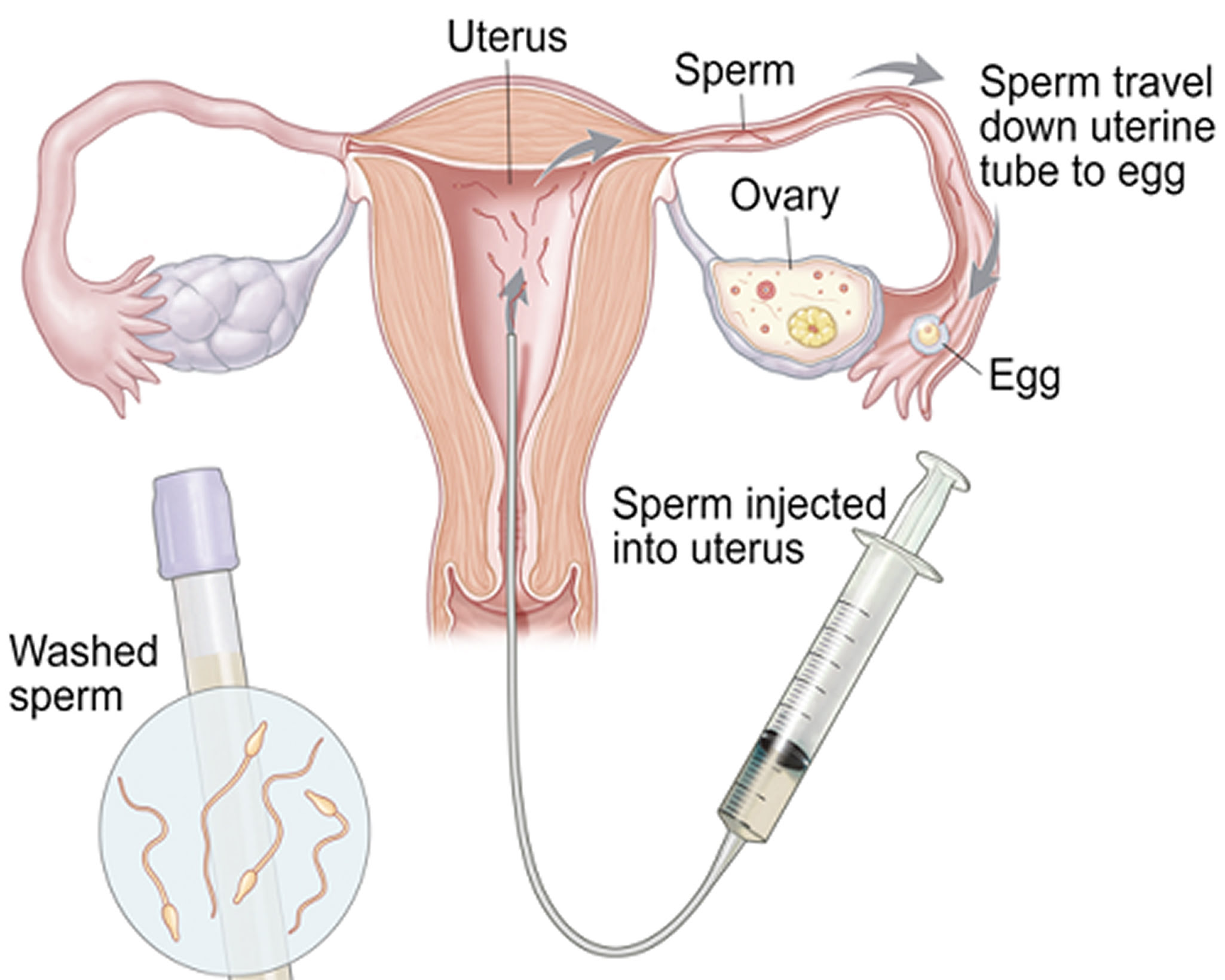
Natural insemination involves trying for pregnancy through sexual intercourse, Artificial insemination and IUI use sperm that has been collected before the procedure.
IUI is usually done at a fertility clinic around ovulation and it may be suggested when a couple needs extra help getting pregnant or when donor sperm is being used.
Home Insemination vs Donor Arranged or Partner Only Insemination
Partner- insemination is when a couple tries to conceive at home, often track ovulation and you should consider speaking with a fertility specialist when pregnancy does not happen after several months.
Donor-arranged natural insemination involves a known donor or co-parent. You should think about STI testing, donor screening and legal advice, before proceeding. This is because parental rights and responsibilities can vary by states.
How Natural Insemination Works - Step by Step
Natural insemination is a simple process but timing and preparation can make a difference. Firstly you need to understand your fertile days. Then you should make sure both partners or the donor and recipient are prepared before trying to conceive.
Timing and Ovulation Tracking for Best Chances
Firstly find out when you are likely to ovulate because these are the days when pregnancy is most likely to happen.
- You can use an ovulation test kit at home. The test kit can help you know when ovulation is likely to happen.
- Changes in discharge can be a sign that ovulation is getting closer.
- Then try to have intercourse during these fertile days instead of relying on one attempt.
- You should keep track of your cycle each month. This can help you spot your fertile days more easily.
Preparation Steps: Health Checks and STI Screening
Before natural insemination both partners or a donor should know their current STI status.
- Common tests include HIV, syphilis, gonorrhea, chlamydia, hepatitis B, and hepatitis C screening.
- Recent test results are more useful than older reports especially after possible exposure.
- You should consider vitamins and a general health check before trying to conceive and before natural insemination.
- IWhen pregnancy is taking longer than expected, fertility testing or semen analysis may help identify possible issues.
At Home Protocol vs Light Medical Supervision
At home natural insemination usually involves cycle tracking and intercourse during fertile days.
Light medical supervision may include STI testing, fertility checks, semen analysis or ovulation monitoring without moving to IUI or IVF.
You should consider guidance if conception is taking longer than expected or if donor arrangements are involved with natural insemination.
Success Rates and Who’s a Good Candidate
Typical Success Rates and Influencing Factors
- Pregnancy is usually easier before age 35.
- Fertile days are often the best time to try.
- Healthy sperm can improve the chances of conception.
- Sometimes pregnancy takes longer than expected.
- pregnancy is not happening, maybe a fertility check is needed.
Ideal Candidates and When to Avoid
- Couples with no known fertility problems are often suitable.
- Some single women choose donor arrangements.
- Known donors need health checks and legal planning.
- Repeated failed attempts may need extra fertility support.
- Severe sperm problems may reduce conception chances.
Cost Overview — Quick Answer
Natural insemination itself does not usually have a procedure cost and for couples trying to conceive naturally, the main expenses are often optional items such as ovulation kits, prenatal vitamins or doctor visits.
Typical No / Low Cost Scenarios
- Between partners there is usually no direct cost for natural insemination.
- Ovulation kits and prenatal vitamins are common small expenses.
- A known donor arrangement may stay under $1,000 when extra services are limited.
When Natural Insemination Becomes More Expensive
- STI testing and fertility checks can increase the cost.
- Legal agreements may add extra expenses for donor arrangements.
- Donor sperm, clinic support, and travel can raise the total cost.
- Multiple attempts can make your total cost higher over time.
Detailed Pricing Breakdown & Hidden Costs
Natural insemination can appear affordable at first. But many people don’t think about these costs such as fertility testing, donor agreements, travel, and repeat attempts which can gradually increase the total amount spent.
Medical Tests and Fertility Screenings
- Firstly an initial fertility consultation may cost you around $200 to $400.
- Ultrasound scans can range from about $150-$500 depending on the evaluation needed.
- Next fertility blood tests often cost you around $200 and $400.
- Then Semen analysis may cost around $50 to $300.
- The last cost is at home fertility testing kits commonly cost you around $50 to $200.
These costs are more common when a donor is involved or pregnancy is taking longer than expected.
Legal Fees and Donor Agreements
Natural insemination with a known donor may involve legal costs to help clarify responsibilities and expectations.
- In simpler situations the donor agreement reviews often cost around $300 to $800.
- More detailed reproductive law planning can cost you from $1,000 to $3,000 or more.
- Multi-state or complex co-parenting arrangements may cost even higher.
- Additional legal reviews can increase the overall cost depending on the arrangement.
- In some cases, attorney fees may be higher when more parties are involved.
Travel, Accommodation, and Cross Border Arrangements
Travel can become a hidden expense when natural insemination involves services outside your local area.
- Local travel expenses may start from about $20 to $200.
- Then overnight accommodation may cost you around $100 to $300 per night.
- Outside the state arrangements can easily cost $300 to $1,500 or more when transport and lodging are included.
- You should budget for repeat trips if more than one attempt is needed.
When You Might Pay Clinic Like Costs Even Without IUI
Avoiding IUI does not always mean avoiding fertility-related expenses.
- Sometimes fertility testing and monitoring can add significant costs before natural insemination.
- Donor screening, legal review, and travel expenses may increase the overall budget.
- Multiple attempts can also create additional support costs over time.
- You should plan for these expenses before starting the natural insemination process.
Legal Rights and Practical Protections
The legal side of natural insemination can be more complicated than many people expect. This becomes even more important when a known donor is involved.
How US Law Treats Donors vs Clinics (Parental Rights)
| Factor | Private Natural Insemination | Clinic or Sperm Bank Donation |
|---|---|---|
| Donor legal protection | May be less clear depending on state law | Usually stronger legal protection |
| Parentage disputes | Higher risk in some situations | Generally lower risk |
| Child support claims | May still arise in certain cases | Less likely when legal requirements are met |
| Written agreement | Helpful but not always enough on its own | Often supported by formal clinic procedures |
| State law impact | Can significantly affect the outcome | Still important but protections are often clearer |
- Firstly a donor is not always free from legal responsibility simply because both parties agree.
- Then courts may consider biology, intent, relationship history, and local parentage laws when disputes arise.
- You should review the legal position before starting the natural insemination process.
Essential Documents: Donor Agreements and Waivers
A written donor agreement is one of the most common protections used in natural insemination.
- Firstly, the agreement should state that the donor gives up parental rights and responsibilities.
- Then, it should identify the intended parent or parents as the legal parents.
- Also, future contact, privacy expectations, medical history, and consent should be documented.
- The agreement should be signed before conception takes place.
- You should obtain independent legal advice instead of relying on generic online forms.
State by State Variation and Checking Local Rules
Laws for natural insemination can vary significantly across the United States.
- In some states, donor protections are broader, while others have stricter requirements.
- Also, marriage status can affect legal protections in certain situations.
- Birth state and governing law may influence future parentage decisions.
- You should check local reproductive law before proceeding with natural insemination.
Health Risks and Safety Measures for Natural Insemination
A person can feel completely healthy and still have an infection before natural insemination. This is one reason why STI screening is often discussed before conception.
Infection Risks and STI Window Period Testing
Some infections may not appear on a test immediately after exposure, which is why timing matters.
- Firstly doctors usually screen for HIV, hepatitis B, hepatitis C, syphilis, chlamydia, and gonorrhea before natural insemination.
- Then chlamydia and gonorrhea can show up on testing within a 1 or 2 weeks after exposure.
- Also some tests for HIV may detect an infection earlier which is why the type of test can matter.
- In some cases like syphilis and hepatitis you might need to wait a bit longer to get a reliable test result, for natural insemination.
- You should talk to your doctor about the right testing timeline when to get tested before natural insemination.
Genetic and Semen Screening Recommendations
Firstly Genetic and semen screening can help to identify potential issues before natural insemination. Genetic screening may help to identify inherited conditions based on personal or family history whereas Semen analysis helps to check sperm count, movement, and shape to understand fertility potential. When a known donor is involved, natural insemination often includes STI testing, semen analysis, and genetic review is compulsorily needed to reduce avoidable risks. Last thing is you should speak with a healthcare provider to determine which tests are appropriate before natural insemination.
Emotional and Relational Risks to Discuss Beforehand
The emotional side of natural insemination should be discussed before trying to conceive. Everyone should understand expectations around future involvement, privacy, and responsibilities. If pregnancy takes longer than expected, stress and misunderstandings can sometimes affect the relationship between the donor and recipient. Problems may also arise later if boundaries are not clearly discussed from the beginning. You should have open conversations and consider a written agreement before natural insemination takes place.

Alternatives & Comparison of natural insemination
Natural Insemination vs IUI vs IVF (Quick Feature by Feature)
| Feature | Natural Insemination | IUI | IVF |
|---|---|---|---|
| How It Works | Sperm is placed naturally without a fertility procedure | Prepared sperm is placed directly into the uterus | Eggs are fertilized in a lab before transfer |
| Medical Involvement | Minimal | Moderate | Highest |
| Fertility Support | Limited | Helps sperm reach the uterus | Can overcome multiple fertility problems |
| Cost | Usually lowest | Higher than natural insemination | Highest treatment cost |
| Best For | No major fertility concerns | Mild fertility challenges | More complex fertility conditions |
| Treatment Steps | Fewer steps | Monitoring may be needed | Multiple procedures and medications |
When Clinicians Recommend Moving to IUI or IVF
| Situation | Possible Next Step |
|---|---|
| Several unsuccessful natural insemination cycles | IUI may be considered |
| Mild sperm or ovulation concerns | IUI is often recommended |
| Blocked fallopian tubes | IVF is usually required |
| Severe male factor infertility | IVF with additional techniques may help |
| Multiple fertility factors present | IVF may offer a higher chance of success |
Practical Checklist Before You Proceed with Natural Insemination
Step by Step Prep List (Tests, Legal, Finances)
Before natural insemination, it helps to have a clear plan for the medical, legal, and financial side.
- First complete STI testing and track ovulation before the first natural insemination attempt.
- Then if pregnancy is taking longer than expected, a semen check or fertility visit may help identify possible concerns.
- When a known donor is involved you should discuss about their expectations and sign a written donor agreement before conception.
- In some situations you may need a reproductive-law attorney which helps you understand how local laws may apply to your arrangement.
- You should budget for testing, ovulation kits, prenatal vitamins, travel, clinic visits, and repeat natural insemination cycles.
Sample Questions to Ask Donors or Clinics
Asking questions before natural insemination can help avoid confusion later.
- First ask about the STI test, when was that test taken lastly and what infections the test included.
- Then ask the donor about their previous semen testing, fertility history and any health condition about their family genetic history they know about.
- And also discuss about the future involvement, legal agreements, and if pregnancy occurs.
- You should ask the clinic what preparation is needed and when they would suggest moving from natural insemination to IUI.
Final Thoughts
So far we have discussed what natural insemination is and how natural insemination may happen with a partner or a known donor. And also we looked at how natural insemination cost is, the extra costs that may come with testing, legal agreements, travel, and repeat attempts.
Sorting out these things early can save you from a lot of stress. You should talk to the doctor and get legal advice if you're using a donor.
If you need to find a fertility doctor, hospital or clinic, CureMeAbroad can help you. You can find a hospital and meet with a fertility expert, through Cure Me Abroad and book a consultation today.
FAQs
1. Is Natural Insemination Safe?
Natural insemination is usually safe when both people complete STI testing and understand the process. When a donor is involved, health screening and legal planning become even more important.
2. How Long Does It Usually Take to Work?
Natural insemination can work in the first cycle, but many people need several attempts. Age, ovulation timing, and sperm quality can all affect how long it takes.
3. Can Intended Parents Be Genetically Related to the Baby in Surrogacy?
Yes, in gestational surrogacy, the embryo can be created using the intended parents' egg and sperm, so the baby is genetically related to them.
4. What Tests Should Donors and Recipients Get?
Donors are usually screened for infections and may have genetic testing. Recipients often have STI screening, fertility checks, cycle tracking, and other tests recommended by their doctor.
5. Can a Donor Be Legally Required to Pay Child Support?
Yes, in some situations. A written donor agreement can help, but state laws still matter, especially when natural insemination happens outside a licensed fertility clinic.
6. How Long Does Natural Insemination Take to Work?
Natural insemination may work after one attempt, but many people need multiple cycles. If pregnancy is not happening after several months, further fertility evaluation may help.
Reference
Panama Fertility. (2025). Insemination complete: 2025 guide to natural and assisted conception. https://panamafertility.com/en/insemination-complete-2025-guide-to-natural-and-assisted-conception/
Pride Angel. (2025). Natural insemination. https://www.prideangel.com/Information-Centre/Fertility-Treatment/Natural-Insemination.aspx
Society for Assisted Reproductive Technology. The difference between IUI and IVF.
https://www.sart.org/patients/fyi-videos/the-difference-between-iui-and-ivf/
Sperm Donor Hub. Natural vs. artificial insemination.
https://www.spermdonorhub.com/natural-vs-artificial-insemination/
New Hope Fertility. (2023). Chance of pregnancy by age: Naturally vs. IUI vs. IVF.
https://www.newhopefertility.com/blog/chance-of-pregnancy-by-age-naturally-vs-iui-vs-ivf/
Extend Fertility. (2019). Fertility statistics by age.
https://extendfertility.com/your-fertility/fertility-statistics-by-age/
American Pregnancy Association. (2012). Donor insemination.
https://americanpregnancy.org/getting-pregnant/donor-insemination/
Cryos International. Cost of home insemination.
https://www.cryosinternational.com/en-us/us-shop/client/how-to/home-insemination/cost-of-home-insemination/
TalksOnLaw. Sperm donor parental rights.
https://www.talksonlaw.com/briefs/sperm-donor-parental-rights
National Center for Biotechnology Information. (2008). Paternity law: Sperm donors, surrogate mothers and child custody.
https://pmc.ncbi.nlm.nih.gov/articles/PMC6170122/
Fairfax Cryobank. (2025). 6 questions to ask yourself before pursuing donor conception in 2026. https://fairfaxcryobank.com/blog/6-questions-to-ask-yourself-before-pursuing-donor-conception-in-2026