



Making the decision to undergo a nose job is a significant and exciting step toward achieving better facial harmony and self-confidence. However, surgery is only one part of the journey—the real transformation happens gradually during the healing phase.
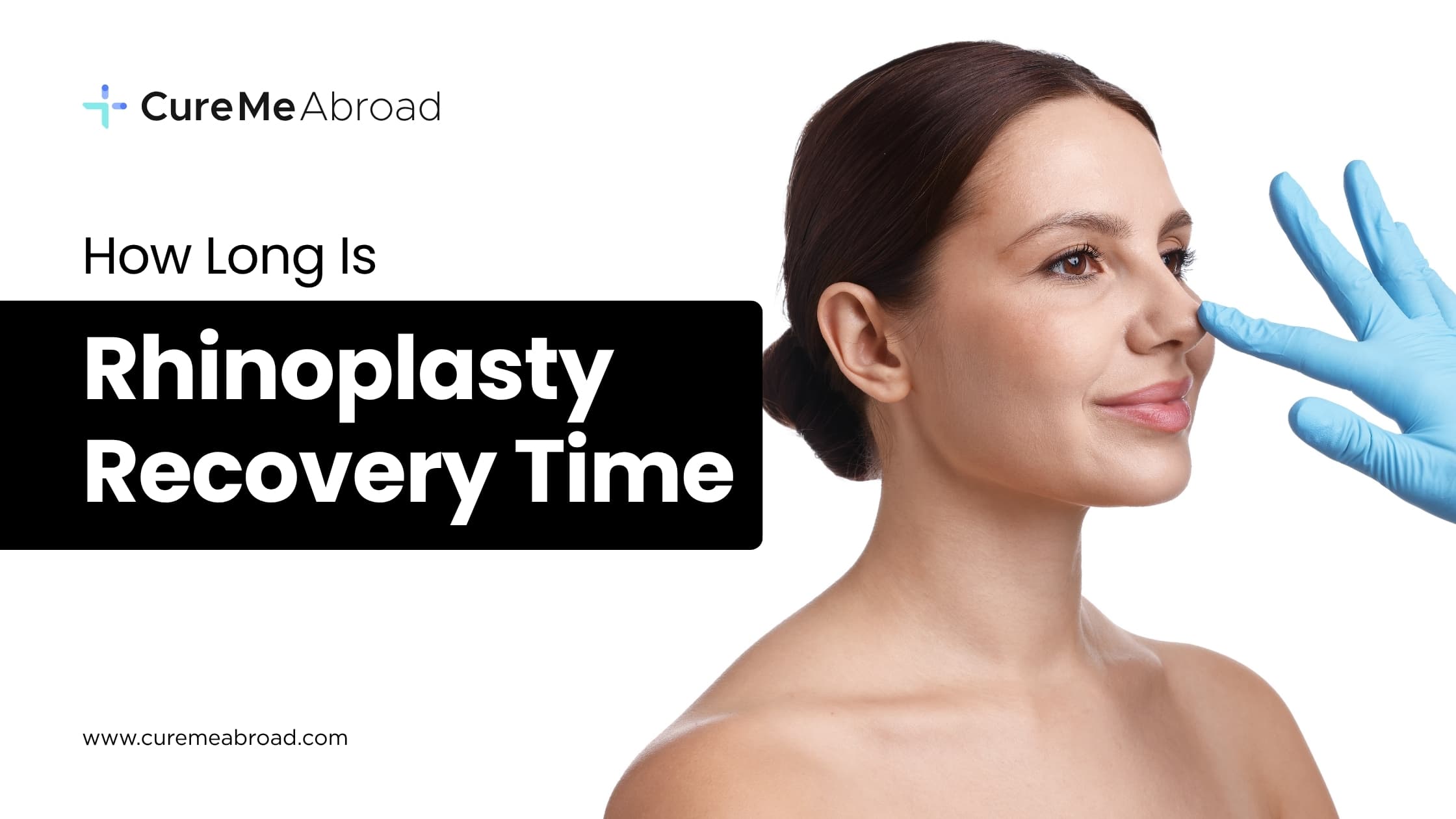
Understanding rhinoplasty recovery time helps patients prepare for what lies ahead and ensures a smoother, stress-free recovery experience.
It’s a common misconception that rhinoplasty results are immediate. In reality, recovery is a step-by-step process where swelling subsides, tissues settle, and the final shape becomes visible over time. Proper aftercare, rest, and patience play a crucial role in achieving the best outcome.
What Is Rhinoplasty Surgery?
Rhinoplasty, commonly known as a nose job, is a surgical procedure that reshapes the nose. It is primarily performed to enhance appearance but can also improve function.
The procedure may involve:
- Adjusting the size or shape of the nose
- Improving facial proportions
- Correcting congenital defects
- Repairing injuries
- Fixing breathing issues (e.g., deviated septum)
Choosing a board-certified plastic surgeon is essential for both safety and optimal results.
Understanding Rhinoplasty Recovery Time
Rhinoplasty recovery is highly individualized. Your healing process depends on:
- Procedure complexity – More extensive reshaping requires longer recovery
- Overall health – Conditions like diabetes or smoking can delay healing
- Natural healing ability – Recovery speed varies from person to person
- Post-operative care – Following your surgeon’s instructions is critical
While visible bruising typically resolves within two weeks, internal healing continues for months. Temporary numbness, congestion, and tightness are normal during early recovery.
Rhinoplasty Recovery Timeline
Immediate Phase: First 7 Days
During the first week, you may experience:
- Mild to moderate pain (managed with medication)
- Swelling and bruising
- Nasal congestion (mouth breathing)
- Splint or cast on the nose
- Possible nasal packing
Important care tips:
- Keep your head elevated at all times
- Use saline sprays to maintain moisture
- Apply cold compresses carefully (avoid direct skin contact)
Swelling is typically at its peak during this phase and gradually begins to reduce.
Weeks 1–2: Early Healing Stage
- Splint is usually removed
- Bruising fades significantly
- Light daily activities resume
- Avoid blowing your nose
- Return to work (non-physical jobs possible)
Note: The nose may still appear uneven or swollen—this is completely normal.
Weeks 3–4: Continued Recovery
- Swelling reduces significantly
- Nose shape becomes more defined
- Light exercise may resume
- Glasses can be worn carefully (with support if needed)
Avoid heavy workouts and sun exposure unless cleared by your surgeon.
Month-by-Month Recovery Progress
2–3 Months
- Most visible swelling disappears
- Nasal bridge looks refined
- Tip may still feel firm or swollen
3–6 Months
- Noticeable improvement in definition
- Swelling continues to reduce
- Healthy lifestyle supports healing
6–12 Months
- Final shape becomes clearer
- Breathing function normalizes
- Scar tissue softens
12–18 Months
- Full results visible for most patients
- Residual swelling fully resolves
- Nasal tip definition improves
Minor internal healing may continue beyond one year.
How to Support a Healthy Rhinoplasty Recovery
Use Cold Compresses
Apply gently during the first few days to reduce swelling and discomfort.
Avoid Unprescribed Medications
Do not take anti-inflammatory drugs unless approved, as they may increase bleeding risk.
Take Prescribed Medication Only
Follow your surgeon’s instructions strictly for pain management and healing support.
Prioritize Rest
Avoid strenuous activities and protect your nose from accidental impact.
Stay Active (Lightly)
Gentle walking improves circulation and promotes healing.
Avoid Getting Bandages Wet
Opt for baths instead of showers during the first week to protect splints and dressings.
Results After Rhinoplasty
As recovery progresses:
- The nose appears more natural and refined
- Facial harmony improves
- Breathing function (if corrected) enhances
Results are long-lasting and often permanent.
Patience is key during the rhinoplasty healing process, as final outcomes develop gradually over time. Following recovery guidelines including avoiding unnecessary strain and limiting excessive talking after rhinoplasty in the early stages can help reduce swelling and support the best possible long-term results.
Conclusion
Rhinoplasty recovery is a gradual, well-structured healing process that extends far beyond the surgery day. While initial recovery takes about 1–2 weeks, full results can take up to a year.
Understanding the timeline helps set realistic expectations and reduces stress during recovery.
By following your surgeon’s advice, maintaining a healthy lifestyle, and allowing your body enough time to heal, you can achieve optimal and satisfying results.
Frequently Asked Questions
How long is rhinoplasty recovery time?
Initial recovery takes 1–2 weeks, while full recovery may take 12 months.
When will swelling go down?
Most swelling subsides within 3–4 weeks, but minor swelling may last several months.
When can I return to normal activities?
- Light work: 1–2 weeks
- Heavy exercise: 4–6 weeks
Does everyone recover at the same pace?
No. Recovery varies based on procedure type, skin type, and overall health.
References
- The Avoca Clinic (2022)
- Rhinoplasty Surgeon India (2024)
- Kensington Medical (2025)