




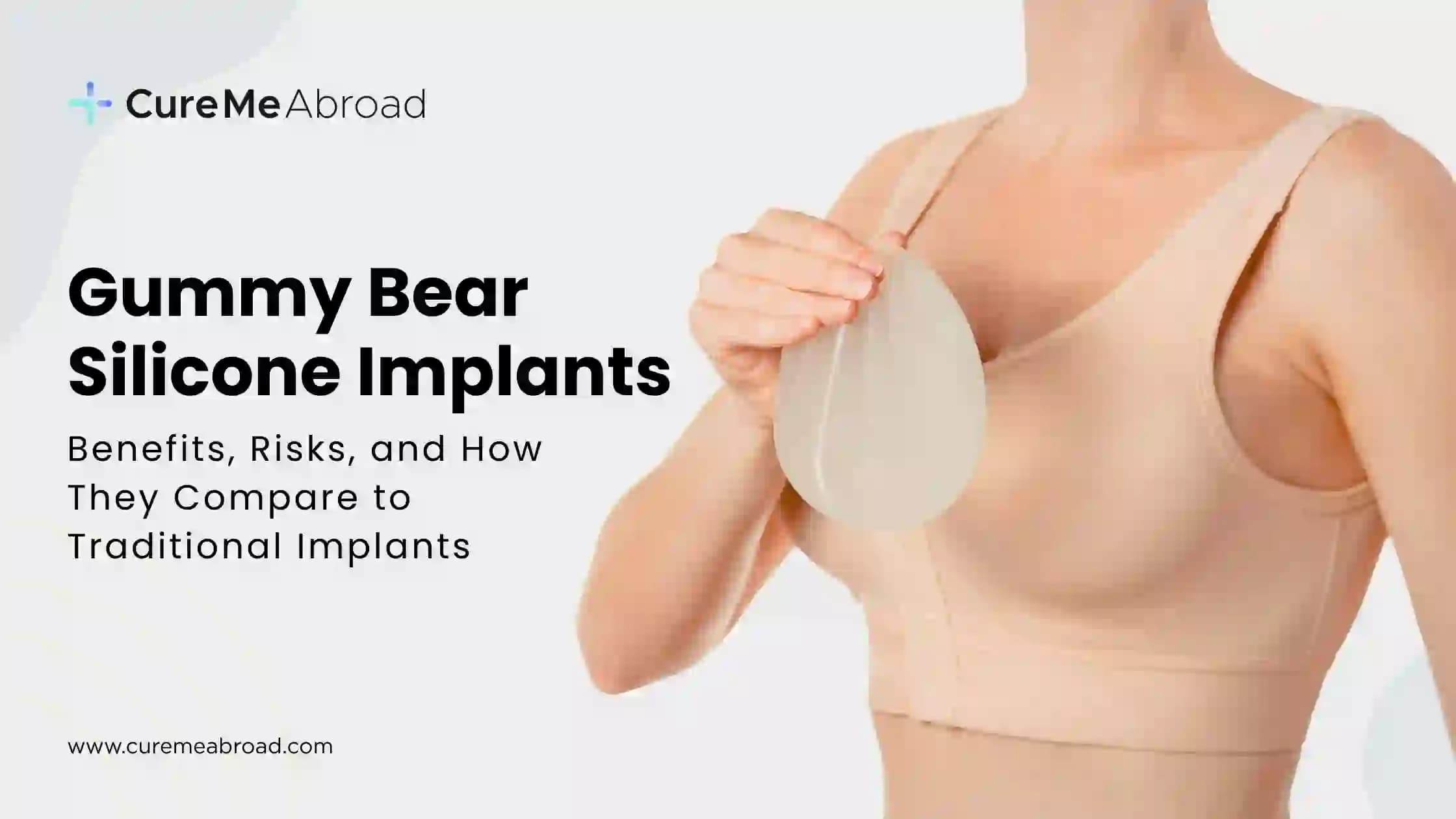
Breast augmentation has evolved significantly over the years. One of the most advanced options available today is gummy bear silicone implants, also known as cohesive gel implants.
These implants maintain their shape while offering a natural look and feel, making them increasingly popular for long-lasting and aesthetically pleasing results.
What Are Gummy Bear Silicone Implants?
Gummy bear silicone implants are cohesive gel breast implants known for their:
- Form stability
- Natural shape
- Durability
Key Characteristics:
- Filled with highly cohesive silicone gel
- Teardrop or anatomical shape
- Maintain shape better than traditional implants
- Less likely to leak if ruptured
- Provide a natural breast contour
The nickname “gummy bear” comes from their consistency: like gummy candy, the gel retains its shape even if the shell is damaged.
Types of Silicone Implants
Silicone implants are categorized based on gel consistency, shape, and stability.
1. Traditional Silicone Gel Implants
- Round shape
- Soft texture
- Natural feel
- Slightly higher risk of gel movement if ruptured
Traditional silicone implants remain widely used for breast augmentation.
2. Gummy Bear (Cohesive Gel) Implants
- Anatomical/teardrop shape
- Shape-stable design
- Firmer consistency
- Reduced leakage risk
Often chosen for natural-looking breast enhancement.
3. Highly Cohesive Form-Stable Implants
- Strong structural integrity
- Enhanced projection
- Long-term stability
- Frequently used in breast reconstruction
Sometimes considered the latest generation of gummy bear implants.
Benefits of Gummy Bear Silicone Implants
Natural Shape and Appearance
- Teardrop shape mimics the natural breast slope
- Ideal for minimal natural breast tissue
Shape Retention
- Maintains structure even when compressed, rotated, or cut
Reduced Risk of Leakage
- Cohesive gel remains in place if the shell ruptures
Lower Chance of Rippling
- Firmer, consistent thickness reduces visible folds
Long-Term Durability
- Typically last 10–20 years with proper care
Risks and Potential Complications
Implant Rotation
- Teardrop implants may alter breast shape if rotated
Firmer Feel
- Slightly firmer than traditional silicone
Higher Cost
- Advanced design increases price
Surgical Complexity
- Precise placement required for optimal results
Capsular Contracture
- Scar tissue may tighten around the implant
Gummy Bear vs Traditional Silicone Implants
| Feature | Gummy Bear Implants | Traditional Silicone Implants |
|---|---|---|
| Shape | Teardrop / Anatomical | Round |
| Gel Consistency | Highly cohesive | Soft silicone gel |
| Shape Retention | Very high | Moderate |
| Natural Contour | Excellent | Good |
| Risk of Leakage | Lower | Slightly higher |
| Feel | Slightly firmer | Softer |
| Cost | Higher | Lower |
Gummy bear implants prioritize shape stability and natural contour, while traditional silicone implants focus on softness and flexibility.
Who Is a Good Candidate?
Ideal candidates for gummy bear implants:
- Desire natural breast shape
- Minimal existing breast tissue
- Undergoing breast reconstruction
- Prefer long-lasting, shape-stable implants
- Comfortable with slightly firmer implants
A board-certified plastic surgeon will help determine suitability based on anatomy and goals.
Breast Augmentation Procedure
1. Consultation
- Evaluate body proportions, chest wall, skin elasticity, and desired size/projection
2. Implant Placement
- Submuscular (under muscle): More natural contour, less rippling
- Subglandular (over muscle): Shorter recovery, suitable with adequate tissue
3. Incision Options
- Inframammary fold (under breast)
- Periareolar (around nipple)
- Transaxillary (underarm)
4. Recovery Timeline
| Timeframe | Recovery Milestones |
|---|---|
| First week | Swelling, mild discomfort, limited activity |
| 2–4 weeks | Gradual return to normal activities |
| 6–8 weeks | Full healing and final implant positioning |
Following post-surgery care instructions is crucial for optimal results.
Longevity of Gummy Bear Implants
- Not lifetime devices, but often last 10–20 years or longer
- Regular monitoring through clinical exams, MRI, or ultrasound recommended
Frequently Asked Questions
Are gummy bear implants safer than traditional implants?
- Considered very safe; cohesive gel reduces leakage risk.
Do gummy bear implants feel natural?
- Firm but natural, especially when placed under the muscle.
Can gummy bear implants rupture?
- Rare, and gel generally stays contained due to cohesiveness.
Are gummy bear implants worth it?
- Yes, for patients seeking natural shape, durability, and stability.
Final Thoughts
Gummy bear silicone implants offer advanced breast augmentation with:
- Shape-stable design
- Natural contour
- Reduced leakage risk
Choosing the right implant depends on anatomy, goals, and lifestyle. A consultation with a board-certified plastic surgeon ensures safe, effective, and aesthetically pleasing results.