

The waiting is the part nobody mentions. Retrieval is done, embryos are frozen, and there are still weeks to go before a transfer date even gets confirmed. Medications start, scans happen, blood gets drawn, and the lining either reaches the thickness the clinic needs or it doesn’t. If it doesn’t, the cycle gets called off, and you begin again.
A frozen embryo transfer (FET) is where a thawed embryo gets placed into the uterus during a cycle managed completely apart from stimulation. The procedure takes a few minutes. What comes before it takes considerably longer.
In this blog, you will learn how the frozen embryo transfer timeline works from egg retrieval through to the pregnancy test, what happens in the body at each stage, what causes delays, and how long the process realistically takes.
What Is a Frozen Embryo Transfer (FET)?
The frozen embryo transfer timeline makes more sense once you know what the procedure itself involves. A frozen embryo gets thawed and put into the uterus during a cycle that has nothing to do with egg retrieval. The embryo originates either from a prior IVF cycle in which surplus blastocysts were cryopreserved or from a donor source.
Frozen transfer has become more common than fresh transfer at many IVF units. A study in the JBRA Assisted Reproduction journal found stronger pregnancy outcomes in certain patient groups with frozen embryos over fresh ones. There is also less OHSS risk when stimulation and transfer happen in separate cycles. For patients doing chromosomal testing, the gap between retrieval and transfer gives PGT results time to come back before anything is booked. Which of the 3 protocols is used depends on the patient's cycle type:
| FET Protocol | How It Works | Used When |
|---|---|---|
| Medicated (Programmed) | External estrogen and progesterone prepare the endometrium | Ovulation is absent or unpredictable |
| Natural Cycle | Transfer is timed around the patient's own ovulation event | Menstrual cycles are regular |
| Modified Natural | Natural cycle plus an ovulation trigger injection for scheduling precision | Regular cycles where the transfer date needs tighter control |
Step-by-Step Frozen Embryo Transfer Timeline (From Egg Retrieval to Pregnancy Test)
The frozen embryo transfer timeline officially starts the moment viable embryos are frozen and stored. Here is how each stage unfolds.
Stage 1: Egg Retrieval and Embryo Cryopreservation
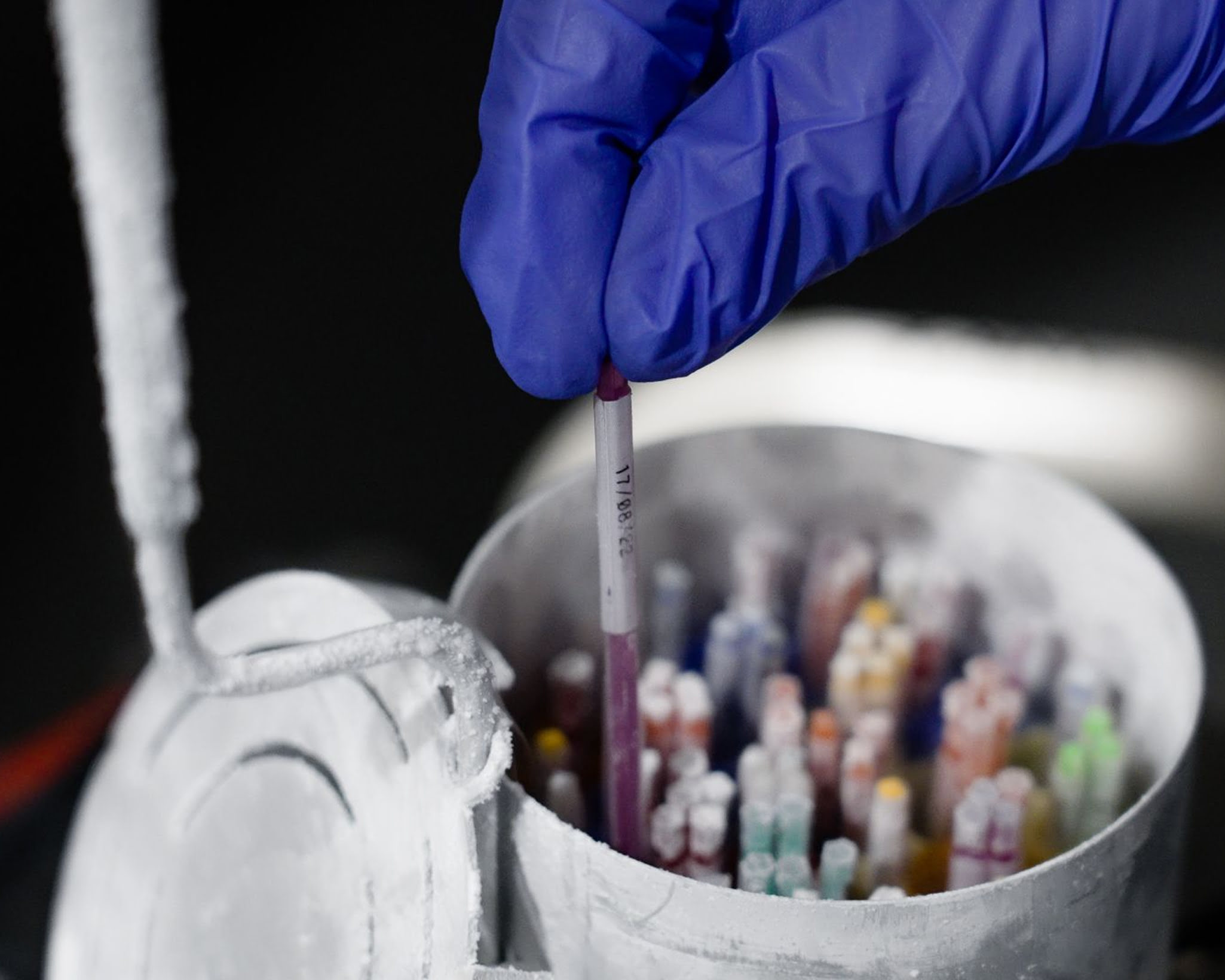
During retrieval, eggs are collected under sedation and fertilized in the lab. The resulting embryos are then monitored for 3-5 days to see which ones develop into blastocysts. The ones that make the cut get flash-frozen, mostly on days 5-6, and sit in storage.
PGT-A genetic testing adds a wait on top of that since the biopsy results take 5-6 weeks to come back from the external lab. Most doctors hold off on booking the transfer until the patient has had at least one full period after retrieval.
Stage 2: Endometrial Preparation
Estrogen starts on day 2 or 3 and runs for 10-14 days. Its job is to thicken the uterine lining enough to support an embryo. The form it comes in, whether tablets, patches, or vaginal inserts, depends on what the clinic prescribes and what the patient can manage.
Stage 3: Monitoring
Somewhere around days 10-12 the clinic brings the patient in for an internal scan and a blood draw to check estrogen. The lining needs to show a trilaminar pattern and hit at least 7-8 mm before anyone moves forward. Too thin and estrogen gets adjusted or the cycle stops there.
Stage 4: Progesterone Start and Embryo Transfer
Lining looks good; progesterone gets added. 5-6 days into progesterone use is when day 5 embryos get transferred. The thawed embryo loads into a soft catheter, goes through the cervix, and gets placed in the uterus while the doctor tracks the whole thing on an abdominal ultrasound. No needles, no anesthesia; most patients say they barely felt it.
Stage 5: Post-Transfer Hormone Support and Pregnancy Test
Both medications keep going after the transfer without interruption. 10-14 days later, a blood test at the clinic checks hCG levels and gives the actual answer on whether pregnancy happened.
Frozen Embryo Transfer Timeline Overview (Day-by-Day Breakdown)
Medicated FET from cycle day 1:
| Cycle Point | Clinical Activity |
|---|---|
| Day 1 | Menstruation starts; the clinic is informed to schedule baseline visit |
| Days 2-5 | Baseline ultrasound and bloods: estrogen started |
| Days 6-10 | Daily estrogen and lining thickness tracked |
| Days 10-12 | Monitoring scan and serum estradiol |
| Days 12-14 | Lining meets criteria; progesterone added |
| Days 17-19 | Embryo transfer, 5-6 days after progesterone began |
| Post-transfer days 1-5 | Blastocyst hatches; first contact with uterine wall |
| Post-transfer days 6-10 | Trophoblast invasion; hCG secretion starts |
| Post-transfer days 10-14 | Serum beta-hCG drawn at clinic |
Frozen Embryo Transfer Timeline Before Transfer
One part of the frozen embryo transfer timeline that often gets overlooked is everything that happens before medications even begin.
Initial Assessment and Uterine Cavity Evaluation
At the pre-cycle consultation, the physician examines the patient's reproductive history, prior IVF outcomes, and the number and developmental grade of stored embryos. Saline infusion sonography or office hysteroscopy screens the uterine cavity for polyps, submucous fibroids, and adhesions. Each of these structural findings, if unresolved, lowers the probability of successful implantation. Corrective intervention takes place before the medication phase opens.
Pre-Cycle Laboratory Investigations
- Basal hormone panel: FSH, LH, estradiol, progesterone, AMH
- Infectious disease screening per clinic protocol
- Semen analysis or sperm thaw check where applicable
- ERA biopsy for patients with two or more unexplained prior implantation failures
How to Prepare for Your Frozen Embryo Transfer: A Practical Checklist
Some things are worth knowing before the frozen embryo transfer timeline gets underway.
- Get medications picked up before cycle day 2 or the start date gets pushed back
- Estrogen needs to be taken at the same time every day, and once progesterone begins, missing a dose isn’t an option
- Go to every monitoring scan regardless of how fine you feel; those results are what the clinic acts on
- Anything the clinic told you to stop before the cycle, supplements included, stop it
- In the hour before the transfer, drink water; the bladder needs to be full for a clear ultrasound
- Don’t test at home before the clinic blood draw; early results regularly mislead people
- After the transfer keep taking everything prescribed until the clinic specifically says to stop
Frozen Embryo Transfer Timeline During Medication Phase
Estrogen Phase
Estradiol is prescribed across 10-14 days to build the endometrium to the target thickness. Oral estradiol valerate, transdermal patches, and vaginal tablets are all in routine use; the choice is protocol-driven and adjusted for individual patient factors.
Progesterone Phase
Once the lining reaches the required thickness and pattern, progesterone converts it from proliferative to secretory. That shift is the prerequisite for blastocyst attachment. For day 5 transfers, progesterone starts 5-6 days before the procedure. In confirmed pregnancies, it is maintained through approximately 8-10 weeks of gestation. Delivery options include intramuscular oil-based injection, vaginal suppository, and subcutaneous gel.
Frozen Embryo Transfer Timeline After Embryo Transfer
The post-transfer phase is arguably the quietest part of the frozen embryo transfer timeline, but it still comes with a few things to keep in mind.
- Most patients leave the transfer suite and go straight back to light activity the same day.
- Bed rest isn’t recommended and has no evidence behind it for improving implantation.
- Hormone medications keep going without any break.
- Hard exercise and sexual intercourse are off the table for the post-transfer period.
- Fever, severe pelvic pain, or bleeding heavier than light spotting needs a same-day call to the clinic, not a wait until the next appointment.
When Can You Take a Pregnancy Test After FET?
Clinic-ordered serum beta-hCG at 10-14 days post-transfer is the standard confirmation method. It yields a numerical hCG concentration, not a simple positive or negative indicator.
| Test Type | When to Use | Caveats |
|---|---|---|
| Serum beta-hCG | Day 10-14 post-transfer | Ordered by the clinic; quantitative |
| Home urine test | Not before day 12-14 | False negatives before hCG peaks; false positives if hCG trigger was used within 10 days |
| Second serum draw | 48 hours after initial positive | Checks for expected hCG doubling pattern |
Before day 10, hCG in an early implantation may not yet exceed the assay detection threshold. Patients who had an hCG trigger injection must factor in the gradual washout of that exogenous hormone, which can produce a positive test result several days after the injection was given.
What Is the Implantation Window After Frozen Embryo Transfer?
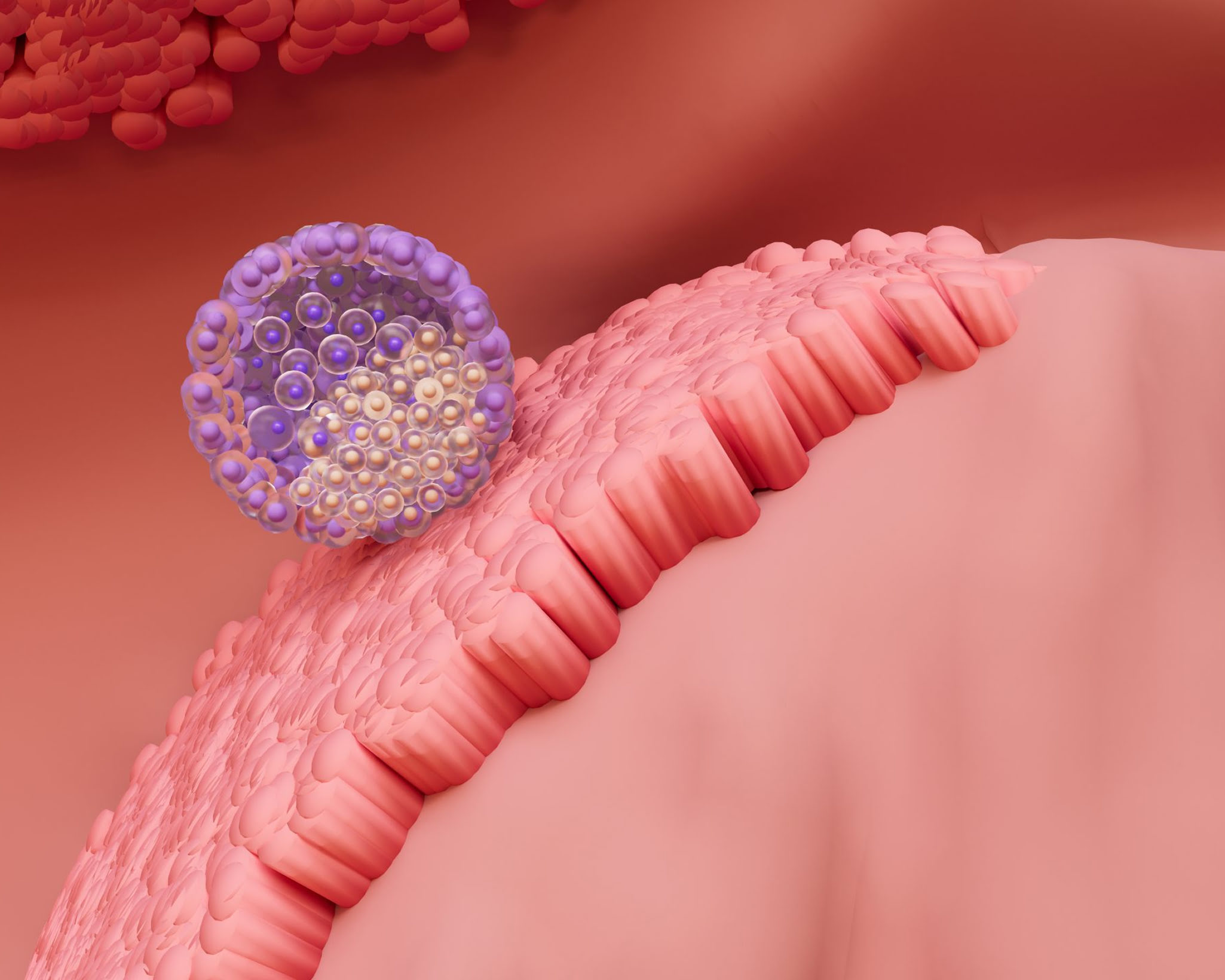
The window of implantation (WOI) is the defined interval during which the secretory endometrium will accept a blastocyst. In a day 5 transfer, initial adhesion between the embryo and the uterine lining occurs within the first 1-2 days after transfer. Trophoblast penetration of the endometrium is typically complete by post-transfer day 5 or 6. From that point, hCG production begins and reaches serum-detectable levels at around day 8 or 9 post-transfer.
Patients with two or more failed transfers despite chromosomally normal embryos may be offered an ERA biopsy to map the individual WOI. The biopsy is analyzed for endometrial receptivity markers and used to adjust the timing of future transfers. Published data indicate benefit in this specific clinical subgroup; ERA isn’t part of standard pre-transfer workup for patients without prior implantation failure.
What You Will Feel During Each Stage of the FET Timeline
Symptoms feel different at each point of the frozen embryo transfer timeline, and most of them have nothing to do with whether the transfer worked.
During the estrogen phase, breast tenderness and mild bloating are the most frequently reported effects. Headaches occur in a smaller proportion of patients. After the procedure itself, uterine cramping for 1-2 days is a common response to cervical catheter passage. Spotting within the first 48-72 hours post-transfer is also frequently noted and generally doesn’t require investigation.
The 10-14 day wait after transfer is pharmacologically dominated by progesterone. Fatigue, bloating, and breast changes are expected side effects of the medication and carry no predictive information about whether the transfer was successful. Patients should be advised that the absence of symptoms is equally non-informative.
What to Expect After Frozen Embryo Transfer: Day-by-Day Recovery
| Day Post-Transfer | Biological Event | Reported Symptoms |
|---|---|---|
| Day 1 | Blastocyst present in uterine cavity; no wall contact | Mild cramping, fatigue |
| Days 2-3 | Zona pellucida hatching begins | Possible light spotting |
| Days 4-5 | Blastocyst contacts the endometrial surface | Breast tenderness, pelvic pressure |
| Days 5-6 | Trophoblast invasion; hCG synthesis starts | Pink or brown spotting possible |
| Days 7-9 | hCG rises toward serum-detectable concentrations | Fatigue, nausea in some cases |
| Days 10-14 | hCG measurable in blood | Pregnancy symptoms if implanted, or menses onset if not |
Factors That Can Delay Your Frozen Embryo Transfer Timeline
Lining Below 7 mm at the Monitoring Visit
Extended estrogen use or a dose increase is tried first. If the endometrium still doesn’t meet criteria, the cycle is cancelled and begun again.
Uterine Cavity Findings at Baseline or During Preparation
Polyps, intracavitary fluid, or adhesions that weren’t identified before the cycle started require a corrective procedure and push transfer to the next cycle.
Premature Serum Progesterone Rise
Progesterone climbing during the estrogen phase takes the endometrium out of synchrony with the planned embryo stage. In most centers, this triggers cycle cancellation rather than a modified transfer attempt.
Post-Thaw Embryo Non-Viability
Over 90% of vitrified embryos survive warming at experienced centers, but losses do happen. A non-viable thaw on transfer day requires an immediate decision about substituting another frozen embryo or rescheduling.
PGT-A Laboratory Turnaround
No transfer date is booked until a euploid embryo result has been confirmed in writing. At 5-6 weeks per report, this is consistently one of the longest delays between retrieval and transfer.
Non-Clinical Scheduling Factors
Patient illness, travel, and clinic capacity constraints can each push the cycle back independently of any clinical finding.
Frozen Embryo Transfer Risks, Side Effects & Complications
| Risk or Complication | Clinical Notes |
|---|---|
| Pelvic cramping and light spotting | Frequent post-transfer finding; self-limiting within a few days in most cases |
| Ectopic pregnancy | Uncommon; detected by pelvic ultrasound at 6-7 gestational weeks |
| Multiple gestation | Directly proportional to the number of embryos transferred |
| Gestational hypertension | Modestly higher rate in FET pregnancies relative to fresh transfer cohorts |
| OHSS | Rare in FET; substantially more prevalent following fresh stimulated cycles |
| Cycle cancellation | Can occur at any point in the monitoring schedule if clinical thresholds aren’t reached |
Complications of the preceding oocyte retrieval procedure, including bleeding, infection, and injury to adjacent pelvic structures, are not FET risks. They warrant a separate informed consent discussion before the stimulation cycle starts.
Frozen Embryo Transfer Timeline Summary
| Phase | Approximate Duration |
|---|---|
| IVF stimulation cycle and egg retrieval | 10-14 days |
| Recovery before FET preparation | 6-8 weeks |
| PGT-A testing, where requested | 5-6 weeks |
| Medicated endometrial preparation | 2-3 weeks |
| Embryo transfer visit | Single outpatient day |
| Post-transfer to serum beta-hCG | 10-14 days |
Conclusion
Most people going through this say the same thing afterward: it took longer than they thought, the 2-week wait was harder than the injections, and they wished they had known earlier that a cancelled cycle doesn’t mean something went wrong.
The frozen embryo transfer timeline isn’t a straight line for most patients. Lining issues, a premature progesterone rise, or a thaw that doesn’t go as planned can add weeks to the schedule, and none of them are rare. Knowing that going in doesn’t make it easier exactly, but it does mean you are not blindsided when it happens.
Stick with your clinical team, ask questions at every monitoring visit, and don’t read too much into symptoms during the wait. That part has never been a reliable signal either way.
With CureMeAbroad, you can look up verified fertility clinics abroad, see what treatment costs before you commit, and get real support through your frozen embryo transfer, all from one place.
FAQs
1. How long does a medicated FET cycle take from day one to the pregnancy test?
The frozen embryo transfer timeline moves at different speeds for different people, but 4-5 weeks is what most patients on a medicated cycle experience. Did genetic testing happen before this cycle? Add 3-4 months from retrieval on top of that.
2. Do you need bed rest after a frozen embryo transfer?
Short answer, no. Patients go home the same day and get on with things. A few days off the heavy gym sessions are about as strict as most clinics get. Spending the day flat on your back has never actually been shown to help.
3. What happens if the embryo does not survive the thaw?
The lab knows by transfer morning. Sometimes there is a second embryo ready to go. Sometimes there isn’t and a new cycle gets planned instead. Either way, the team tells you the same day and you leave knowing what is next.
4. Should spotting after transfer worry you?
A bit of pink or brown discharge in the 2 or 3 days after transfer is genuinely common and almost always traces back to the catheter going through the cervix. Some patients notice a small amount again around day 5 or 6 and that can be implantation. The situation that needs a same-day phone call is proper red bleeding that keeps coming.
5. Can stress cause a frozen embryo transfer to fail?
High physical demands on the body, whether from illness, rapid weight loss, or extreme training loads, can shift hormone levels in ways that make implantation harder. Emotional stress is a different question. Clinical trials haven’t confirmed it independently causes transfers to fail. Fertility teams still bring it up because how a patient is doing overall is always part of the clinical picture.
References
Frozen Embryo Transfer (FET) Timeline: What to Expect Step by Step — Pacific Reproductive Center (2025)
https://www.pacificreproductivecenter.com/frozen-embryo-transfer-fet-timeline-what-to-expect-step-by-step/Freezing Embryos — Johns Hopkins Medicine (2023)
https://www.hopkinsmedicine.org/health/treatment-tests-and-therapies/freezing-embryosFrozen Embryo Transfer: Timelines, Success Rates, and How to Prepare — Alife Health (2024)
https://www.alifehealth.com/blog/frozen-embryo-transfer-timelines-success-rates-how-to-prepare/Finding of the Optimal Preparation and Timing of Endometrium in Frozen-Thawed Embryo Transfer: A Literature Review of Clinical Evidence — NIH / PubMed Central (2023)
https://www.ncbi.nlm.nih.gov/pmc/articles/PMC10497870/What to Expect After an Embryo Transfer (Symptoms by Day) — Advanced Fertility Center of Chicago (2025)
https://www.advancedfertility.com/blog/what-to-expect-after-an-embryo-transfer-symptoms-by-dayThe Optimal Timing of Frozen-Thawed Embryo Transfer: Delayed or Not Delayed? A Systematic Review and Meta-Analysis — Frontiers in Medicine / PubMed Central (2024)
https://www.ncbi.nlm.nih.gov/pmc/articles/PMC10825964/