
CoolSculpting Before and After: Results, Timeline, and What to Expect
You can eat well and exercise regularly yet still struggle with stubborn fat around your abdomen or waist. CoolSculpting targets these pockets of fat without surgery, but the results develop gradually over several weeks. CoolSculpting before and after results depend on the treatment area and how your body responds. Knowing when changes may appear and what the treatment can realistically achieve helps you set clear expectations. This blog explains the results timeline, treatment areas, and factors that influence your outcome.
What Is CoolSculpting and How Does It Work?
CoolSculpting is an FDA-cleared nonsurgical fat-reduction procedure. It uses a technology called cryolipolysis, also known as fat freezing, to target fat cells beneath your skin. Fat cells are more sensitive to cold than the surrounding skin and tissues, which makes this treatment possible.
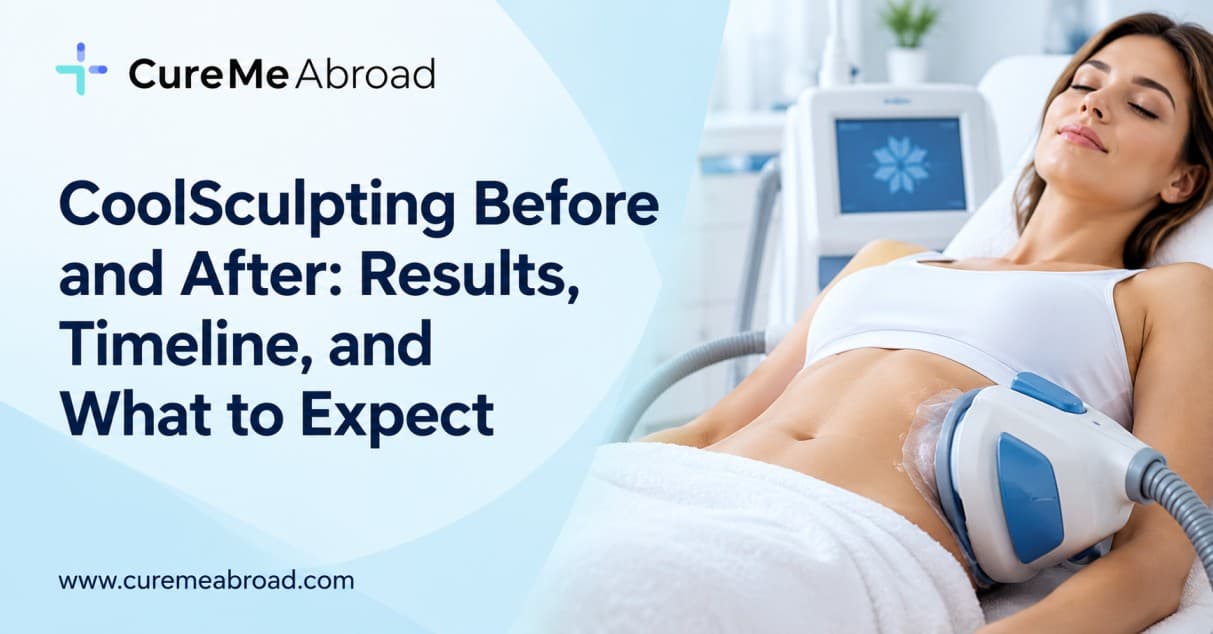
Here’s what happens during a treatment: A special cooling device is placed on the area you want to treat. It cools the fat beneath your skin to a controlled temperature. This cold temperature damages the fat cells while protecting the surrounding tissues. Once the fat cells are damaged, your body gradually breaks them down and eliminates them. This process takes place over the following weeks and months as your body clears the treated cells.
The important thing to know is that CoolSculpting before and after results don’t show up right away. Because the treatment works through your body’s natural processes, you need to wait to see the full results. This differs from surgery, where fat is removed during the procedure. That’s why patience is an important part of the process.
CoolSculpting Before and After Results: What Changes Can You Expect?
Knowing what to look for helps you track your results over time. Taking clear before and after photos can also help you compare changes in the treated area.
Here’s what you may notice:
Reduced Fat Layer Thickness
In a small clinical study involving 10 subjects, the manufacturer reported a 20-25% reduction in the treated fat layer at 2 and 6 months in 6 subjects. Results vary, and this level of reduction isn’t guaranteed for every person.
Improved Body Contour
You won’t necessarily lose weight on the scale, but your body may look smoother and more sculpted. Your clothes may fit differently, and the treated area may look less bulky.
Flatter Abdomen
The lower belly is a common treatment area and may gradually look flatter over several months.
Reduced Flank Fullness
Love handles that extend over your waistband may become less noticeable, making your waist look more streamlined.
Slimmer Thighs
CoolSculpting may reduce pockets of fat around the thighs over time, although the amount of improvement varies.
Defined Jawline
A smaller CoolSculpting applicator can target fat beneath the chin and may make the jawline and neck look more defined.
When Will You Start Seeing Results?
One of the most common questions is how soon the results will become visible. CoolSculpting results develop gradually, and the timing varies from person to person. Here’s an approximate guide to the CoolSculpting before and after timeline:
| Timeframe | What’s Happening | What You’ll Notice |
|---|---|---|
| Day 1 (Treatment) | The cooling process targets fat cells in the treated area | The area may turn red or feel firm. You may also experience temporary numbness. |
| Weeks 1-2 | Your body responds to the treatment. | Swelling may begin to subside. You may experience tingling or soreness. |
| Weeks 3-4 | Your body continues processing the treated fat cells. | Visible changes may still be subtle. |
| Weeks 4-8 | Your body continues clearing the damaged fat cells. | You may begin to notice less fullness in the treated area. |
| Weeks 9-12 | Changes in the treated area may become more noticeable. | Before and after photos may show improvements in body contour. |
| Months 3-6 | Further changes may occur as your body continues to respond. | Results may become more apparent, although the timing and extent of improvement vary. |
Many patients begin noticing changes within 1-3 months. To track your progress, take photos before treatment and again at 4, 8, and 12 weeks. This can make changes easier to notice than checking the mirror every day.
Factors That Affect Treatment Results
Not everyone gets the same results. Several factors can influence how your CoolSculpting before and after comparison looks.
Metabolism
Individual differences in how the body responds to treatment may affect the timing of results. However, the exact timeline can’t be predicted based on metabolism alone.
Treatment Area Size
Small, concentrated pockets of fat may be suitable for treatment. Larger areas or more substantial fat deposits may require additional sessions to achieve the desired results.
Subcutaneous Fat Ratio
This treatment targets fat beneath your skin that you can pinch. It doesn’t target the deeper fat around your organs. Your fat distribution can influence the visible results.
Number of Sessions
One session may reduce the fat layer in the treated area. Additional sessions may lead to further improvement, depending on the treatment area and your goals.
Post-Treatment Lifestyle
Maintaining a stable weight through balanced eating and regular exercise can help preserve your body contour after treatment.
Provider Expertise
The placement of the cooling device and selection of treatment areas can affect the treatment process. A qualified provider can assess your suitability and develop a treatment plan based on your needs.
How Many Sessions Are Needed?
The number of sessions depends on the treatment area, existing fat volume, and personal goals.
| Goal | Typical Sessions Needed |
|---|---|
| Mild refinement of one small area | One session may be sufficient. |
| Moderate reduction in one area | Additional sessions may be recommended. |
| Multiple areas treated | The number of sessions depends on the areas being treated. |
| More extensive contouring | A personalized treatment plan may involve several sessions. |
The timing of follow-up sessions depends on your treatment plan and how your body responds. Your provider can recommend when another session may be appropriate.
How Long Do the Results Last?
Once CoolSculpting destroys and eliminates treated fat cells, those cells don’t grow back. This can make the reduction in fat cells long-lasting.
However, the fat cells that remain in the treated area can still enlarge if you gain weight. Your body shape may therefore change over time, even after treatment. Maintaining a stable weight and following healthy eating and exercise habits can help you maintain your results.
Potential Side Effects and Risks
CoolSculpting is less invasive than surgery, but it can still cause side effects and complications.
| Side Effect | Frequency | Duration | Severity |
|---|---|---|---|
| Redness and flushing | Common | Hours to a day | Usually mild |
| Temporary numbness and tingling | Common | Days to weeks | Usually mild |
| Swelling and puffiness | Possible | Days to weeks | Usually mild |
| Bruising at the treatment site | Possible | Days to weeks | Usually mild |
| Post-treatment soreness | Possible | Varies | Mild to moderate |
| Late-onset pain | Possible | Varies | May require medical assessment |
| Paradoxical adipose hyperplasia (PAH) | Rare | May persist without treatment | Serious; surgery may be needed |
| Nerve-related symptoms | Possible | Varies | Depends on severity |
| Cold-related skin injury (freeze burn) | Rare | Varies | May require medical assessment |
One of the more serious complications is paradoxical adipose hyperplasia, or PAH. Instead of shrinking, the treated area develops an enlargement of fat tissue. PAH is rare, but the enlargement may not resolve on its own. Surgery may be needed to correct it. Discuss this and other potential risks with your provider before treatment.
Who Is a Suitable Candidate for CoolSculpting?
CoolSculpting works best for certain people. It is important to understand that this isn’t a weight-loss treatment.
Suitable candidates usually:
- Are at or close to their target body weight.
- Have small, concentrated pockets of fat beneath their skin that they can pinch.
- Understand that results develop gradually and the amount of fat reduction is limited.
- Prefer to avoid surgery and an extended recovery period.
- Can maintain a relatively stable weight.
CoolSculpting may not be suitable for:
- People seeking significant weight loss.
- Anyone whose main concern is deep abdominal fat around their organs.
- People whose main concern is loose or sagging skin.
- People with certain cold-related conditions, such as cryoglobulinemia, cold agglutinin disease, or paroxysmal cold hemoglobinuria.
- Women who are pregnant or breastfeeding, as treatment suitability should be discussed with a qualified provider.
- Anyone with open sores or active skin problems in the areas being treated.
A qualified provider can review your medical history and determine whether the procedure is appropriate for you.
CoolSculpting vs. Liposuction: Key Differences
Both treatments reduce fat, but they work in different ways. They also differ in their goals, costs, and recovery needs.
| Factor | CoolSculpting | Liposuction |
|---|---|---|
| Procedure Type | Nonsurgical treatment | Surgery involving small incisions |
| Anesthesia | Usually not required | Local or general anesthesia, depending on the procedure |
| Fat Reduction | Gradual, targeted fat reduction | More substantial fat removal may be possible |
| Results Timeline | Results develop over weeks to months | Swelling can affect results for weeks or months |
| Downtime | Usually little to none | Recovery time is required |
| Typical Sessions | Additional sessions may be needed | Often completed in one procedure, depending on the treatment plan |
| Average Cost | Varies by area and number of sessions | Varies by area, surgeon, and procedure |
| Risk Level | Nonsurgical risks, including rare complications | Surgical and anesthesia-related risks |
| Best For | People with suitable small pockets of fat who prefer a nonsurgical approach | People seeking greater fat removal who are suitable for surgery |
One option isn’t automatically better than the other. Liposuction can remove more fat in a single procedure, but it involves surgery, associated risks, and recovery time. CoolSculpting may suit people who want to avoid surgery and prefer gradual changes.
Conclusion
CoolSculpting can help reduce stubborn fat pockets that remain despite regular exercise and a balanced diet. However, results take time, and the amount of change varies from person to person. Understanding CoolSculpting before and after results helps you know what to expect before choosing treatment. The procedure isn’t designed for weight loss or loose skin. Your treatment area, body composition, and goals can influence the results you may achieve. Consult a qualified provider to determine whether CoolSculpting is suitable for you and how many sessions you may need.
With CureMeAbroad, you can connect with trusted hospitals and experienced doctors abroad to explore suitable body contouring options and make an informed decision about your treatment.
Frequently Asked Questions
1. Can CoolSculpting tighten loose or sagging skin?
No. CoolSculpting targets fat beneath your skin and isn’t designed to tighten loose or sagging skin. If you have both loose skin and excess fat, your provider can discuss suitable treatment options.
2. Does CoolSculpting hurt during the procedure?
You may feel intense cold, pulling, or tugging during the first few minutes. The area often becomes numb as the treatment continues, which can make the procedure more comfortable. The experience varies by person and treatment area.
3. Does fat move to other areas after CoolSculpting?
No. CoolSculpting doesn’t cause treated fat to move to other areas of your body. However, if you gain weight after treatment, fat cells in both treated and untreated areas can enlarge. Maintaining a stable weight can help preserve your body contour.
4. Can men get CoolSculpting, and do results differ?
Yes. Men may be suitable candidates for CoolSculpting, including those who want to target fat around the abdomen and flanks. CoolSculpting before and after results vary depending on the treatment area and individual response. Men should discuss potential risks, including paradoxical adipose hyperplasia, with their provider before treatment.
5. Is one CoolSculpting session ever enough?
One session may be enough for someone seeking a modest improvement in a small area. CoolSculpting before and after photos can help track changes over time. Some people may need additional sessions depending on their treatment goals and response. A provider can recommend a suitable treatment plan.
References:
- What to Know About CoolSculpting: Medical News Today: 2023 https://www.medicalnewstoday.com/articles/322060
- What Is CoolSculpting and Is It Safe? : Mayo Clinic Press: 2022 https://mcpress.mayoclinic.org/nutrition-fitness/what-is-coolsculpting-and-is-it-safe/
- Does CoolSculpting Actually Work?: GoodRx Health: 2024 https://www.goodrx.com/conditions/weight-loss/what-is-cool-sculpting
- CoolSculpting for Fat Loss: Is It Safe?: WebMD: 2023 https://www.webmd.com/beauty/coolsculpting
- Is CoolSculpting Safe? Risks, Side Effects & Expert Guide: Sculpted Contours: 2024 https://sculptedcontours.com/blog/is-coolsculpting-safe/