

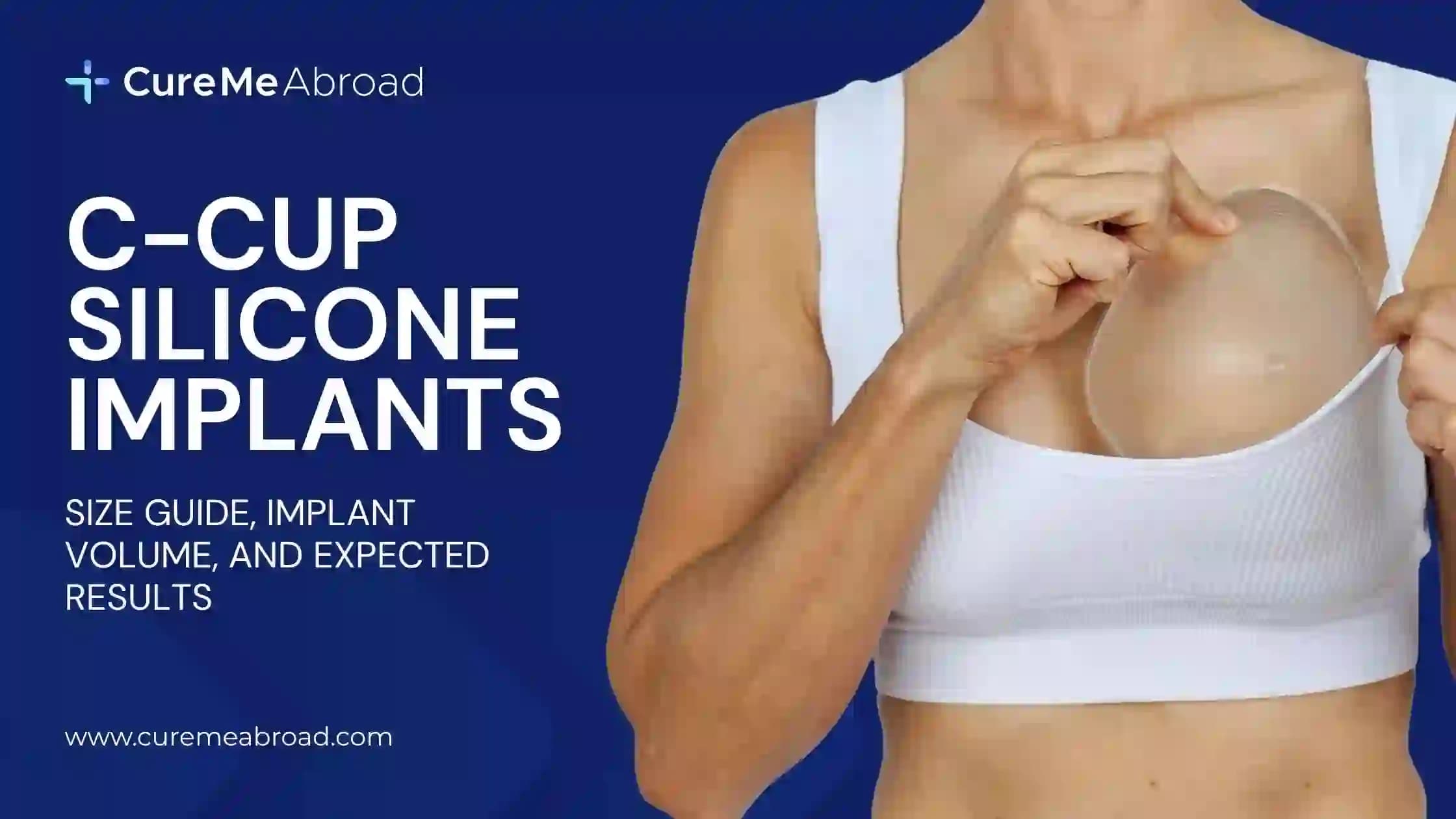
Breast augmentation remains one of the most popular cosmetic procedures worldwide. Among the most requested outcomes is achieving a natural-looking C-cup, which is why many patients search for C-cup silicone implants when planning surgery.
This guide explains everything you need to know about C-cup silicone implants, including implant volume, sizing charts, expected results, recovery insights, and pricing, helping you make informed decisions before your consultation.
What Are C-Cup Silicone Implants?
C-cup silicone implants are designed to increase breast size to approximately a C-cup bra size. They are filled with cohesive silicone gel, which closely mimics the feel of natural breast tissue.
Benefits of silicone implants include:
- Soft and natural feel
- Maintains shape better than saline implants
- Lower risk of visible rippling
- Smooth contours, especially for slimmer patients
Note: Cup size is influenced by breast tissue, chest width, implant profile, and placement, so the same implant volume may produce different results on different individuals.
Key Factors Affecting C-Cup Results
- Current breast size
- Chest width and rib cage shape
- Breast tissue thickness
- Implant profile (low, moderate, high)
- Implant placement (above or below the muscle)
What Implant Size Creates a C-Cup?
There isn’t a one-size-fits-all implant volume. Most patients achieve a C-cup with implants ranging 300–400 cc, depending on their body type and starting size.
| Starting Size | Typical Implant Volume for C-Cup |
|---|---|
| AA cup | 350–400 cc |
| A cup | 325–375 cc |
| Small B cup | 300–350 cc |
| Full B cup | 250–300 cc |
Surgeons often use implant sizers during consultation to visualize final results.
C-Cup Silicone Implants Size Chart
| Implant Volume | Approximate Result |
|---|---|
| 250 cc | Full B to small C |
| 300 cc | Natural C-cup |
| 325 cc | Moderate C-cup |
| 350 cc | Full C-cup |
| 400 cc | Large C / small D |
Bra sizing varies by brand; surgeons focus on proportion and natural balance rather than letter size alone.
What Do C-Cup Implants Look Like?
C-cup implants provide a balanced, proportional look with:
- Fuller upper breast contour
- More projection
- Enhanced cleavage
- Natural body balance
Body Frame Influence:
- Petite: Fuller, more noticeable enhancement
- Average: Natural and balanced look
- Athletic: Subtle, proportional increase
Silicone Implant Profiles
Profile affects forward projection:
| Profile Type | Projection | Ideal For |
|---|---|---|
| Low Profile | Subtle | Wide chest, natural contour |
| Moderate Profile | Balanced | Most C-cup candidates |
| High Profile | Maximum | Dramatic cleavage or rounder look |
Two patients with the same 350 cc implant may look different depending on the profile.
Average Cost of C-Cup Silicone Implants
United States: $6,000 – $12,000
Turkey (medical tourism): $3,000 – $5,000 (often includes surgery, hotel, transportation, and post-op care)
Cost factors include:
- Surgeon experience
- Implant type (traditional vs. gummy bear/cohesive)
- Geographic location
- Surgical facility fees
Always prioritize qualified surgeons and accredited clinics over price.
Expected Results from C-Cup Silicone Implants
- Natural breast feel
- Balanced body proportions
- Improved clothing fit
- Boosted confidence
Longevity: 10–20 years with proper care; some patients keep implants longer if no complications occur.
Recovery Timeline
First Week:
- Mild swelling and soreness
- Limited arm movement
- Pain managed with medication
Weeks 2–4:
- Swelling decreases
- Light activities resume
- Improved comfort
6–8 Weeks:
- Resume exercise
- Implants settle into final position
- Most patients return to work within 7–10 days
Potential Risks
While breast augmentation is generally safe, risks include:
- Implant rupture
- Capsular contracture
- Infection
- Changes in nipple sensation
- Implant displacement
Choosing a board-certified plastic surgeon reduces risks and ensures optimal results.
Tips for Choosing the Right Implant Size
- Bring reference photos to your consultation
- Use implant sizers to visualize results
- Consider lifestyle and activity level
- Focus on long-term proportional balance
Frequently Asked Questions
How many cc implants equal a C-cup?
Usually 300–350 cc, depending on your body type, chest width, breast tissue, and starting breast size.
Will 350 cc implants give me a C-cup?
Often, yes. For patients starting with an A cup or small B cup, 350 cc implants commonly achieve a full C-cup, although the final size varies between individuals.
Do silicone implants feel natural?
Yes. Silicone gel implants closely mimic the feel and movement of natural breast tissue, making them the preferred choice for many patients seeking a natural-looking result.
Are C-cup implants too large?
For most body types, a C-cup provides a balanced, proportionate, and natural-looking enhancement. The ideal implant size ultimately depends on your anatomy and cosmetic goals.
Final Thoughts
C-cup silicone implants are one of the most requested sizes because they provide noticeable enhancement while maintaining natural body proportions.
Most patients achieve a C-cup with 300–400 cc silicone implants, though results depend on chest width, existing tissue, and implant profile. Consulting a qualified plastic surgeon ensures the best size and results for your body type.