




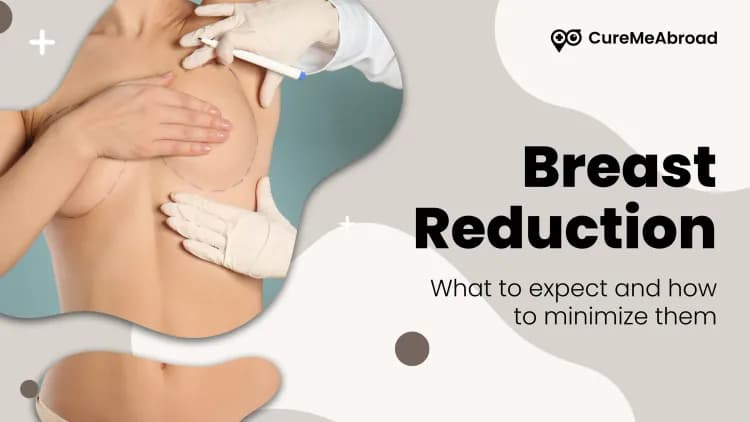
Breast reduction surgery offers significant relief from the physical and emotional burdens of overly large breasts, improving comfort, posture, and self-confidence. However, one natural and permanent outcome of this surgery is the presence of breast reduction scars. Understanding what to expect from these scars, their appearance, healing timeline, and how to care for them helps patients set realistic expectations and take steps to minimize their visibility.
What Are Breast Reduction Scars?
Breast reduction scars are the marks left behind as your body heals from incisions made during the surgery. These scars form because the surgeon removes excess breast tissue, fat, and skin, and the skin is carefully sewn back together. Scar tissue develops as part of the natural healing process to close the wound.
The scars can vary widely in size, shape, and color depending on the surgical technique used, your body’s healing ability, and genetic factors. Initially, scars are often raised and red or pink, but over time they usually fade and flatten, blending more with your natural skin tone. However, scars are permanent and will never completely disappear.
Common Types of Breast Reduction Scars
The location and pattern of breast reduction scars depend on the incision technique used by your surgeon, which is selected based on factors like breast size, shape, and desired reduction.
- Anchor scar (Inverted T): The most common and extensive scar pattern. It consists of three parts the scar around the areola, a vertical scar from the areola to the breast crease, and a horizontal scar along the fold beneath the breast. This allows for significant tissue removal and reshaping but results in more visible scarring.
- Lollipop scar (Vertical scar): This involves an incision around the areola and a vertical line down to the breast crease, but no horizontal scar along the fold. This technique is often used for moderate breast reductions and results in less scarring.
- Periareolar or Donut scar: This technique makes only a circular incision around the edge of the areola, leading to minimal scarring. It’s suitable for smaller reductions or breast lifts.
- Liposuction-only breast reduction: Here, small puncture scars are made where a cannula is inserted to remove fat. These scars are minimal and often hidden under the arms or in natural creases.
Your surgeon will discuss the best option to minimize visible scarring while delivering optimal results.
Healing Timeline: What to Expect
Understanding the healing timeline helps you monitor progress and know when scars will change in appearance. Generally, breast reduction scars follow this path:
- First 2–3 weeks: The surgical incisions close, but scars appear very red, raised, and swollen. This is the body's inflammatory response and a sign of active healing. Tenderness and itchiness are common.
- 1 to 3 months: Scars may still be quite red or dark and sometimes feel tight. Swelling continues to reduce, and scars begin to flatten.
- 3 to 6 months: Scars start to become paler and less raised. The redness diminishes, and scars soften.
- 6 to 12 months: Scars continue fading and often become faint, thin lines blending with the surrounding skin. Most scars mature by the one-year mark, though subtle changes can continue beyond that.
Genetic factors, skin type, and how well you care for your wounds affect the speed and quality of healing. Some people naturally heal with thicker or darker scars known as hypertrophic scars or keloids, particularly in darker skin tones.
How to Minimize Breast Reduction Scars
While scars cannot be completely avoided, there are evidence-based strategies to reduce their visibility and promote better healing:
Follow Your Surgeon’s Aftercare Instructions
Strict adherence to post-op care instructions is essential to avoid complications like infection or excessive scar formation. Keep the area clean, dry, and avoid strenuous activity that could stress the incisions.
Use Silicone Gel Sheets or Silicone-Based Scar Creams
Silicone products are effective in maintaining skin hydration and reducing scar redness, itching, and thickness. These should be applied once wounds have fully closed, often a few weeks after surgery.
Protect Scars From Sun Exposure
Sunlight can darken scars and cause permanent hyperpigmentation. Use a broad-spectrum sunscreen or cover scars with clothing when outdoors for at least 6 to 12 months after surgery.
Gentle Scar Massage
Massage can help improve circulation, break down excess scar tissue, and maintain skin flexibility. Your surgeon or physical therapist can guide you on proper techniques and timing.
Avoid Smoking and Maintain Good Nutrition
Smoking impairs blood flow and delays healing. Eating a balanced diet rich in vitamins C and E, zinc, and protein supports wound repair and skin health.
Advanced Treatments for Persistent Scars
For scars that remain raised, itchy, or dark after healing, treatments like laser therapy, steroid injections, or microneedling can be effective. These should only be done under the guidance of a qualified specialist.
Emotional Impact of Breast Reduction Scars
It’s normal to feel self-conscious or anxious about the appearance of breast reduction scars, especially in the early healing stages. Remember, scars symbolize your body’s healing journey and the relief and confidence gained from surgery often far outweigh concerns about scarring.
Talking openly with your surgeon about your concerns and attending follow-ups helps set realistic expectations and develop management plans. Support groups and counseling can also be valuable resources to manage anxiety or body image issues during recovery.
When to Consult Your Surgeon
Contact your surgeon if you observe:
- Excessively raised, thick, or itchy scars that worsen over time.
- Signs of infection such as redness, warmth, swelling, or discharge.
- Scars that are painful beyond initial healing or cause functional issues.
Early intervention improves outcomes, and your healthcare team can guide you to the best treatment options for your scars.
Final Thoughts
Breast reduction scars are an inevitable part of surgery, but they do not have to define your experience or final results. By understanding the types of scars, what to expect as they heal, and proven ways to minimize their appearance, patients can face recovery with confidence. Most scars fade significantly over time, making the physical and emotional benefits of breast reduction surgery well worth the trade-off.
With careful care, patience, and good communication with your surgical team, you can achieve a smooth, beautiful healing outcome that supports your new silhouette and wellbeing.