

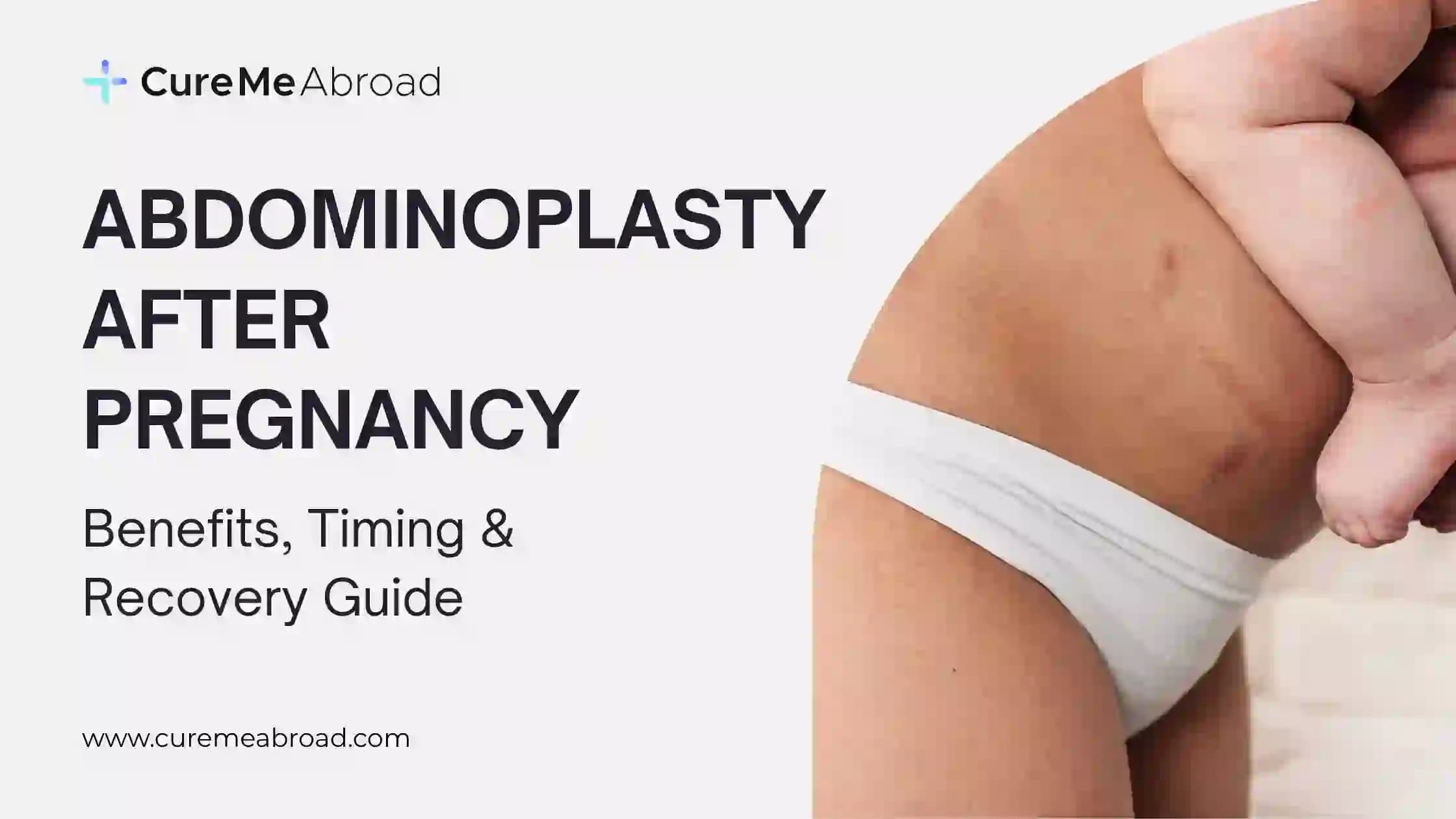
Pregnancy is considered the most beautiful period in a woman’s life. But the changes that this period makes to her body are not completely reversible. Makeover surgeries like Abdominoplasty or tummy tuck after pregnancy are gaining attention among young women to reshape their bodies to regain the pre-pregnancy shape. There has been an increase in the number of women who sought surgical correction, especially abdominoplasty after pregnancy, along with breast correction, in the past 5 years. It is very common during postpartum to have increased fat deposits and loose or stretched skin in the abdominal area. Abdominoplasty after pregnancy can offer new moms a lot of benefits to regain their body shape and self-confidence.
Abdominoplasty
Abdominoplasty is a Refining or reshaping surgery for cosmetic enhancement of the belly area. This aims at reducing the fat and loose skin, along with tightening the weak muscles of the belly, without losing the naturalness. This is the 6th most performed surgery according to the cosmetic surgery data from the US in the past 13 years.
Advantages of Abdominoplasty After Pregnancy
Pregnancy is a time of tremendous change in a woman's life and in the female body. The very visible changes during the fetus's growth are the result of complex hormonal and anatomical adjustments. In order to support the growth of the baby, the human body is undergoing tremendous changes, especially in the abdominal area.
The changes are accompanied by equally significant anatomical and functional changes to the underlying muscles. As a result of this, immediately after the delivery, the abdominal skin becomes saggy, bulged with wrinkles and stretch marks. DRA or diastasis recti abdominis (a condition in which the abdominal muscles get separated, which affects up to 60% of women after delivery) plays a major role in developing these. This leads to severe issues like involuntary urine leakage, back pain, etc. In addition to this, the pregnant-like appearance will remain permanent.
These changes can’t be reduced or reversed beyond a certain point by diet or exercise. Eventually, these post-delivery changes can lead to a lack of self-confidence, struggling to feel normal and many other psychological stresses. For most women, this is not just about aesthetics; it is their psychological well-being, feeling of ease and confidence, too.
Here comes the role of cosmetic surgeries like tummy tuck or Abdominoplasty after pregnancy. A comparison of different popular methods adopted for tummy reduction is listed in Table 1.
Advantages:
This procedure is not only designed for excess fat or skin reduction, but is also a medically approved technique to strengthen and stabilise the muscles of the abdomen. It is proven to reduce poor bladder control and back pain, which commonly occur after delivery.
Due to these advantages, the number of women opting for this surgery is comparatively higher to manage the postpartum body changes. A mommy makeover is mostly performed as a combination of tummy tuck after pregnancy and breast surgery. This has become a trend focusing on fitness and a perfect body. But it is always important to understand that one’s expectations about the body's appearance may not always align with the result.
When is the Best Time to do this? What are the Factors to Consider?
Always plan for abdominoplasty after pregnancy once your family planning is completed. Because the surgical results can be affected by another pregnancy. Also, it is better not to do it too soon after pregnancy. Give time for your body to heal. A minimum of 6 months -12 months gap should be there for the procedure after the delivery. Always do this once breastfeeding is completely stopped. A better and proper long-lasting and healing result primarily depends on your health condition.
Factors you should know before the surgery
Abdominoplasty after pregnancy can offer a wide range of benefits for a woman, but knowing the risks before proceeding is equally important. There are chances that your wound may heal slowly, chances of infection are there, and this can affect the final result. Patients' habits such as smoking, poor nutrition, diabetes, etc., can worsen this. Patients are thus advised to maintain a healthy diet and quit habits like smoking at least 6 weeks before the procedure and maintain any medical complications, if any.
Some cases also reported loss of sensation or numbness in the area of the surgery, seroma (accumulation of fluid), bleeding, protruded abdomen, and, in the worst case, hernia.
Factors such as being overweight or having high BMI, age above 40, and some hormonal therapies are also found to increase the risks of this procedure.
You may be instructed to reduce body movements for at least a week after the surgery. Make sure you have a good support system in the family who has a clear understanding of your mental state and physical limitations during the recovery period.
Preparing for abdominoplasty after pregnancy
Preparation for a tummy tuck after pregnancy begins with a comprehensive medical examination, during which your surgeon evaluates your overall health, medical history, and aesthetic goals. Routine laboratory tests are conducted to ensure your suitability for the surgery. Lifestyle adjustments are essential; patients are advised to quit smoking if opting for abdominoplasty after pregnancy and to avoid certain medications that may increase the risk of bleeding. Planning for the recovery process is equally crucial. Thorough physical and functional preparation can significantly enhance the recovery process.
Duration
Tummy tuck surgery is typically performed under general anaesthesia and generally takes 2 to 4 hours to complete. This duration depends on the extent of correction required and whether the surgery is being performed in conjunction with other procedures. This varies from individual to individual.
What to Expect?
During abdominoplasty surgery, the muscles beneath the abdomen are tightened to correct any separation, while excess skin and fat are removed to give the abdomen a smoother and firmer contour. Subsequently, the remaining skin is redraped, and the navel may be reshaped to achieve a more natural appearance. In some cases, temporary drains (tubes) are inserted during the initial recovery phase to remove excess fluid and facilitate proper wound healing.
Due to the possibility of swelling, the outcome may not be fully evident immediately after the surgery. After some weeks and months, the results become visible only when a proper healing process occurs. The longevity of these results depends largely on maintaining a stable weight and a healthy lifestyle, as significant weight fluctuations or future pregnancies can impact the outcome.
Recovery Period
Like any other cosmetic surgery, the patient recovers gradually after the abdominoplasty, with significant improvements observed at every stage. Till the end of the first week, patients are reported to experience swelling, discomfort, and limited mobility after undergoing abdominoplasty. For daily basic needs, they need assistance.
Within two to four weeks, the swelling begins to subside, and patients gradually resume light activities, though care must still be taken to avoid hard work. By four to six weeks, most routine activities can be resumed; however, lifting heavy objects and engaging in vigorous exercise should still be avoided.
Approximately two to three months after surgery, as the swelling continues to diminish, comfort levels rise, mobility improves, and the results become more visible and refined, marking the near completion of the patient's recovery process.
Post Surgery Care
For a smooth recovery, proper care for abdominoplasty after pregnancy is very important. In order to reduce the swelling and to give proper support to the abdomen, it is suggested to use medical compression garments. Appropriate wound care is essential to prevent infection and promote the healthy healing of the incision sites.
To protect the repaired muscles and tissues, strenuous activities and heavy lifting should be avoided during the initial recovery period. Staying well-hydrated and maintaining a balanced, nutritious diet will further aid the recovery process. In order to ensure safe healing, minimise complications, and best results, strictly adhering to the surgeon's instructions is important.
Post Surgery Care Table
| Approach | Method of action | Ideal for | Drawbacks |
|---|---|---|---|
| Food or exercise | Reduce overall body fat | Weight control and general fitness | Correction of muscle separation or tightening the skin can’t be achieved |
| Non-surgical treatment using radio frequency | Helps to tighten the skin | Can solve mild skin loosening problems | Limited result. Do not help in regaining the elasticity of skin or muscle separation |
| Liposuction | Localised fat deposition removal | Suitable for individuals with stubborn fat | Do not help in regaining the elasticity of skin or muscle separation |
| Abdominoplasty | Excess skin can be removed. Tighten muscles and correct the body shape | Best suited for loose skin, muscle separation, and post-pregnancy abdominal changes | Recovery time is required after surgery. |
Cost of the Surgery
The cost of this surgery depends on several factors, such as the location where you are doing this, the experience of your surgeon, the hospital, the materials they are using, the cost of anaesthesia and even the post-operative care. With an experienced surgeon and better facilities, the cost can increase. But never take a decision solely on the cost of the surgery. Mostly, the cost of abdominoplasty after pregnancy is not covered under insurance.
Conclusion
In conclusion, while abdominoplasty after pregnancy is generally safe when performed on carefully selected patients, it necessitates a thorough consideration of both medical and personal factors. To make an informed and confident decision, it is essential to engage in a detailed discussion with the surgical team regarding the associated risks, expectations, and the recovery process. It may not be this surgery that is the last option for your condition.
Visit CureMeAbroad to read more about abdominoplasty, different procedures, the cost and more details.
FAQs
I am a breastfeeding mother. Would you recommend this to me?
Abdominoplasty is generally not recommended while you are breastfeeding. Your body is still in the process of healing and undergoing hormonal changes. Wait till you completely stop breastfeeding and the hormones are in their normal, balanced state.
What are the chances of having visible scars after the surgery?
It is a normal part of this procedure, usually after your bikini line. Gradually, with 6-12 months of healing time, this will fade. Always proper pot care is recommended.
Many patients feel that the improvement in their body contour is far more significant than the presence of the scars.
Can I expect a beautiful fat belly after the surgery?
Yes, you can expect a flat and firmer belly after the surgery. But this always depends on your body type, skin, technique used in the surgery, and also the quality of life you're leading after the surgery.
How can I choose the right place or surgeon?
Choosing the correct place and surgeon is very crucial in this.
Look for the following:
· A Board-certified plastic surgeon
· A genuine review of the patients, with before and after results.
· Experience with post-pregnancy body contouring procedures
· A well-equipped, accredited hospital or clinic
· Always avoided deciding based on the cost
Reference
Winocour, J., Gupta, V., Ramirez, J. R., Shack, R. B., Grotting, J. C., & Higdon, K. K. (2015). Abdominoplasty: risk factors, complication rates, and safety of combined procedures. Plastic and reconstructive surgery, 136(5), 597e-606e. https://journals.lww.com/plasreconsurg/abstract/2015/11000/abdominoplasty__risk_factors,_complication_rates,.9.aspx
Toto, V., Scarabosio, A., Alessandri-Bonetti, M., Albanese, R., & Persichetti, P. (2023). Combined surgery (mommy-makeover) compared to single procedure (abdominoplasty) in after-pregnancy women: a prospective study on risks and benefits. Aesthetic Plastic Surgery, 47(6), 2533-2542. https://link.springer.com/article/10.1007/s00266-023-03579-6
Mughal, M., & Ross, D. (2021). Management of the post-pregnancy abdomen: the plastic surgical perspective. Hernia, 25(4), 929-938. https://link.springer.com/article/10.1007/s10029-021-02478-6
Whitaker, I. S., Swarnkar, P., Ali, S. R., Thomson, E., Nugent, N., & Pacifico, M. D. (2025). The functional & psychological benefits of post-partum restoration surgery: A systematic review. Journal of Plastic, Reconstructive & Aesthetic Surgery. https://www.sciencedirect.com/science/article/abs/pii/S1748681525007338