Tummy Tuck Before And After
Restoring a firm, flat midsection after pregnancy or weight loss often requires more than diet and exercise alone. A tummy tuck removes excess skin and repairs separated muscles to redefine the waistline. The best way to visualize this transformation and set realistic expectations is by reviewing tummy tuck before and after photos.
$3,000–$7,000
$4,500–$10,500
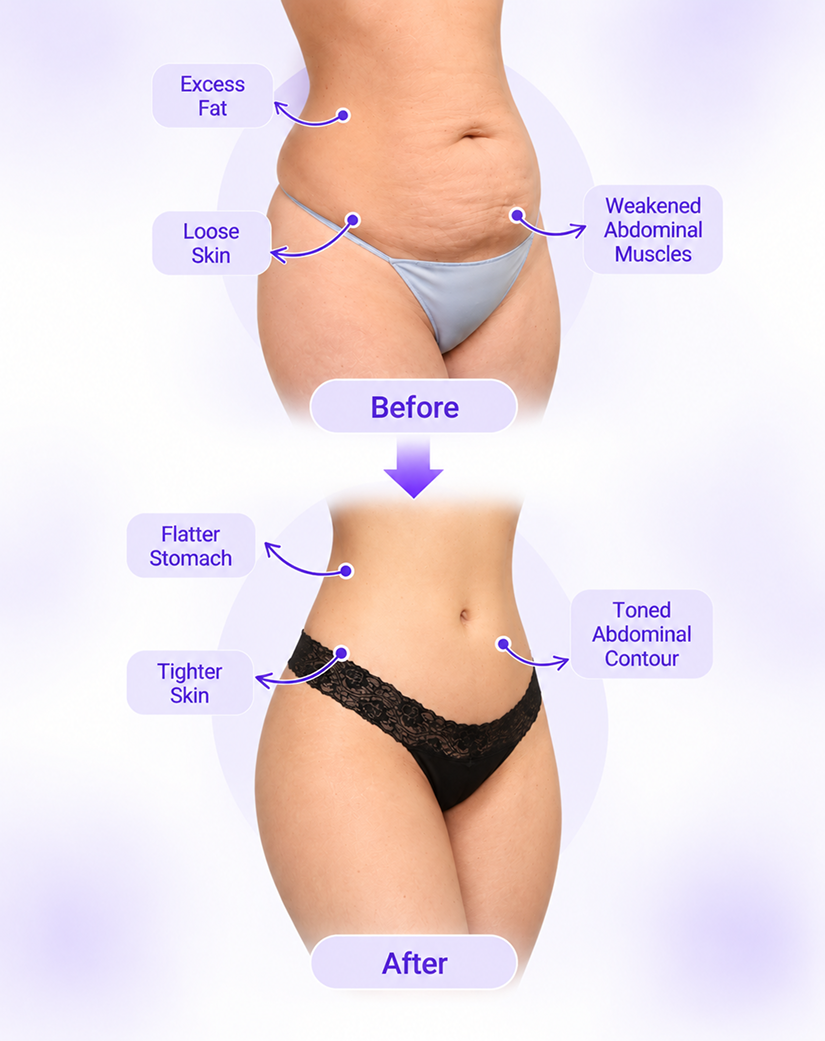





World's Best Before And After Results for Tummy Tuck
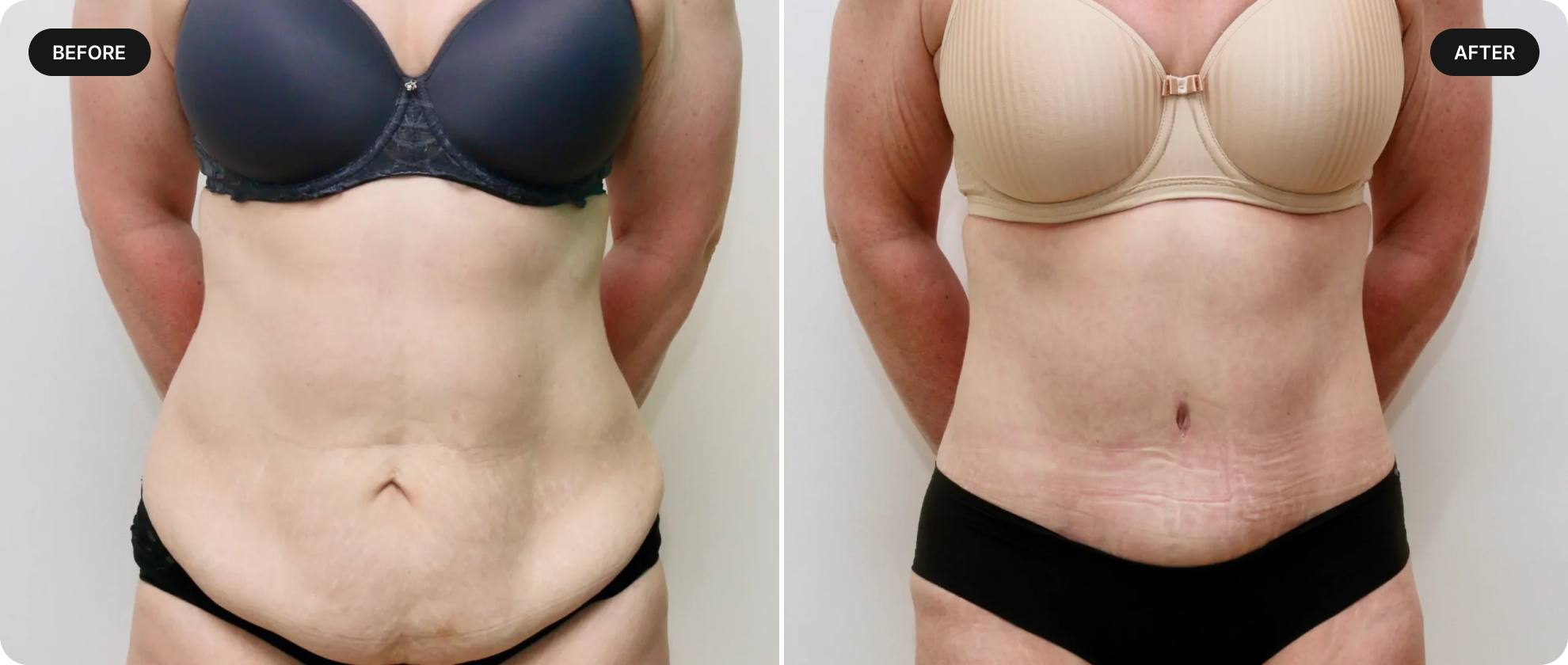
Tummy tuck with muscle repair · Surgeon 01 · Partner hospital 02, Bangkok
“I wanted the muscle separation dealt with. The flat stomach was the second thing, not the first.”
How To Read A Before And After Photograph
Most galleries are built to impress. This one is built to be checked. Apply these five tests here, and to every other gallery you look at.
Same distance, same light
If the lens, the lighting or the background changes between the two frames, you are looking at photography, not evidence.
Same posture
Look for the same stance, the same arm position, the same weight distribution. A shifted hip can do more than surgery.
Check the interval
Swelling can flatter a result at six weeks that looks different at twelve months. We publish nothing under twelve months for this reason.
Match the starting point, not the outcome
Skin quality, muscle separation and where fat sits decide what is possible. Find the case that started where you are.
Look for the scar
A tummy tuck trades skin for a scar. A gallery that crops the scar out is showing you half the result.
What Drives A Tummy Tuck Result
The result depends on more than just removing skin. Your skin elasticity, the amount of internal fat, the separation of your muscles and your overall anatomy all play a role. Knowing what can affect your tummy tuck results can help you ask the right questions and set realistic expectations.
Where the abdominal fat is distributed
The location of your fat matters. A tummy tuck removes subcutaneous fat (under the skin). If you have significant visceral fat (around the organs deep inside), your stomach may still protrude slightly despite the surgery.
At Consultation
Ask: Do I have visceral fat that might limit how flat my abdomen can look after surgery?
How well your skin can tighten
A tummy tuck removes loose skin, but the remaining skin must drape smoothly. Poor skin elasticity can lead to wrinkling or loose skin above the pubic area, while good elasticity helps the skin adhere to the new muscle contour.
At Consultation
Ask: Given my skin quality, will I need a floating incision or a standard incision to get the best result?
Your surgeon’s experience with body contouring
Tummy tucks involve complex muscle tightening (plication) and skin removal. Look for a surgeon who specializes in body contouring and has experience creating a natural-looking belly button and a low, flat scar.
At Consultation
Ask: Can you show me tummy tuck before and after photos from patients who have had pregnancies or massive weight loss?
The liposuction technique used
Surgeons often combine tummy tucks with liposuction to contour the flanks and hips. The technique used to harvest fat and close the incision can affect the final shape and the smoothness of the transition between the abdomen and waist.
At Consultation
Ask: Will you be using liposuction on my flanks or hips to improve my waistline definition?
When Tummy Tuck Doesn't Go As Hoped
Most people recover well after a tummy tuck, though the final result may not always come out as desired. Some unwanted changes will improve as swelling settles, while others can persist and affect the overall aesthetic. Knowing what these outcomes can look like can help you recognize concerns during recovery and seek guidance when needed.
Seroma or Hematoma
Fluid collections (seroma) or blood collections (hematoma) can build up under the skin after surgery. These are common in tummy tucks and can cause swelling, discomfort and may need to be drained by a surgeon.
Dog Ears
This refers to small pockets of skin or bulges that form at one or both ends of the incision, usually near the hips. They occur when the skin closure is not perfectly even or if excess skin remains at the edges.
Prominent Scarring
While surgeons place scars low, poor healing or genetics can lead to hypertrophic (raised) or keloid scars. Incisions that are placed too high may also be visible outside of underwear or swimwear.
Infection or Wound Separation
Areas of the incision, particularly in the central "T" zone (if a vertical incision is used) or where tension is highest, may open slightly or become infected. This requires wound care and can delay healing.
Unnatural Belly Button
If too much skin is removed or if the belly button is not anchored correctly, it can look too large, too oval, or appear like a slit. In some cases, it may be positioned too low or hidden within the scar.
Numbness or Changed Sensation
Numbness in the lower abdomen and around the incision is very common. While some sensation usually returns, permanent numbness or tingling in the area above the pubic region is a possibility.
Asymmetry
One side of the abdomen may appear flatter or higher than the other, or the waistline may look uneven. Small asymmetries are common, but noticeable differences can affect the aesthetic result.
Residual Bulging
If the abdominal muscles were not tightened sufficiently (muscle plication) or if visceral fat remains, the lower abdomen may still protrude despite the skin removal, leading to dissatisfaction with the flatness.
Tummy Tuck Complication Timeline
Most tummy tuck complications happen during the early recovery period. Swelling, bruising and fluid accumulation can take longer to settle than in other procedures. The exact timing varies based on your procedure and how your body heals.
When the risk is highest
CureMeAbroadIs Absolutely Free
Just discovery so you can choose what's right for you!


World's No. 1 Medical Discovery Platform
What a good result asks of you
A good tummy tuck result can rely on more than the surgery itself; your preparation, strict adherence to recovery restrictions and long-term scar care also matter. Follow your surgeon's advice to protect the incision and allow the internal tissues to heal properly.
Before
Stabilize Your Weight
Try to be at a stable, healthy weight for several months before surgery. Significant weight fluctuations after the procedure can cause the skin to loosen again or affect the contour of the abdomen.
Stop Smoking
Smoking restricts blood flow to the skin, significantly increasing the risk of infection, wound separation, poor wound healing and prominent scarring. Quit smoking well in advance of surgery.
Arrange Recovery Space
Set up a comfortable recovery area with pillows to support your upper body (lazy boy style). You will be sleeping in a reclined position to reduce tension on your incision.
During
Follow Compression Garment Advice
Your surgeon will fit you for a compression garment or abdominal binder immediately after surgery. This is crucial to minimize swelling, support muscle repair and prevent fluid buildup (seroma).
After
Wear Your Compression Garment
Wear your compression garment continuously (except when showering) for the recommended time, usually 6 to 8 weeks. It helps the skin retract and reduces the risk of seroma.
Support Your Incision When Moving
Use your hands or a small pillow to apply pressure over your incision when coughing, sneezing or moving from lying down to sitting up. This reduces pain and protects the wound.
Avoid Straining the Core
Avoid heavy lifting, strenuous exercise and abdominal crunches for 8 to 12 weeks. Straining the abdominal muscles too early can separate the muscle repair (plication) or cause a hernia.
Scar Care
Once the incision is fully healed, use silicone gel or sheets and massage the scar as advised. This helps flatten and fade the long hip-to-hip scar over time.