Eyelid Surgery Before And After
Drooping eyelids and under-eye bags can make you look tired or older than you feel. Eyelid surgery, or blepharoplasty, can remove excess skin and fat from the upper or lower eyelids to create a smoother, more refreshed appearance. Before choosing eyelid surgery, explore our eyelid surgery before and after gallery to see real examples of potential results.
$1,500–$3,500
$2,500–$5,500
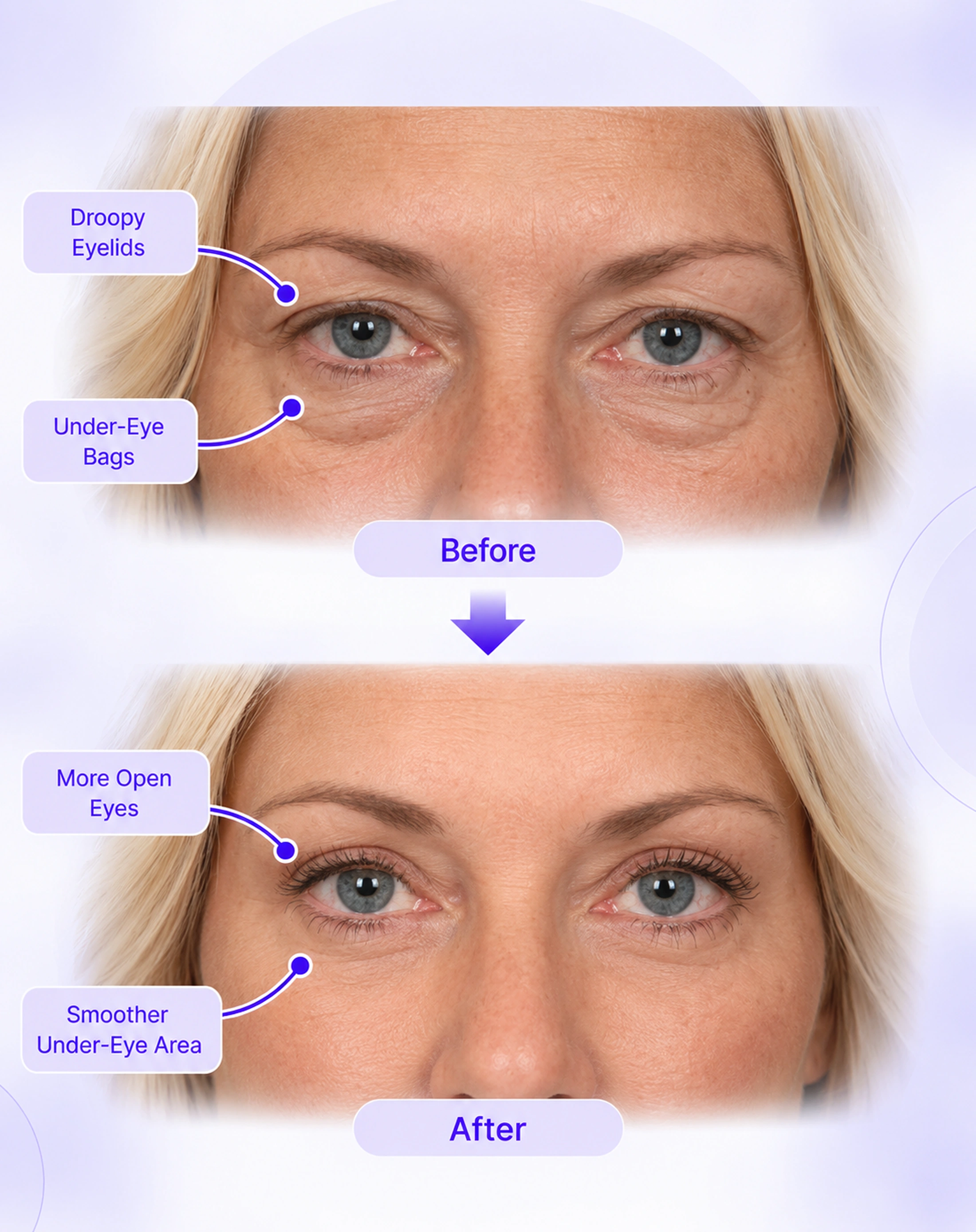





World's Best Before And After Results for Eyelid Surgery
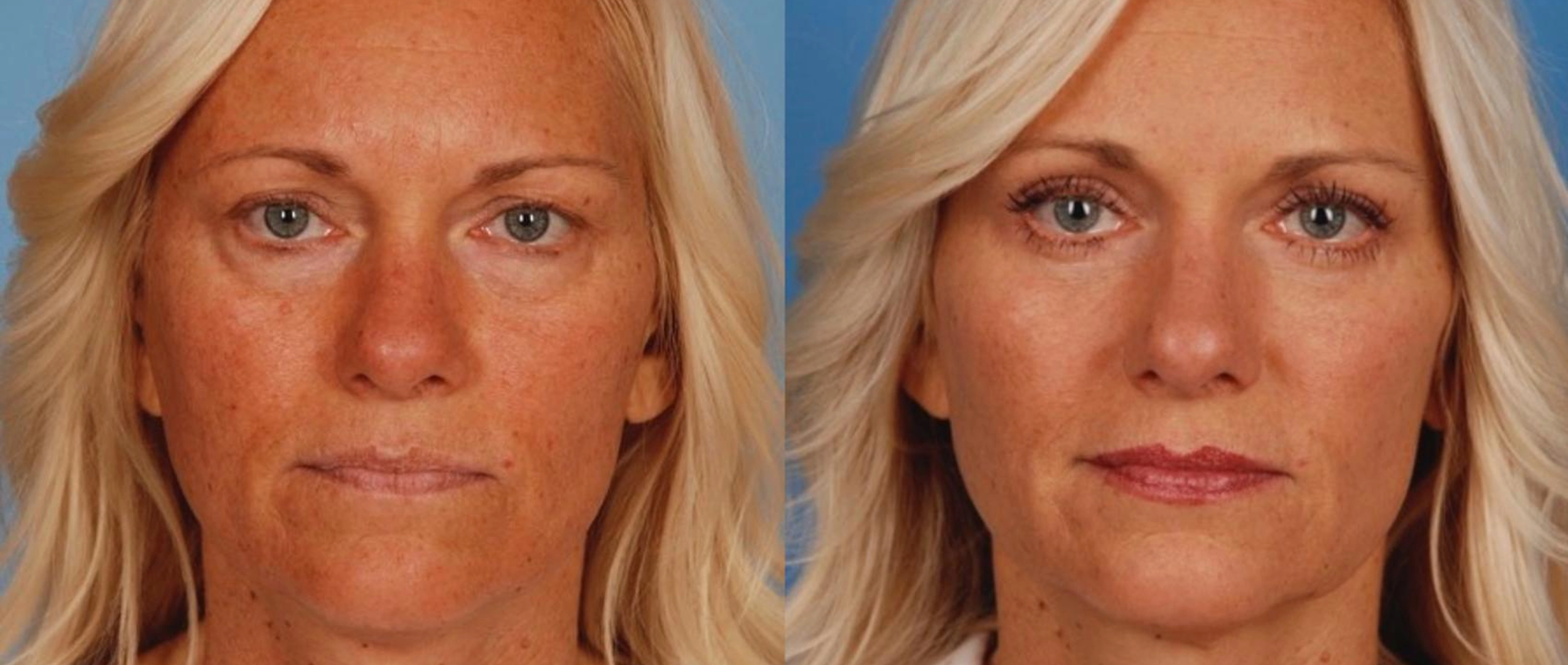
Eyelid surgery · Surgeon 02 · Partner hospital 05, Bangkok
“I always looked tired in photos, even when I felt completely fine. The skin around my eyes had started to droop, and I wanted a subtle change that would make me look more refreshed without changing my face.”
How To Read A Before And After Photograph
Most galleries are built to impress. This one is built to be checked. Apply these five tests here, and to every other gallery you look at.
Same distance, same light
If the lens, the lighting or the background changes between the two frames, you are looking at photography, not evidence.
Same posture
Look for the same stance, the same arm position, the same weight distribution. A shifted hip can do more than surgery.
Check the interval
Swelling can flatter a result at six weeks that looks different at twelve months. We publish nothing under twelve months for this reason.
Match the starting point, not the outcome
Skin quality, muscle separation and where fat sits decide what is possible. Find the case that started where you are.
Look for the scar
A tummy tuck trades skin for a scar. A gallery that crops the scar out is showing you half the result.
What Drives A Result
The result depends on more than just removing skin. Your bone structure, the position of your eyebrows and the quality of your skin all play a role. Knowing what affects your eyelid surgery results can help you ask the right questions and set realistic expectations.
Where The Fat Is Distributed
The amount and location of fat around your eyes determine the final contour. Some people have fullness under the eyes (bags), while others have a hollow look that requires fat transfer rather than removal.
At Consultation
Ask: Do I need fat removed from my eyelids, or would I benefit from fat repositioning to fill hollows?
How Well Your Skin Heals
Eyelid skin is the thinnest of the body's and heals well, but scarring can vary. Factors such as genetics, age and sun exposure can influence how visible your incision lines are over time.
At Consultation
Ask: Given my skin type, how visible will my scars be and where exactly will the incisions be placed?
Your Surgeon’s Experience With Eyelid Surgery
Eyelid surgery requires precision because removing too much tissue can interfere with eye closure or shape. Look for a surgeon who specializes in oculoplastic or facial plastic surgery.
At Consultation
Ask: How many eyelid surgeries do you perform per year, and can you show me photos of patients with a similar eye shape to mine?
The Surgical Technique Used
Different techniques (transconjunctival vs. external incision) are used depending on whether skin, muscle or fat need to be addressed. Your surgeon should explain which method is suitable for your anatomy.
At Consultation
Ask: Will my surgery require an external incision, and will you be treating the muscle as well as the fat and skin?
The Position Of Your Brows
Drooping eyebrows can cause upper lid heaviness. If the brows are low, removing eyelid skin alone may not solve it and could even lower the brows further.
At Consultation
Ask: Do I need a brow lift in addition to eyelid surgery to achieve the look I want?
When Eyelid Surgery Doesn't Go As Hoped
Most people recover well after eyelid surgery, although the final result may not end up as expected. Some unwanted changes improve as swelling heals, while others can persist for a long time or interfere with the functionality of the eye. Knowing what these outcomes look like can help you recognize concerns during recovery and seek advice when needed.
Asymmetry
It is normal for eyes to heal at slightly different speeds. However, noticeable differences in the eyelid crease height or the amount of skin showing can occur if the tissue was removed unevenly.
Hollowed Eyes
Removing too much fat from the upper or lower lids can leave you with a hollow, sunken appearance. This can make you look tired or old rather than refreshed and is difficult to correct.
Ptosis (Drooping Eyelid)
If the muscle responsible for lifting the eyelid is weakened or damaged during surgery, the upper eyelid can droop. This can impair vision and give a sleepy appearance.
Ectropion (Pulling Down of Lower Lid)
Removing too much skin from the lower eyelid can cause the lid to pull downwards and turn outward. This can cause the white of the eye to show below the iris and irritation.
Visible Scarring
While incisions are usually hidden, poor healing or excessive tension on the wound can lead to visible, raised or red scars on the eyelids.
Dry Eyes
Eyelid surgery can temporarily reduce tear production or affect tear distribution. In some cases, especially if the eyes cannot easily close, this can be a chronic dryness and irritation.
Difficulty Closing Eyes
If too much skin is removed from the upper lids, you can be unable to close your eyes completely. This is a serious complication that requires immediate medical attention to protect the cornea.
Revision Surgery
Some results may require another procedure to correct asymmetry, adjust the crease or address scarring. Revision surgery is often more complex due to scar tissue and the fact that less skin is available to work with.
Eyelid Surgery Complication Timeline
Most eyelid surgery complications happen during the early recovery period. Swelling, bruising and sensitivity to light take longer to settle. The exact timing depends on your procedure and how quickly your body heals.
When the risk is highest
CureMeAbroadIs Absolutely Free
Just discovery so you can choose what's right for you!


World's No. 1 Medical Discovery Platform
What Helps You Get A Good Eyelid Surgery Result
A good eyelid surgery result depends on more than just the surgery. Your preparation, adherence and patience during healing also play a role. Follow your surgeon's instructions closely to protect your eyes and the best aesthetic outcome.
Before
Be Honest About Your Eye Health
Tell your surgeon about dry eye syndrome, glaucoma or a history of thyroid issues. These can affect your healing and surgery safety.
Stop Smoking And Blood Thinners
Smoking delays healing, and blood thinners increase the risk of bleeding and bruising. Stop these well ahead of your surgery date as advised.
Arrange For Help
You may not be able to drive or see clearly immediately after surgery. Arrange for someone to drive you home and help you with eye drops and medications for the first few days.
During
Follow Anesthesia Instructions
Whether you have local or general anesthesia, follow fasting and medication instructions strictly to ensure the procedure goes smoothly.
After
Use Cool Compresses
Apply cool compresses gently to reduce swelling and bruising. Do not apply pressure directly to the eye, use a clean cloth or gel pack recommended by your surgeon.
Keep Your Head Elevated
Sleep with your head raised on extra pillows for the first week. This helps reduce swelling and speeds the recovery process.
Avoid Eye Strain
Avoid reading, screens or contact lenses for as long as your surgeon recommends. Allow your eyes to rest to promote healing.
Wear Sunglasses
Protect your healing eyes from the sun and wind by wearing dark sunglasses. This also helps hide bruising when you're out in public.
Use Lubricating Eye Drops
Use artificial tears as prescribed to prevent dryness and keep your eyes comfortable, especially if your eyelids feel slightly tight after surgery.