Abdominoplasty Before And After
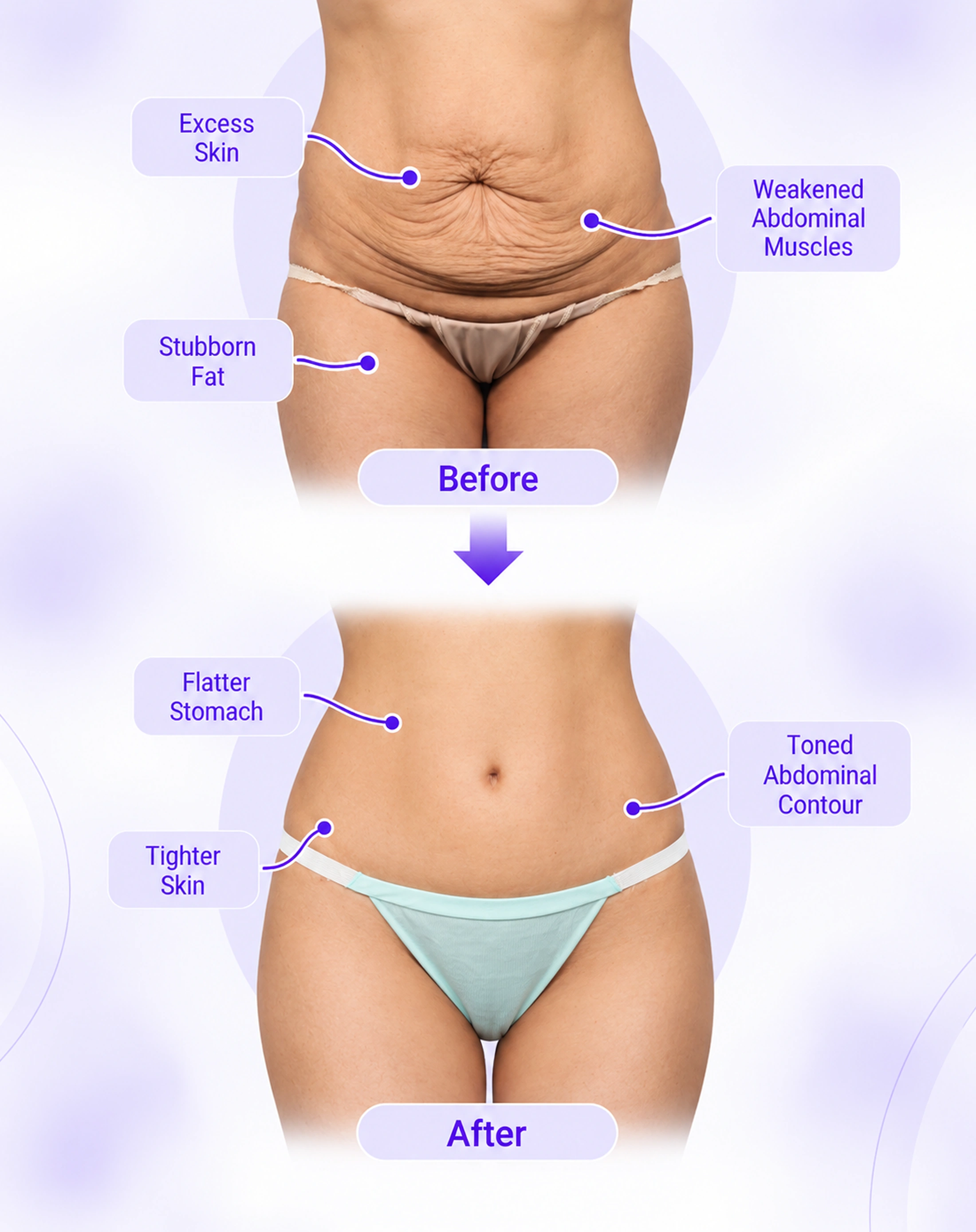
Having a flat, firmer stomach after childbirth or significant weight loss is a goal for many people, but diet and exercise cannot always address loose skin or separated abdominal muscles. Abdominoplasty can help reshape the abdomen by removing excess skin and tightening the abdominal area. If you are considering the procedure, looking at abdominoplasty before and after photos can help you understand the potential results and set realistic expectations.
$3,000–$6,000
$4,500–$9,000




World's Best Before And After Results for Abdominoplasty
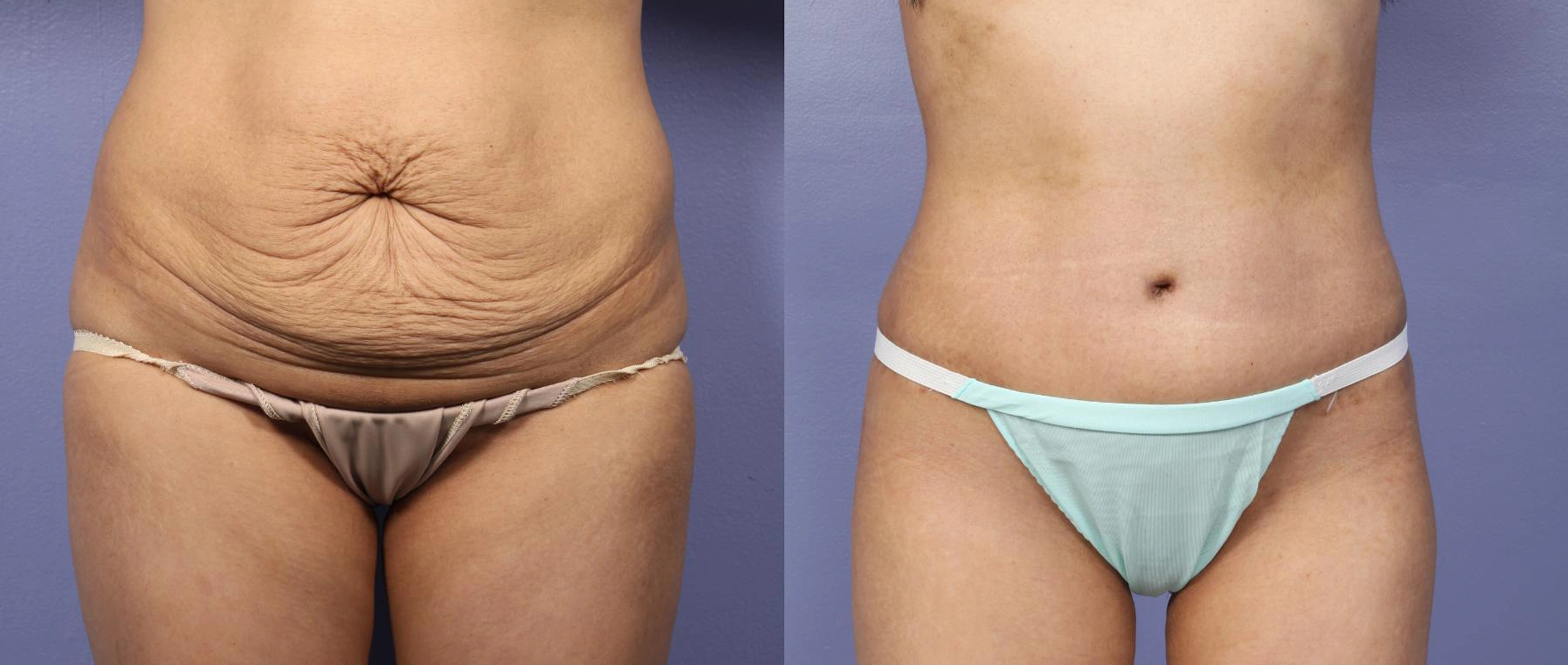
Abdominoplasty · Surgeon 01 · Partner hospital 03, Bangkok
“After years of struggling with loose abdominal skin, I wanted a procedure that could give me a firmer, more defined stomach. The before and after results helped me see what was realistically possible.”
How To Read A Before And After Photograph
Most galleries are built to impress. This one is built to be checked. Apply these five tests here, and to every other gallery you look at.
Same distance, same light
If the lens, the lighting or the background changes between the two frames, you are looking at photography, not evidence.
Same posture
Look for the same stance, the same arm position, the same weight distribution. A shifted hip can do more than surgery.
Check the interval
Swelling can flatter a result at six weeks that looks different at twelve months. We publish nothing under twelve months for this reason.
Match the starting point, not the outcome
Skin quality, muscle separation and where fat sits decide what is possible. Find the case that started where you are.
Look for the scar
A tummy tuck trades skin for a scar. A gallery that crops the scar out is showing you half the result.
What Drives A Result
The result depends on more than just removing skin. Your muscle tone, the amount of excess fat and the quality of your skin elasticity all contribute to your abdominoplasty results. Knowing what can affect your abdominoplasty results can help you ask the right questions and set realistic expectations.
Where The Fat Is Distributed
The amount and location of fat in your abdomen dictates the final contour. Some people have subcutaneous fat (under the skin) which is removed, while others have visceral fat (around the organs) which cannot be treated with a tummy tuck.
At Consultation
Ask: Is my abdominal fat predominantly subcutaneous or visceral, and will liposuction be used in conjunction with the tummy tuck?
How Well Your Skin Can Tighten
The amount of skin that can be removed is dictated by your skin elasticity and laxity. Poor elasticity may lead to looser skin than expected or a longer scar.
At Consultation
Ask: How much skin do you expect to remove, and will I be able to hide the scar within my swimwear or underwear?
Your Surgeon’s Experience With Abdominoplasty
Abdominoplasty involves complex muscle repair and skin redraping. Uneven techniques can lead to visible asymmetry or "dog ears" (excess skin at the ends of the incision).
At Consultation
Ask: How do you manage the muscle repair and prevent fluid collection, and can I see photos of your tummy tuck scars?
The Surgical Technique Used
Different techniques (mini vs. full tummy tuck, or fleur-de-lis) are used depending on the amount of loose skin and fat. Your surgeon should explain which technique is suitable for your anatomy.
At Consultation
Ask: Do I need a full abdominoplasty with muscle repair, or would a mini tummy tuck achieve my goals?
When Abdominoplasty Doesn't Go As Hoped
Most people have a good recovery after abdominoplasty, though the final results rarely turn out exactly as desired. Some unwanted changes improve as the swelling resolves, while others can be longer lasting or revisionary. Knowing what these outcomes look like can help you recognise concerns during recovery and seek advice.
Asymmetry
One side of the abdomen may be different from the other or the belly button is not perfectly centered. Small asymmetries are normal, but noticeable asymmetry can be detrimental to the overall look.
Poor Scarring
While scars are inevitable, raised, wide or hypertrophic (thick) scars can be disappointing. In some cases, the incision may be placed too high to be hidden in clothing.
Dog Ears
These are protrusions of skin and fat at the ends of the incision, usually near the hips. They occur when the skin closure is not perfectly tapered and can bulge out.
Seroma or Hematoma
Fluid collection (seroma) or blood (hematoma) under the skin is a common complication. This can lead to swelling, discomfort and may require drainage with a needle.
Residual Loose Skin
It may not be possible to remove all loose skin safely, especially in the upper abdomen or around the flanks due to tension limits on the incision.
Unattractive Belly Button
The belly button may end up too big, too small, or look like a vertical slit ("stove-pipe") look. In rare cases, the blood supply to the belly button can be compromised.
Infection
Increasing redness, heat, fever or drainage from the incision site can be signs of infection. Contact your medical team if these symptoms appear.
Numbness or Changed Sensation
Permanent numbness in the skin below the belly button is very common due to the nerves being cut during the surgery. Sensation may return partially, but some areas are often permanently numb.
Abdominoplasty Complication Timeline
Most abdominoplasty complications occur during the early post-operative period. Swelling, bruising and fluid accumulation can take longer to resolve. The exact timing depends on your procedure and your healing process.
When the risk is highest
CureMeAbroadIs Absolutely Free
Just discovery so you can choose what's right for you!


World's No. 1 Medical Discovery Platform
What Helps You Get A Good Abdominoplasty Result
A good abdominoplasty result is not just dependent on the surgery itself. Your preparation, strict adherence to post-op care and patience with the healing process are also important. Follow your surgeon's advice to ensure your incision heals and your new contour becomes apparent.
Before
Reach A Stable Weight
Try to reach a stable, healthy weight before surgery. You do not want to lose or gain a great amount of weight after the procedure, as this can cause your skin to loosen again or your contours to change.
Stop Smoking
Smoking restricts blood flow to the skin and significantly increases the risk of wound healing problems and infection. You must stop smoking weeks before and after surgery.
Arrange Recovery Space
Set up a recovery space with pillows to support your knees (to take tension out of your abdominal incision) and have essentials within reach to avoid bending or straining.
During
Wear Your Compression Garment
You will likely be wearing a compression garment right away after surgery. This helps to control swelling, support the muscles and reduce the risk of seroma.
Management Of Drains
If drains are used, make sure you (or a caregiver) understand how to empty and take care of them until they are removed by your surgeon.
After
Wear Your Compression Garment As Advised
Wear your compression garment as advised by your surgeon. It helps your skin retract to the new contours and minimizes any fluid buildup.
Walk from day one, bent at the hip
Short, frequent, slightly stooped. This is clot prevention and it is not optional.
Maintain A Hunched Posture
Initially, you may need to walk slightly bent over at the waist to avoid tension on your incision. Straighten up as your surgeon advises.
Watch for Infection Signs
Monitor your incision for any signs of infection (infection). Keep your incision clean and dry, and follow all wound care instructions.
Avoid Heavy Lifting
Do not lift anything heavier than a gallon of milk for a few weeks. Straining can separate the muscle repair or cause a hernia.