




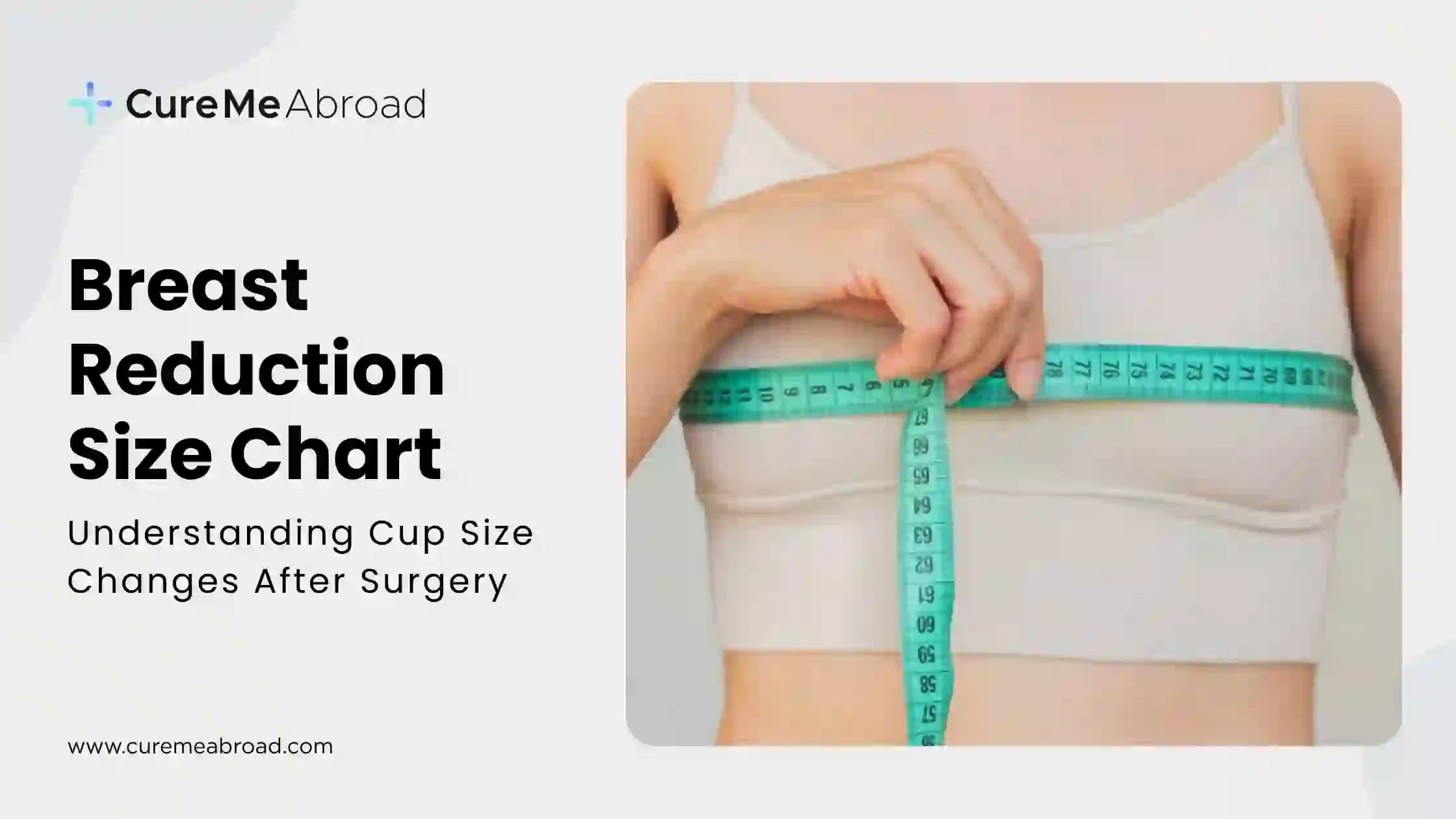
Breast reduction surgery has become an increasingly popular option for women who experience physical discomfort or emotional distress due to overly large breasts. One of the most common questions patients ask before the procedure is:
What size will my breasts be after surgery?
A breast reduction size chart helps provide a guideline. While surgeons cannot guarantee an exact cup size, understanding how breast reduction affects cup sizes can help patients set realistic expectations and make informed decisions.
In this comprehensive guide, we will explain:
- How a breast reduction size chart works
- How cup sizes change after surgery
- Factors influencing the final results
What Is a Breast Reduction Size Chart?
A breast reduction size chart is a reference used by surgeons and patients to estimate how breast size may change after reduction mammoplasty. The chart generally shows approximate cup size reductions based on the amount of tissue removed.
Important Note: Cup sizes are not standardized across brands, so the chart should be used as a guideline rather than an exact prediction.
Why Patients Use a Breast Reduction Size Chart
A breast reduction size chart helps patients:
- Visualize potential before-and-after size changes
- Discuss realistic expectations with the surgeon
- Understand how grams of tissue removal relate to cup size
- Estimate how many cup sizes may be reduced
Breast Reduction Size Chart (Approximate Guide)
| Tissue Removed (per breast) | Approximate Cup Size Reduction |
|---|---|
| 200 - 300 grams | ½ to 1 cup size |
| 300 - 500 grams | 1 to 2 cup sizes |
| 500 - 700 grams | 2 to 3 cup sizes |
| 700 - 1000 grams | 3 to 4 cup sizes |
| 1000+ grams | 4+ cup sizes |
Example:
- A woman with 36H breasts removing 800 grams per breast may end up around 36DD or 36D.
- Someone starting with 34F and removing 400 grams may reduce to 34DD or 34D.
These numbers are only estimates because every patient is different.
How Surgeons Determine Breast Reduction Size
Surgeons consider multiple factors beyond cup size to determine the ideal breast size.
1. Body Proportions
Breasts are designed to complement overall body frame, including:
- Shoulder width
- Chest wall size
- Waist and hip proportions
- Overall body shape
The goal is balance and symmetry, not just reducing cup size.
2. Amount of Tissue Removed
During breast reduction surgery, surgeons remove:
- Excess glandular tissue
- Fat tissue
- Loose skin
Typical ranges:
- Small reduction: 200-400 grams
- Moderate reduction: 400-700 grams
- Large reduction: 700-1000+ grams
3. Desired Patient Outcome
Patients discuss goals during consultation. Common requests include:
- Reducing very large cup sizes (G, H, I)
- Achieving a natural and proportionate look
- Relieving neck, shoulder, and back pain
- Improving comfort during exercise
Many patients aim for a final size around C or D cup, but final decisions depend on anatomy and safety.
Understanding Cup Size Changes After Breast Reduction
Cup size changes depend on the volume of breast tissue removed.
Typical Cup Size Reductions
- 1-2 cup sizes for smaller procedures
- 2-3 cup sizes for moderate reductions
- 3-5 cup sizes for large reductions
Surgeons often avoid extremely small sizes to maintain natural shape and proper nipple blood supply.
Why Exact Cup Sizes Cannot Be Guaranteed
- Bra Size Variations – Different brands have different cup standards.
- Breast Shape Differences – Density, shape, and skin elasticity influence outcomes.
- Healing and Swelling – Final size may take 3-6 months to settle.
- Body Weight Changes – Weight gain or loss can affect breast size.
Common Breast Reduction Before and After Size Examples
| Before Surgery | After Surgery | Reduction |
|---|---|---|
| 36H | 36D | 4 cup sizes |
| 34F | 34C | 3 cup sizes |
| 38DD | 38C | 1-2 cup sizes |
How to Choose Your Ideal Post-Surgery Breast Size
Helpful Tips
- Bring Reference Photos: Helps surgeons understand your desired look.
- Focus on Proportion Instead of Cup Size: E.g., “I want smaller, lighter breasts.”
- Consider Lifestyle: Athletes may prefer smaller breasts; others may want moderate fullness.
Benefits of Breast Reduction Surgery
Physical Benefits
- Relief from chronic neck, shoulder, and back pain
- Reduced bra strap indentations
- Less skin irritation under the breasts
Improved Mobility
- Easier to exercise, run, jog, and participate in sports
Better Clothing Fit
- Clothes fit more comfortably
- Increased confidence wearing dresses, sportswear, and swimwear
Emotional and Psychological Benefits
- Improved self-esteem
- Better body image
- Increased comfort in social situations
Recovery and When Final Size Becomes Visible
First Few Weeks: Swelling and bruising; breasts may appear larger than expected
1-3 Months: Swelling decreases; breast shape begins to settle
3-6 Months: Final breast shape clearer; scars begin fading
6-12 Months: Final results fully visible
Risks and Considerations
Although generally safe, potential risks include:
- Scarring
- Temporary or permanent nipple sensitivity changes
- Infection
- Asymmetry
- Breastfeeding difficulties
Choosing a board-certified plastic surgeon reduces these risks.
Frequently Asked Questions
How many cup sizes can breast reduction remove?
Most surgeries remove 2-4 cup sizes, though larger reductions are possible.
Can I choose my exact cup size?
Not exactly. Surgeons aim for proportionate results, not precise cup sizes.
Is a breast reduction size chart accurate?
It provides general estimates but is not an exact prediction.
Will breasts grow again after surgery?
Weight gain, pregnancy, or hormonal changes can enlarge breasts, but results are typically long-lasting.
Final Thoughts
A breast reduction size chart is a useful tool for understanding potential size changes, but every patient’s anatomy, tissue composition, and goals differ.
The best way to determine your ideal post-surgery breast size is through a detailed consultation with a qualified plastic surgeon. Discussing expectations, reviewing reference photos, and understanding the surgical process helps achieve results that improve comfort, confidence, and quality of life.
References
- Chan M, Lonie S, Mackay S, MacGill K. Reduction Mammaplasty: What Cup Size Will I Be? Plast Reconstr Surg Glob Open. 2019 Jun 14;7(6):e2273. doi: 10.1097/GOX.0000000000002273. PMID: 31624680; PMCID: PMC6635214
- Sylasr. (2025, October 13). Choosing the right breast size | Breast Reduction Results CT. Jandali Plastic Surgery. Link
- Ran R, Wang H, He X, et al. Risk factors for complications after reduction mammaplasty: A systematic review and meta-analysis. Eur J Med Res. 2025;30:440. doi:10.1186/s40001-025-02723-z