




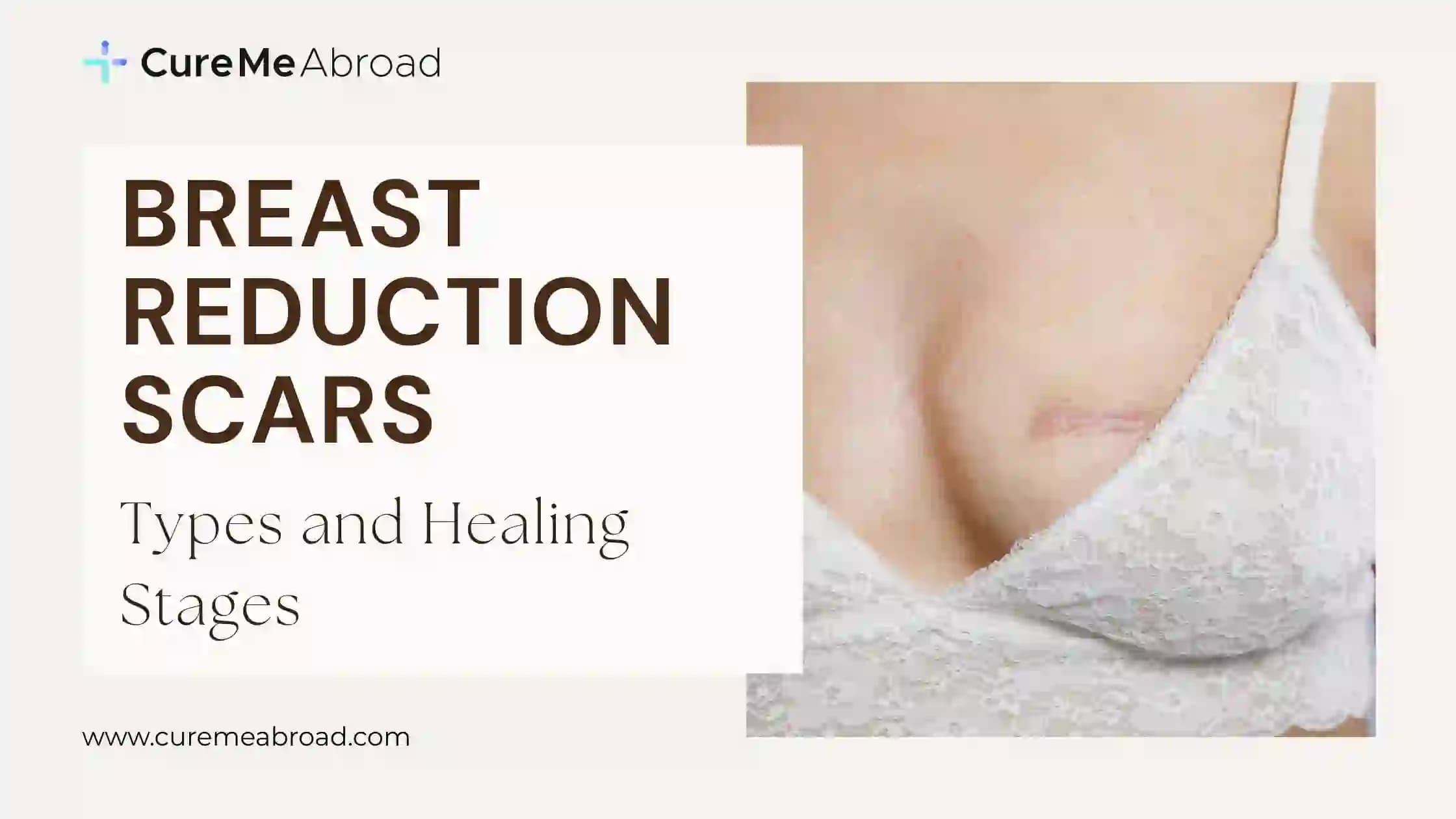
Breast reduction surgery, medically known as reduction mammoplasty, is a common cosmetic and reconstructive procedure that helps reduce the size and weight of overly large breasts. Many patients choose this surgery to relieve physical discomfort such as back pain, neck strain, shoulder grooves, and skin irritation.
However, one of the most common concerns patients have before undergoing surgery is breast reduction scars. Since the procedure involves removing excess breast tissue and skin, scars are inevitable. The good news is that modern surgical techniques and proper scar care can significantly minimize their appearance over time.
In this detailed guide, we will explore:
- What breast reduction scars look like
- Different types of breast reduction scars
- Healing stages of scars after surgery
- How long scars take to fade
- Effective tips to reduce and manage scars
This guide will help you understand what to realistically expect and how to support the best healing outcome.
What Are Breast Reduction Scars?
Breast reduction scars are marks left on the skin after incisions are made during breast reduction surgery. Surgeons make these incisions to remove excess breast tissue, fat, and skin, and then reshape the breast for a more proportional appearance.
The location and size of scars depend on several factors, including:
- Surgical technique used
- Amount of tissue removed
- Skin elasticity
- Patient’s healing ability
- Post-surgery scar care
Although scars are permanent, most become significantly lighter and less noticeable within 12 to 18 months.
Experienced surgeons carefully place incisions in natural breast folds or around the areola so scars are less visible.
Types of Breast Reduction Scars
The type of scar you will have largely depends on the surgical method used for the procedure. Below are the most common types.
1. Anchor (Inverted-T) Breast Reduction Scar
Scar Pattern:
- Around the areola
- Vertical line from areola to breast crease
- Horizontal scar along the breast fold
Best For:
- Large breast reductions
- Severe breast sagging (ptosis)
- Significant tissue removal
Advantages:
- Allows maximum reshaping
- Provides the most control for surgeons
Considerations:
- Produces the most extensive scarring
- Scars usually hide well under the breast fold and bra line
Many surgeons still prefer this technique because it produces long-lasting breast shape and symmetry.
2. Lollipop Breast Reduction Scar
The lollipop scar, also known as the vertical scar technique, is a popular modern method.
Scar Pattern:
- Around the areola
- Vertical line down to the breast crease
Best For:
- Moderate breast reductions
- Mild to moderate sagging
Advantages:
- Less scarring than the anchor technique
- Faster recovery in many cases
- More natural breast shape
Considerations:
- Not ideal for very large breasts
- May not remove as much excess skin
This technique has become increasingly popular due to reduced scar visibility and effective reshaping.
3. Donut (Periareolar) Breast Reduction Scar
The donut scar technique involves a circular incision around the areola.
Scar Pattern:
- Circular scar around the areola
Best For:
- Minor breast reductions
- Small adjustments
- Areola reshaping
Advantages:
- Minimal visible scarring
- Scar blends with the areola edge
Considerations:
- Only suitable for small reductions
- Limited reshaping ability
This method is often used in breast lifts combined with small reductions.
Breast Reduction Scar Healing Stages
Understanding how scars heal can help reduce anxiety after surgery. The healing process typically progresses through four stages:
Stage 1: Inflammatory Phase (Week 1 - 2)
Immediately after surgery, the body begins repairing the incision.
What to Expect:
- Redness and swelling
- Mild tenderness
- Slight firmness around incision lines
This stage is a normal healing response where the body increases blood flow to repair tissues.
Patient Recommendations:
- Keep incisions clean and dry
- Avoid heavy movement
- Follow surgeon's instructions carefully
Stage 2: Early Healing Phase (Weeks 3 - 6)
During this stage, the body starts producing collagen fibers to strengthen the skin.
What Scars May Look Like:
- Pink or red lines
- Slightly raised texture
- Itching as nerves heal
Patient Recommendations:
- Use silicone scar sheets or gels
- Gentle massage (after approval)
- Wear supportive surgical bras
Stage 3: Scar Maturation Phase (2 - 6 Months)
At this point, scars begin to soften and flatten.
Common Changes:
- Redness slowly fades
- Scars become flatter
- Texture improves
The body gradually reorganizes collagen fibers to create stronger and smoother skin. Sun protection is especially important during this stage.
Stage 4: Scar Remodeling Phase (6 - 18 Months)
This is the final stage of scar healing.
What Happens:
- Scars fade from red to light pink or white
- Thickness reduces
- Texture blends with surrounding skin
By the end of this stage, most breast reduction scars become significantly less noticeable. Complete fading varies depending on skin type, genetics, and scar care.
What Do Breast Reduction Scars Look Like After Healing?
After full healing, breast reduction scars typically appear as:
- Thin, pale lines
- Slightly lighter than the surrounding skin
- Hidden under the breast fold or bra line
Modern surgical techniques prioritize scar placement and minimal tension on incisions, helping improve cosmetic outcomes.
Factors That Affect Breast Reduction Scar Appearance
Several factors influence how noticeable scars become over time:
- Surgical Technique – Experienced surgeons minimize visible scarring.
- Skin Type and Genetics – Some individuals are prone to hypertrophic or keloid scars.
- Post-Surgery Care – Proper wound care and scar management are critical.
- Smoking – Reduces blood flow, slows healing, and worsens scarring.
- Sun Exposure – Can darken scars permanently.
How to Reduce Breast Reduction Scars
While scars cannot be completely eliminated, several strategies can help them fade more effectively.
1. Silicone Scar Treatments
Silicone sheets or gels help by:
- Hydrating scar tissue
- Reducing thickness
- Improving texture
Most surgeons recommend using them for 8-12 weeks after surgery.
2. Scar Massage
Gentle massage can help break down collagen buildup and improve circulation.
Benefits:
- Softer scar tissue
- Reduced tightness
- Faster scar maturation
Always consult your surgeon before starting massage therapy.
3. Laser Scar Treatment
Advanced dermatological treatments can improve scar appearance.
Common Options:
- Fractional laser therapy
- Pulsed dye laser treatment
- Microneedling
These stimulate collagen remodeling and skin regeneration.
4. Sun Protection
Always protect scars from direct sunlight using:
- SPF 30+ sunscreen
- Protective clothing
- Avoid prolonged sun exposure
5. Healthy Lifestyle
Focus on:
- High-protein diet
- Vitamin C and zinc intake
- Adequate hydration
- Avoiding smoking
Healthy skin heals faster and more effectively.
When to Contact a Doctor About Breast Reduction Scars
Consult your surgeon if you notice:
- Severe swelling or redness
- Persistent pain
- Signs of infection
- Excessively raised scars
- Unusual scar thickening
Early treatment can prevent long-term scar complications.
Frequently Asked Questions About Breast Reduction Scars
Do breast reduction scars go away completely?
No. Scars are permanent but usually fade significantly over time.
How long does it take for breast reduction scars to heal?
Initial healing occurs within 4-6 weeks; full scar maturation can take 12-18 months.
Are breast reduction scars very noticeable?
Most scars are well hidden around the areola and under the breast fold.
Can breast reduction scars be removed?
Scars cannot be completely removed, but treatments like laser therapy, silicone gels, and microneedling can greatly improve appearance.
Final Thoughts
While breast reduction scars are a natural part of the healing process, they typically fade significantly with time and proper care. Understanding the different scar types and healing stages helps set realistic expectations before surgery.
Thanks to modern surgical techniques, advanced scar treatments, and proper aftercare, most patients find that their scars become much less noticeable within a year.
For many people, the benefits of breast reduction surgery—including pain relief, improved posture, better mobility, and enhanced confidence—far outweigh the concern about scars.
Consulting with a board-certified plastic surgeon is the best way to understand your options and achieve the most natural, aesthetically pleasing results.
References
- Cuccolo NG, Tran DL, Boyd CJ, Shah AR, Geronemus RG, Chiu ES. Strategies for prevention and management of postoperative wounds and scars following microsurgical breast reconstruction: An evidence-based review. Adv Skin Wound Care. 2025;38(3):125-134. doi:10.1097/01.ASW.0001002345.12345.67
- Bruno A, Barbera M. J-scar mammaplasty: A personal approach. Aesthetic Plast Surg. 2025;49(15):4285-4294. doi:10.1007/s00266-025-04799-8
- Cleveland Clinic. (n.d.). Breast reduction scars: Types, healing stages & care. Retrieved March 16, 2026, from https://my.clevelandclinic.org/health/treatments/24782-breast-reduction-scars
- Murakami R, Shiraishi T, Imamura M, Takushima A, Suga H. Scar healing after breast reconstruction: A 5-year follow-up in Asian patients. J Plast Reconstr Surg. 2024;4(1):20-25. doi:10.53045/jprs.2024-0013