




What level of eosinophils indicate cancer is one of the most important questions patients ask when they receive an abnormal complete blood count (CBC) result. If your doctor has flagged an elevated eosinophil count or if you are researching eosinophilia and its relationship to malignancy understanding exactly what level of eosinophils indicate cancer could be one of the most medically significant pieces of information you receive.
Eosinophils are a specialized type of white blood cell produced in the bone marrow and released into the bloodstream as part of the immune system's defense network. Under normal circumstances, eosinophils fight parasitic infections, regulate allergic responses, and participate in inflammation. However, when eosinophil levels rise significantly above the normal range a condition called eosinophilia the underlying cause may range from a simple allergic reaction to something far more serious, including certain types of cancer.
This comprehensive guide covers everything patients and caregivers need to know about level of eosinophils indicate cancer, including normal versus abnormal eosinophil ranges, the specific cancers most associated with elevated eosinophils, diagnostic workup, symptoms to watch for, and what to do if your eosinophil count is abnormally high.
What Are Eosinophils? Understanding Their Role Before Examining Cancer Risk
Before addressing level of eosinophils indicate cancer, it is essential to understand what eosinophils are, how they function, and why their elevation carries diagnostic significance.
Eosinophils are granulocytic white blood cells named for their characteristic red-pink staining with the dye eosin under microscopy. They make up a small fraction of circulating white blood cells in healthy individuals and are primarily stored in tissues such as the gastrointestinal tract, lungs, and skin. In the bloodstream, eosinophils circulate for only 8–12 hours before migrating into tissues, where they can survive for days.
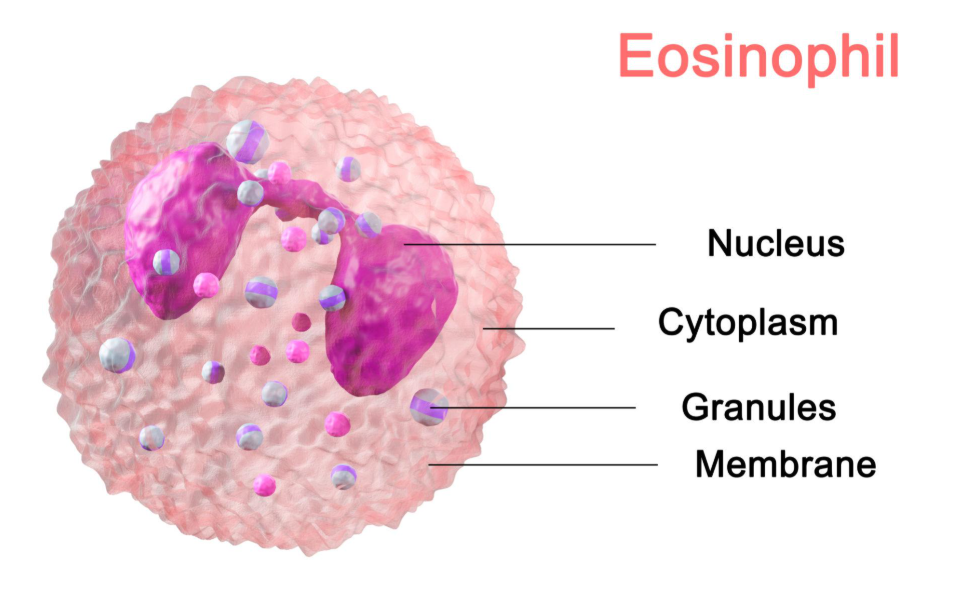
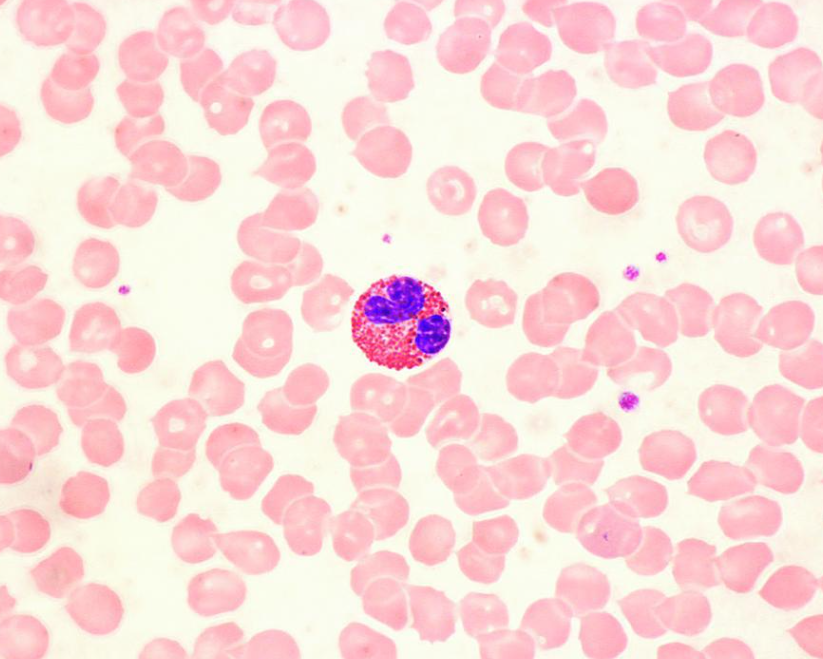
Primary Functions of Eosinophils
- Defense against parasitic and helminthic infections
- Modulation of allergic and asthmatic inflammatory responses
- Regulation of immune tolerance in gastrointestinal tissue
- Participation in wound healing and tissue remodeling
- Anti-tumor immune surveillance in certain cancers
When eosinophil production becomes dysregulated either by reactive immune stimulation or by malignant processes within the bone marrow or elsewhere blood eosinophil levels rise dramatically, creating a condition clinicians use as a diagnostic signal for underlying disease.
Normal Eosinophil Levels: Establishing the Baseline
To answer what level of eosinophils indicate cancer, we must first establish what constitutes a normal eosinophil count. Eosinophil levels are measured as part of a standard complete blood count with differential (CBC with diff) and reported in two ways:
- Absolute Eosinophil Count (AEC): The total number of eosinophils per microliter (µL) of blood
- Percentage of total white blood cells: Eosinophils as a proportion of all circulating white cells
Normal Eosinophil Reference Ranges
| Classification | Absolute Eosinophil Count (AEC) |
|---|---|
| Normal | 100 – 500 cells/µL |
| Mild Eosinophilia | 500 – 1,500 cells/µL |
| Moderate Eosinophilia | 1,500 – 5,000 cells/µL |
| Severe (Hypereosinophilia) | > 5,000 cells/µL |
| Hypereosinophilic Syndrome | > 1,500 cells/µL sustained + organ damage |
As a percentage of total white blood cells, normal eosinophil levels range from 1% to 4%. Values exceeding 5% on a differential blood count warrant clinical evaluation, and values above 500 cells/µL on an absolute count are clinically defined as eosinophilia.
Eosinophil Levels in Children (Age-Based Differences)
Normal eosinophil counts are generally higher in infants and young children than in adults. Therefore, an eosinophil level that appears elevated in an adult may still fall within the normal reference range for a child. Pediatric eosinophil results should always be interpreted using age-specific reference ranges and evaluated by a healthcare professional.
What Level of Eosinophils Indicate Cancer? The Critical Threshold Explained
This is the central clinical question: what level of eosinophils indicate cancer? The honest medical answer is that no single eosinophil number definitively diagnoses cancer but specific thresholds and patterns are strongly associated with malignancy and trigger mandatory oncological investigation.
The Cancer-Associated Eosinophil Threshold
Clinically, an absolute eosinophil count persistently above 1,500 cells/µL defined as moderate to severe eosinophilia is the threshold at which cancer must be actively ruled out as a cause. When eosinophil levels exceed 5,000 cells/µL (hypereosinophilia), the probability of an underlying hematologic malignancy rises substantially, and urgent bone marrow evaluation is standard medical practice.
More specifically:
- AEC > 1,500 cells/µL sustained beyond 4 weeks = requires full diagnostic workup including cancer screening
- AEC > 5,000 cells/µL = hypereosinophilia; hematologic malignancy must be urgently excluded
- AEC > 10,000–30,000 cells/µL = highly suspicious for primary eosinophilic leukemia or advanced hematologic cancer
- Eosinophils > 20% of white blood cell differential = strong hematologic malignancy indicator requiring immediate oncology referral
It is critical to understand that the pattern, persistence, and degree of eosinophilia matter as much as the absolute number. A single mildly elevated reading in a patient with known allergies is entirely different from a sustained AEC of 8,000 cells/µL in a patient with unexplained fatigue, night sweats, and weight loss.
Reactive vs. Neoplastic Eosinophilia: What's the Difference?
One of the most important questions doctors ask when evaluating a high eosinophil count is whether the eosinophilia is reactive (secondary) or neoplastic (primary). This distinction helps determine whether the elevated eosinophils are simply responding to another condition or are being produced by an underlying blood cancer.
Reactive (Secondary) Eosinophilia
Reactive eosinophilia is by far the most common type. In this condition, the bone marrow is functioning normally, but it produces more eosinophils in response to another trigger. Once the underlying cause is treated, the eosinophil count often returns to normal.
Common causes of reactive eosinophilia include:
- Allergies such as hay fever, eczema, and asthma
- Parasitic infections, especially helminth infections
- Drug or medication reactions
- Autoimmune and inflammatory diseases
- Certain bacterial or fungal infections
- Some solid tumors that release cytokines stimulating eosinophil production
Reactive eosinophilia is not a cancer itself, although in rare cases it may occur as a response to an existing cancer elsewhere in the body.
Neoplastic (Primary) Eosinophilia
Neoplastic eosinophilia occurs when the bone marrow itself becomes abnormal and produces excessive eosinophils due to a cancerous process. This is much less common than reactive eosinophilia but requires prompt evaluation because it may indicate a hematologic malignancy.
Conditions associated with primary eosinophilia include:
- Myeloid/lymphoid neoplasms with eosinophilia and tyrosine kinase gene fusions (MLN-eo-TK)
- Chronic eosinophilic leukemia (CEL)
- Certain myeloproliferative neoplasms
- Rare forms of acute leukemia
In these disorders, elevated eosinophils are caused by genetic abnormalities within bone marrow cells rather than by an external trigger.
How Doctors Tell the Difference
A high eosinophil count alone cannot determine whether eosinophilia is reactive or neoplastic. Doctors consider several factors before making a diagnosis, including:
- Medical history and physical examination
- Repeat complete blood count (CBC)
- Allergy, infection, and medication history
- Blood smear evaluation
- Bone marrow examination, when indicated
- Molecular and genetic testing for mutations or tyrosine kinase gene fusions
In most patients, the cause turns out to be reactive rather than cancerous. However, persistent eosinophilia without an obvious explanation, particularly when accompanied by abnormal blood counts, enlarged lymph nodes or spleen, unexplained weight loss, fever, or night sweats, warrants further evaluation by a hematologist.
| Feature | Reactive Eosinophilia | Neoplastic Eosinophilia |
|---|---|---|
| Cause | Response to another condition | Bone marrow or blood cancer |
| Common triggers | Allergies, parasites, medications, autoimmune diseases | Leukemia, myeloproliferative neoplasms, MLN-eo-TK |
| Bone marrow | Normal | Abnormal or malignant |
| Genetic mutations | Usually absent | Often present |
| Treatment | Treat the underlying cause | Cancer-directed therapy, including targeted treatments in eligible patients |
Most cases of eosinophilia are reactive and result from non-cancerous conditions. Neoplastic eosinophilia is rare but should be considered when eosinophil levels remain persistently elevated without an identifiable cause or when other signs of a blood disorder are present.
Cancers Most Commonly Associated With Elevated Eosinophil Levels
Understanding levels of eosinophils requires knowing which specific malignancies produce eosinophilia and why. Eosinophilia in cancer occurs through two primary mechanisms: tumor cells directly secrete eosinophil-stimulating cytokines (IL-5, IL-3, GM-CSF), or malignant transformation of eosinophilic progenitor cells occurs within the bone marrow itself.
1. Chronic Eosinophilic Leukemia (CEL)
Chronic Eosinophilic Leukemia is the malignancy most directly defined by the level of eosinophils indicate cancer because CEL is, by definition, a cancer of eosinophilic cells themselves. In CEL, clonal proliferation of malignant eosinophil precursors produces massively elevated eosinophil counts, typically exceeding 5,000–30,000 cells/µL, with evidence of end-organ damage (cardiac, pulmonary, neurological). CEL is classified under myeloproliferative neoplasms and frequently carries the FIP1L1-PDGFRA gene fusion mutation.
2. Hodgkin Lymphoma
Hodgkin lymphoma is one of the most classically recognized causes of cancer-related eosinophilia. Reed-Sternberg cells the malignant hallmark cells of Hodgkin disease secrete large quantities of IL-5, a cytokine that directly stimulates eosinophil production. Eosinophilia in Hodgkin lymphoma typically ranges from mild to moderate (500–3,000 cells/µL) and is considered a reactive, paraneoplastic process rather than primary malignant eosinophilia.
3. Non-Hodgkin Lymphoma (NHL)
Certain subtypes of Non-Hodgkin Lymphoma particularly T-cell lymphomas including angioimmunoblastic T-cell lymphoma (AITL) and peripheral T-cell lymphoma are strongly associated with eosinophilia. T-cell malignancies produce Th2-type cytokines that drive eosinophil overproduction, often raising AEC to 1,500–5,000 cells/µL as a paraneoplastic manifestation.
4. Acute Myeloid Leukemia (AML) With Eosinophilia
A specific cytogenetic subtype of AML, AML with inv(16) or t(16;16) is characterized by abnormal eosinophils in the bone marrow and peripheral blood. This subtype, also called AML-M4Eo, accounts for approximately 5–8% of all AML cases. Eosinophil counts in this malignancy are elevated both quantitatively and morphologically abnormal, providing a critical diagnostic clue on bone marrow biopsy.
5. Systemic Mastocytosis
Systemic mastocytosis a clonal mast cell disorder frequently classified as a hematologic malignancy commonly coexists with eosinophilia. The KIT D816V mutation driving systemic mastocytosis simultaneously stimulates eosinophil production through shared progenitor pathways, producing AEC elevations in the 500–3,000 cells/µL range.
6. Solid Tumors With Paraneoplastic Eosinophilia
Several solid organ cancers produce paraneoplastic eosinophilia eosinophil elevation driven by tumor-secreted cytokines rather than bone marrow malignancy. Solid tumors associated with elevated eosinophil levels include:
- Lung cancer (particularly large cell carcinoma and adenocarcinoma)
- Colorectal cancer
- Cervical and uterine cancer
- Bladder cancer
- Gastric cancer
- Squamous cell carcinoma of the head, neck, and esophagus
In solid tumor-associated eosinophilia, AEC typically ranges from 500–2,500 cells/µL and often correlates with tumor burden meaning eosinophil levels may rise and fall in parallel with disease activity.
Understanding the WHO 2022 Classification (MLN-eo-TK)
The World Health Organization (WHO) 2022 Classification of Hematolymphoid Tumors introduced important updates to the way certain blood cancers associated with eosinophilia are classified. One of the most significant changes was the adoption of the term Myeloid/Lymphoid Neoplasms with Eosinophilia and Tyrosine Kinase Gene Fusions (MLN-eo-TK).
This updated classification recognizes that persistent eosinophilia can sometimes result from specific genetic abnormalities rather than being a reaction to allergies, infections, or autoimmune diseases. In these rare cases, the increased eosinophil count is caused by a mutation that continuously activates cell growth, leading to a blood cancer.
What Is MLN-eo-TK?
MLN-eo-TK is a group of rare hematologic (blood) cancers characterized by:
- Persistent eosinophilia
- A myeloid or lymphoid neoplasm
- A fusion involving a tyrosine kinase gene, which drives uncontrolled cell growth
Common gene fusions include:
- PDGFRA
- PDGFRB
- FGFR1
- JAK2
- FLT3 (less common)
- Other newly recognized tyrosine kinase gene rearrangements
These genetic alterations are identified through specialized molecular tests such as fluorescence in situ hybridization (FISH), reverse transcription polymerase chain reaction (RT-PCR), or next-generation sequencing (NGS).
Why the WHO 2022 Update Matters
Previously, these disorders were grouped under older classification systems that focused mainly on eosinophilia. The 2022 WHO update places greater emphasis on the underlying genetic driver, allowing physicians to make more accurate diagnoses and choose treatments that specifically target the abnormal tyrosine kinase.
For example, patients with PDGFRA or PDGFRB gene fusions often respond exceptionally well to targeted therapy with imatinib, making early identification critical for improving outcomes.
Can High Eosinophils Ever Be a Good Sign? Prognostic Significance
While eosinophils are not used to diagnose cancer, researchers have increasingly studied whether they can help predict how a patient may respond to treatment or how aggressive a cancer is. This area of research focuses on tumor-infiltrating eosinophils (TIEs), which are eosinophils that migrate from the bloodstream into the tumor tissue. Unlike a routine blood eosinophil count, TIEs are evaluated by pathologists using tumor biopsy or surgical specimens.
What Do the Studies Show?
Over the past decade, multiple studies and systematic reviews have found that higher numbers of tumor-infiltrating eosinophils are associated with better outcomes in several types of solid cancers.
A large systematic review and meta-analysis published in Cancer Immunology, Immunotherapy analyzed data from more than 10,000 patients across multiple international studies. Researchers found that patients with higher levels of tumor-infiltrating eosinophils generally had better overall survival and disease-free survival, particularly in colorectal, esophageal, and oral squamous cell cancers.
Similarly, researchers at the University of Texas MD Anderson Cancer Center and several European cancer research institutions have reported that eosinophils may enhance the body's anti-tumor immune response by releasing cytotoxic proteins, attracting CD8+ T cells, and helping regulate the tumor microenvironment.
Colorectal Cancer Shows the Strongest Evidence
Among all solid tumors, colorectal cancer has some of the most consistent evidence linking eosinophils with favorable outcomes.
Studies conducted in Europe, Japan, and the United States have shown that patients whose tumor tissue contains abundant eosinophils often experience:
- Longer overall survival
- Lower risk of cancer recurrence
- Better response to surgery and chemotherapy
- Reduced likelihood of lymph node metastasis in some cases
Researchers believe eosinophils may help destroy cancer cells directly through the release of granule proteins such as eosinophil cationic protein (ECP) and eosinophil peroxidase (EPO), while also stimulating other immune cells involved in cancer surveillance.
Evidence in Other Cancers
Research has also identified potential prognostic benefits of tumor-infiltrating eosinophils in several other malignancies, including:
- Esophageal cancer
- Gastric cancer
- Oral squamous cell carcinoma
- Melanoma
- Certain head and neck cancers
However, the findings are not consistent across all cancer types. In some cancers, eosinophils appear to have little effect on prognosis, while in others they may even promote tumor growth depending on the surrounding immune environment. This complexity is one reason eosinophils are not currently used as a standalone prognostic biomarker in routine clinical practice.
Blood Eosinophils vs. Tumor-Infiltrating Eosinophils
It is important to distinguish between a routine blood eosinophil count and eosinophils found within tumor tissue. Most of the positive prognostic evidence comes from tumor-infiltrating eosinophils, not from elevated eosinophil levels in a standard complete blood count (CBC).
An elevated blood eosinophil count alone does not necessarily predict better survival or indicate the presence of cancer. Physicians always interpret eosinophil levels alongside imaging studies, pathology findings, molecular testing, and the patient's overall clinical picture.
Current research suggests that tumor-infiltrating eosinophils may be a favorable prognostic marker in several solid tumors, especially colorectal cancer. Although these findings are supported by studies from leading cancer centers and international research groups, eosinophils are not yet part of routine cancer staging or treatment decision-making. Ongoing clinical research aims to determine whether they can be incorporated into future precision oncology approaches.
Does MLN-eo-TK Mean High Eosinophils Always Indicate Cancer?
No. The WHO 2022 classification does not suggest that every elevated eosinophil count is a sign of cancer. In fact, the vast majority of people with eosinophilia have non-cancerous causes, such as allergies, asthma, parasitic infections, medication reactions, or inflammatory diseases.
MLN-eo-TK is considered only when eosinophilia is persistent, unexplained, and accompanied by additional clinical or laboratory abnormalities, including:
- Very high eosinophil counts that remain elevated over time
- Abnormal blood cell counts
- Enlarged spleen or liver
- Constitutional symptoms such as unexplained weight loss, night sweats, or persistent fever
- Evidence of bone marrow abnormalities
- Positive molecular testing for tyrosine kinase gene fusions
Because these disorders are rare but highly treatable when diagnosed early, hematologists often recommend genetic testing in patients with persistent unexplained hypereosinophilia, especially when other warning signs are present.
The WHO 2022 reclassification highlights that persistent eosinophilia alone is not a diagnosis of cancer. Instead, cancer is suspected only when elevated eosinophils are linked to specific genetic abnormalities, particularly tyrosine kinase gene fusions (MLN-eo-TK), which require specialized testing for confirmation.
Symptoms That Accompany Cancer-Level Eosinophilia
Knowing what level of eosinophils indicate cancer becomes even more clinically meaningful when eosinophilia co-occurs with systemic symptoms suggesting malignancy. The following symptoms alongside an elevated eosinophil count should prompt urgent medical evaluation:
- Unexplained weight loss (>10% body weight over 6 months)
- Drenching night sweats
- Persistent unexplained fever (low-grade or cyclical)
- Painless lymph node enlargement (cervical, axillary, inguinal)
- Chronic unexplained fatigue and weakness
- Shortness of breath or chronic cough without infection
- Splenomegaly or hepatomegaly (enlarged spleen or liver)
- Skin rashes, urticaria, or unexplained pruritus
- Bone pain or joint swelling
- Chest pain or palpitations (may indicate cardiac eosinophilic infiltration)
The combination of AEC > 1,500 cells/µL with two or more of these B-symptoms constitutes a medical urgency requiring same-week oncology or hematology consultation.
How Doctors Determine What Level of Eosinophils Indicate Cancer in Your Specific Case
When a patient presents with elevated eosinophils, physicians follow a structured diagnostic protocol to determine whether eosinophilia indicates cancer or a benign reactive cause. This workup typically proceeds in the following order:
Step 1: Repeat Complete Blood Count With Differential
A single elevated eosinophil count may be transient. Persistent elevation on two separate readings at least 4 weeks apart is required to clinically define eosinophilia and proceed with malignancy workup.
Step 2: Comprehensive History and Physical Examination
Physicians evaluate for allergies, asthma, eczema, recent travel (parasitic exposure), medications, and systemic symptoms. Physical examination focuses on lymphadenopathy, organomegaly, and skin findings.
Step 3: Targeted Laboratory Investigation
- Serum IgE levels (elevated in allergic/parasitic causes)
- Serum tryptase (elevated in mastocytosis)
- Vitamin B12 and LDH levels (elevated in myeloproliferative disorders)
- Liver function tests, renal function, troponin (end-organ damage assessment)
- Stool ova and parasite examination
- HIV and HTLV-1 serology
Step 4: Molecular and Genetic Testing
When eosinophil levels indicate possible cancer, molecular testing becomes essential:
- PDGFRA, PDGFRB, FGFR1 gene rearrangement testing (diagnostic for myeloid neoplasms with eosinophilia)
- JAK2, BCR-ABL, KIT D816V mutation analysis
- T-cell receptor gene rearrangement studies (for T-cell lymphoma-associated eosinophilia)
- Flow cytometry for aberrant lymphocyte or blast populations
Step 5: Bone Marrow Biopsy and Aspiration
When AEC exceeds 1,500–5,000 cells/µL with no identified benign cause, bone marrow biopsy is the definitive diagnostic step. Bone marrow evaluation reveals clonal eosinophilic proliferation, blast percentages, cytogenetic abnormalities, and the histological architecture necessary to confirm or exclude hematologic malignancy.
Step 6: Imaging Studies
CT scan of the chest, abdomen, and pelvis is performed to identify lymphadenopathy, organomegaly, or solid tumor masses contributing to paraneoplastic cancer-related eosinophilia.
Non-Cancer Causes of Elevated Eosinophils: Ruling Out Benign Conditions
A critical part of understanding what level of eosinophils indicate cancer is recognizing that the majority of eosinophilia cases are not caused by cancer. The most common non-malignant causes include:
- Allergic diseases: Asthma, allergic rhinitis, atopic dermatitis, food allergies (most common cause worldwide)
- Parasitic infections: Toxocariasis, strongyloidiasis, ascariasis, trichinosis, filariasis
- Drug reactions: NSAIDs, antibiotics, anticonvulsants, allopurinol
- Eosinophilic gastrointestinal disorders: Eosinophilic esophagitis, eosinophilic gastritis
- Autoimmune diseases: Eosinophilic granulomatosis with polyangiitis (Churg-Strauss), lupus
- Hypereosinophilic Syndrome (HES): Idiopathic chronic eosinophilia with organ involvement but no identified malignancy
Distinguishing cancer-related eosinophilia from these benign causes is precisely why the structured diagnostic workup described above is medically essential rather than optional.
FAQs: What Level of Eosinophils Indicate Cancer
Q1: What level of eosinophils indicate cancer specifically?
An absolute eosinophil count persistently above 1,500 cells/µL requires cancer to be actively excluded through diagnostic workup. Counts above 5,000 cells/µL are strongly associated with hematologic malignancy and require urgent bone marrow evaluation.
Q2: Can slightly elevated eosinophils indicate cancer?
Mild eosinophilia between 500–1,500 cells/µL is most commonly caused by allergies or parasitic infections. However, if it persists beyond 4 weeks without an identifiable benign cause, cancer must be considered and investigated.
Q3: What type of cancer causes the highest eosinophil levels?
Chronic Eosinophilic Leukemia (CEL) and Hypereosinophilic Syndrome associated with myeloproliferative neoplasms typically produce the highest eosinophil counts, often exceeding 10,000–30,000 cells/µL.
Q4: Do eosinophils always rise in cancer?
No. Many cancers do not cause eosinophilia. Elevated eosinophils are specifically associated with lymphomas, certain leukemias, eosinophilic leukemia, and select solid tumors that secrete eosinophil-stimulating cytokines.
Q5: What symptoms with high eosinophils should prompt emergency evaluation?
Eosinophil counts above 5,000 cells/µL combined with chest pain, shortness of breath, neurological symptoms, or signs of organ failure require emergency evaluation due to the risk of cardiac eosinophilic infiltration and end-organ damage.
Q6: Can eosinophilia from cancer be treated?
Yes. Treatment depends on the underlying malignancy. CEL with PDGFRA mutation responds dramatically to imatinib (Gleevec). Hodgkin lymphoma-associated eosinophilia resolves with lymphoma chemotherapy. Early diagnosis and targeted treatment are critical.
Q7: Is a bone marrow biopsy always needed to diagnose cancer-related eosinophilia?
Not always. In some cases, molecular blood testing and imaging provide sufficient diagnostic information. However, when AEC persistently exceeds 1,500–5,000 cells/µL without an identified benign cause, bone marrow biopsy is the gold-standard diagnostic step.
Conclusion
What level of eosinophils indicate cancer is not answered by a single absolute number, but by a clinically meaningful threshold supported by persistence, pattern, and accompanying symptoms. An absolute eosinophil count persistently above 1,500 cells/µL triggers mandatory cancer workup. Counts exceeding 5,000 cells/µL represent hypereosinophilia with urgent hematologic malignancy evaluation required. Counts above 10,000–30,000 cells/µL are highly suspicious for primary eosinophilic leukemia.
The most important action any patient can take upon receiving an elevated eosinophil count is to work with their physician to identify the cause systematically and promptly. What level of eosinophils indicate cancer is ultimately a clinical judgment integrating the number itself, its persistence, the full blood count picture, molecular testing, and the patient's complete symptom profile.
Early detection of cancer-related eosinophilia, particularly in hematologic malignancies like chronic eosinophilic leukemia and Hodgkin lymphoma, dramatically improves treatment outcomes and long-term survival. If your eosinophil levels are elevated and persistent, do not wait seek specialist evaluation without delay.