




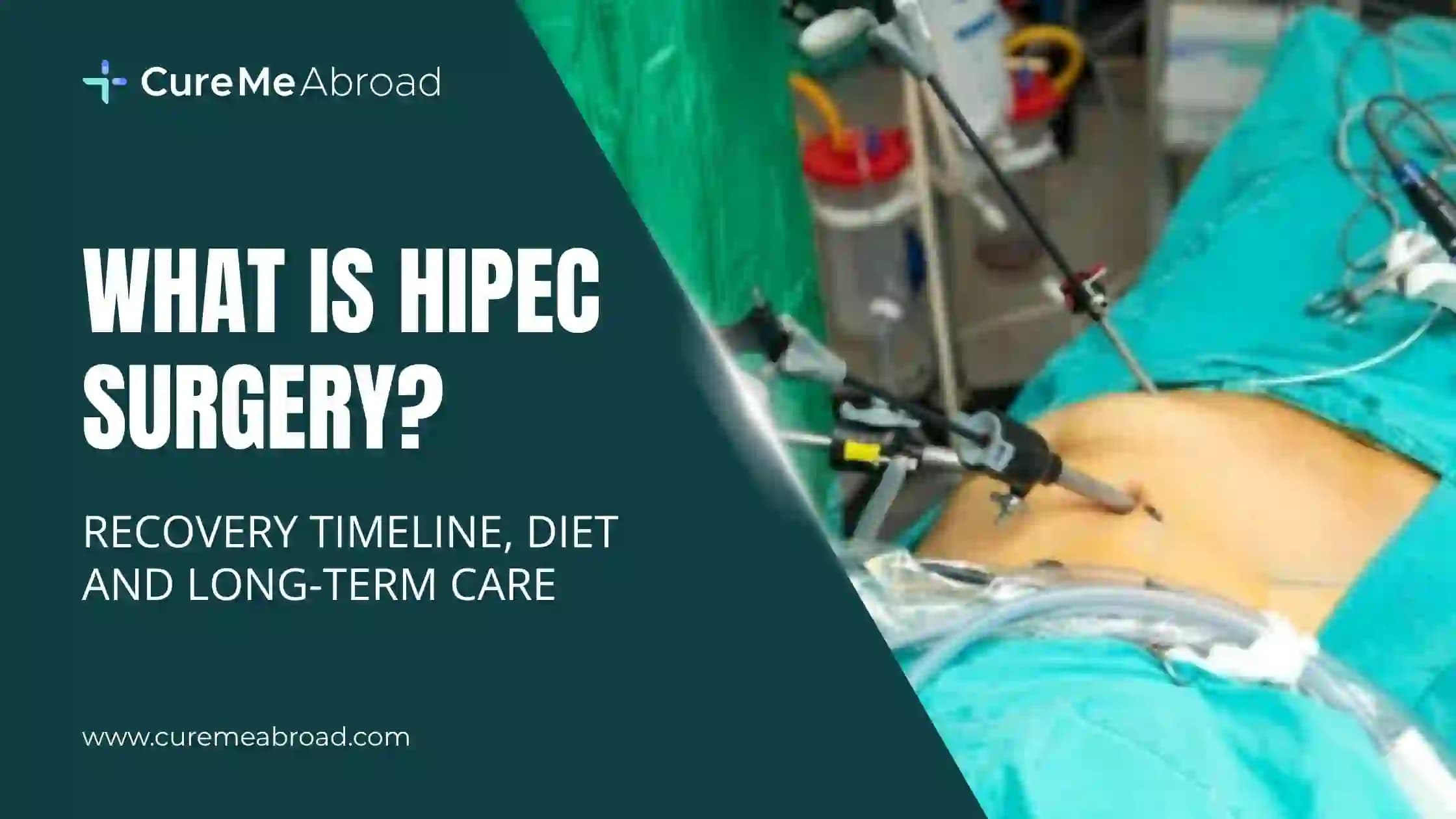
Healing after HIPEC surgery unfolds at its own pace, guided by individual biology and clinical care. Though experiences differ, tiredness usually comes first, then eases over time. Drinking fluids marks the beginning of eating, with texture increasing only when the gut shows readiness.
Once home, progress depends on activity. Taking brief steps early can reduce risks and strengthen endurance over time. Patience matters more than speed during healing. Recovery also depends heavily on food choices that support digestion while providing needed nutrients.
Progress appears gradually. Surgical marks fade first, stamina improves later. Small habits help long-term recovery: regular screenings, balanced meals, and matching rest with activity.
What Is HIPEC Surgery?
During HIPEC surgery, doctors first remove visible tumors. This step is called cytoreductive surgery.
After tumor removal, heated chemotherapy fluid circulates inside the abdominal cavity while the patient remains under anesthesia. The entire procedure usually lasts 8 to 12 hours.
Instead of giving chemotherapy weeks later, HIPEC delivers it immediately during surgery. Heat helps the medicine penetrate tissues more effectively. Recovery begins once circulation stops and surgeons close the abdomen.
Cancers treated with HIPEC include:
- Appendix cancer
- Peritoneal cancer (abdominal lining)
- Colorectal cancer that has spread locally
- Ovarian cancer
- Stomach cancer
Success rates improve significantly when cancer remains confined to the abdominal cavity.
Throughout surgery, anesthesiologists monitor vital functions closely. Tools such as arterial lines, central lines, and core temperature monitoring help maintain stability during chemotherapy circulation.
HIPEC Surgery Recovery Timeline
Recovery varies depending on factors such as:
- Extent of cancer spread
- Organs involved in surgery
- Patient age
- Overall health condition
Full recovery often takes 3–6 months, though some patients require up to 12 months.
First 72 Hours After HIPEC Surgery
After surgery, patients move to the ICU for close monitoring.
Breathing support may remain in place for 12–24 hours. Doctors continuously monitor:
- Heart rate
- Blood pressure
- Urine output
- Electrolytes
Drainage tubes remove excess fluids from the abdomen and stomach.
Pain control begins immediately using epidural catheters or PCA pumps. Patients may start small movements such as sitting upright to reduce the risk of blood clots or pneumonia.
Nutrition usually begins through IV fluids, since digestion needs time to recover.
Week 1–2: Hospital Recovery
Hospital stays typically last 2–3 weeks.
Once stable, patients move from ICU to a surgical recovery unit. Drainage tubes are removed gradually.
Walking begins with assistance from nurses to rebuild endurance.
Digestive function slowly returns. Signs include:
- Bowel sounds
- Passing gas
Diet progresses from:
- IV nutrition
- Clear liquids
- Soft foods
Doctors monitor for common complications such as infection, blood clots, or breathing problems.
Weeks 2–6: Early Home Recovery
After discharge, fatigue remains common. Patients often need 10–12 hours of sleep each night plus daytime rest.
Light walking is recommended, but activities such as heavy lifting or driving require doctor approval.
Appetite gradually improves, though patients may experience:
- Taste changes
- Early fullness
Weight loss of 10–20 pounds is common during recovery.
Follow-up visits help monitor healing and detect problems such as fever, abdominal pain, or wound drainage.
Month 3–6: Returning to Normal Activities
Energy levels begin improving during this phase.
Patients may start light physical activities such as:
- Walking
- Swimming
- Gentle yoga
High-impact activities and contact sports should still be avoided.
Some digestive symptoms may continue, including:
- Bloating
- Loose stools
- Constipation
Routine imaging and blood tests monitor cancer recurrence.
Month 6–12: Long-Term Recovery
Between six months and one year after surgery, most patients regain normal energy levels.
Exercise routines expand, and many return to work, sometimes with modified schedules.
Some digestive changes may remain if parts of the intestines were removed. Scar tissue may occasionally cause abdominal discomfort.
Regular monitoring continues through scheduled imaging and checkups.
Post-HIPEC Surgery Diet
Nutrition plays an essential role in recovery.
Diet typically progresses through stages as digestion improves.
Early Recovery Nutrition (Week 1–4)
The diet begins with clear liquids, including:
- Broth
- Apple juice
- Gelatin
- Ice pops
If tolerated, patients progress to:
- Cream soups
- Protein shakes
- Dairy products
Around day 7–10, soft foods are introduced:
- Scrambled eggs
- Mashed potatoes
- Oatmeal
- Yogurt
- Cooked vegetables
Small meals every few hours help digestion.
Daily protein intake should reach 75–100 grams using options such as:
- Fish
- Eggs
- Shredded chicken
- Cottage cheese
- Greek yogurt
- Protein shakes
Hydration is important. Aim for 64–80 ounces of fluids daily.
Building a Balanced Diet
After several weeks, more foods return gradually.
Recommended components include:
- Lean proteins (poultry, fish, beans, eggs)
- Healthy fats (olive oil, avocados, nuts, fatty fish)
- Fruits and vegetables
Cooked vegetables are usually easier to digest initially. Raw produce may be added later.
Probiotic foods may support gut health:
- Yogurt
- Kefir
- Fermented vegetables
Foods to Avoid
During early recovery, avoid:
- Raw vegetables
- Whole grains
- Beans and legumes
- Fried foods
- Greasy meals
- Carbonated drinks
- Alcohol
- Excess caffeine
These foods may cause bloating, nausea, or digestive discomfort.
Exercise After HIPEC Surgery
Gradual movement improves recovery by supporting circulation, muscle strength, and mental well-being.
Early Movement
Walking is encouraged soon after surgery.
Start with 5–10 minute walks several times daily.
Avoid:
- Lifting more than 10 pounds
- Driving without medical approval
Intermediate Exercise (6–12 Weeks)
With medical approval, patients may begin:
- Swimming
- Stationary cycling
- Gentle stretching
- Yoga
Daily walking may gradually increase to 45 minutes.
Advanced Activity (After 3 Months)
Strength training and more demanding exercise may resume gradually with doctor approval.
Stop exercising if symptoms occur such as:
- Pain
- Extreme fatigue
- Dizziness
Managing Side Effects and Complications
Possible complications after HIPEC surgery include:
- Infections
- Blood clots
- Kidney stress
- Intestinal blockage
- Digestive changes
Chemotherapy can also cause nerve damage, leading to numbness or burning sensations in hands and feet.
Some patients experience chemobrain, which includes memory issues and difficulty concentrating.
When to Contact Your Doctor
Contact your healthcare provider immediately if you experience:
- Fever above 101°F (38.3°C)
- Severe abdominal pain
- Heavy drainage from surgical wounds
- Chest pain or breathing problems
Seek medical advice if you notice:
- Persistent nausea or vomiting
- No bowel movement for three days
- Leg swelling or redness
- Rapid unexplained weight loss
Frequently Asked Questions
How Long Does HIPEC Surgery Take?
HIPEC surgery usually lasts 8–12 hours.
The procedure includes tumor removal followed by heated chemotherapy circulation for up to 90 minutes.
What Is the Success Rate?
Success varies depending on cancer type and disease extent.
Examples include:
- Appendix cancer: 50–75% five-year survival when tumors are completely removed
- Colorectal cancer with peritoneal spread: 30–50% five-year survival
Complete tumor removal (full cytoreduction) greatly improves outcomes.
Common Complications
Common complications include:
- Infection (15–25%)
- Intestinal leakage (5–15%)
- Blood clots
- Kidney problems
- Intestinal blockage
Serious complications occur in 20–40% of cases.
Mortality rates at experienced centers range from 1–5%.
Cost of HIPEC Surgery
Costs vary widely depending on hospital and location.
Total costs may range from $50,000 to $300,000.
Insurance coverage often applies but varies by plan and treatment details.
Returning to Work
Most patients return to work 3–6 months after surgery.
Sedentary jobs may resume sooner, while physically demanding jobs require longer recovery.
Conclusion
HIPEC surgery offers a potential treatment option for certain advanced abdominal cancers.
Recovery takes months and requires patience, careful monitoring, and strong support systems.
Outcomes depend heavily on complete tumor removal and the expertise of the surgical team.
Regular follow-ups, lifestyle adjustments, and close communication with healthcare providers help improve long-term recovery and quality of life.
References
- Sugarbaker PH. Cytoreductive surgery and hyperthermic intraperitoneal chemotherapy in the management of gastrointestinal cancers with peritoneal metastases. Cancer Treatment Reviews. 2023.
- National Cancer Institute. HIPEC (Hyperthermic Intraperitoneal Chemotherapy).
https://www.cancer.gov/about-cancer/treatment/types/surgery/hipec - American Society of Clinical Oncology. Understanding HIPEC Surgery: A Patient Guide. Journal of Clinical Oncology. 2024.
- Chua TC, Moran BJ, Sugarbaker PH, et al. Early and long-term outcomes of pseudomyxoma peritonei treated with cytoreductive surgery and HIPEC. Journal of Clinical Oncology. 2022.
- Glehen O, Gilly FN, Boutitie F, et al. Cytoreductive surgery with intraperitoneal chemotherapy for peritoneal carcinomatosis. Cancer. 2023.
- Mayo Clinic. HIPEC Surgery: Recovery and What to Expect.
https://www.mayoclinic.org/tests-procedures/hipec/about/pac-20384965