


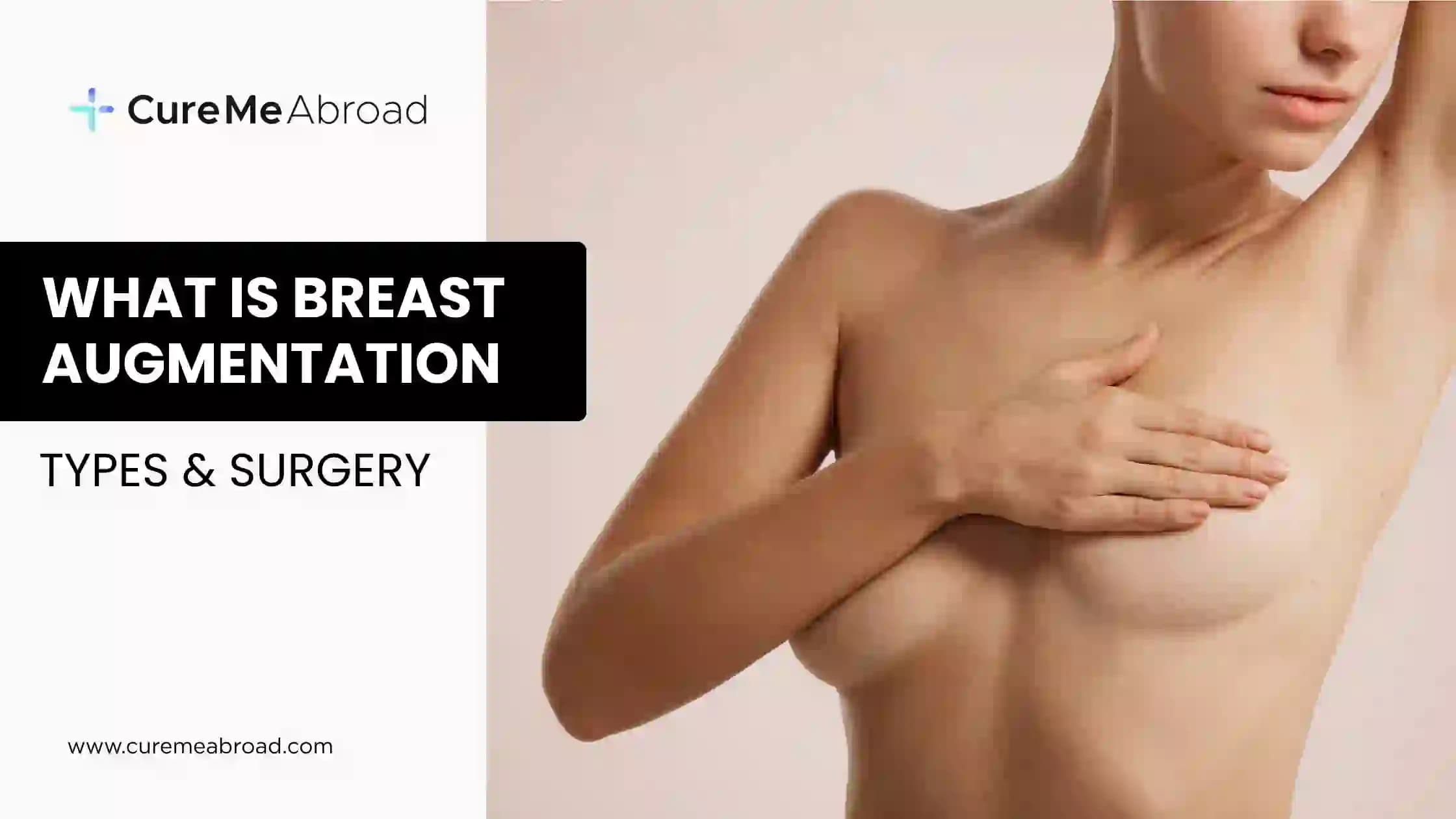
Breast Cancer Augmentation is sometimes referred to as breast reconstruction or post-cancer breast augmentation. Breast cancer reconstruction is a surgical intervention that is generally done after mastectomy to restore the size, shape, and appearance of the breast that has been lost due to cancer treatment. This type of surgery is not focused on appearance only, but it is a very important part of the healing process for many women after cancer.
This guide will try to answer the question: What is breast augmentation? It will be helpful for anyone who wants to know about different forms of reconstruction, the criteria for getting it, the right timing, the positives, the potential hazards, and the healing process after the operation.
What Is Breast Augmentation?
Breast Augmentation or Augmentation Mammoplasty is a surgical operation that involves enlargement of the size of breasts through the use of implants or body fat donation. The operation may be carried out by insertion of saline or silicone. In case you decide to increase your breast size only slightly, you may use body fat taken from another part of your body.
Is Breast Augmentation Appropriate For Me?
If you are seeking to enlarge one or both of your breasts, this surgery may be an option for you. A breast augmentation can solve the size discrepancy between the two breasts. It can also solve the reversal of breast size due to either breastfeeding or pregnancy. Women who wish to enlarge their breasts for either personal or psychological reasons may be candidates for a breast augmentation.
Any patient seeking breast augmentation surgery must be in good health and have no active or pre-existing diseases. Because of the interference with normal wound healing and other complications, the University of Michigan Health does not currently accept patients for breast augmentation surgery who are smokers. In preparation for your surgery, you will be given information regarding your diet, fluid intake, and smoking as you get closer to your surgery date.
Because a type of biopsy for breast cancer may result in the deflation of a breast implant, women who have a high risk of breast cancer and breast cysts may not be candidates for breast augmentation surgery.
What is Breast Augmentation Technique
Using Breast Implants
Breast implants are the most popular procedure for breast augmentation. There are two types of breast implants:
- Saline Implants: These implants are filled with a sterile saline solution. They offer a firmer feel.
- Silicone Implants: These implants are filled with a gel-like silicone material. They offer a natural feel and look.
Fat Transfer Breast Augmentation
This procedure involves liposuction. Fat is extracted from areas such as the abdomen, thighs, or hips. It is then injected into the breasts. This procedure is ideal for women who want a slight breast augmentation with a natural feel.
Types of Implants
Saline
The plastic surgeon will then fill the silicone implant with sterile water in the operating room to your desired size. Saline is much cheaper than silicone, but there is a chance that you may develop visible rippling or skin folds over the implant in the future. However, the benefit of the saline implant is that it can be filled with more saline solution after your breast augmentation surgery. This is especially true for those individuals who are undergoing oncologic breast reconstruction after mastectomy and need to have a gradual expansion of the small breast envelope to prepare it for an implant in the future.
Silicone
These implants have different levels of consistency. The more molecular bonds, the more cohesiveness and viscosity of the silicone filling. These implants are also known as “gummy bear implants.” The benefit of these implants is that there is a low chance of developing skin rippling and implant leakage. They are also firmer than the traditional silicone filling that has a liquid consistency.
What are Breast Augmentation Surgery Procedures?
To place the breast implant, your plastic surgeon will make one cut, or incision, in one of three places:
- Under your breast (inframammary)
- Around your nipple (periareolar)
- Under your arm (transaxillary)
Once the cut is made, your plastic surgeon will create a pocket between your breast tissue and the muscle and connective tissue of your chest. This pocket is made either behind or in front of the outer muscle of your chest wall, called the pectoral muscle. The pocket is then filled with the implant, which is placed behind your nipple.
Saline-filled implants are placed in empty shells and then filled with saltwater solution after they are inserted. Silicone implants are filled with silicone gel before they are inserted.
After the implant is inserted, your plastic surgeon will close the incision with stitches (sutures). The plastic surgeon will then bandage the incision with skin adhesive and tape.
Recovery After Breast Augmentation
Since every woman has a different body, the time for recovery may differ considerably. Moreover, the time for recovery from the surgery may be influenced by several factors, such as the nature of the surgery, the method of surgery, the position of the breast implants, and the body’s healing power.
Generally, it will take 4 to 6 weeks to recover from the surgery of breast augmentation. However, if transaxillary implantation is involved, the time for recovery will be short and swift. If an inframammary or periareolar incision is involved, the time for recovery will be longer.
Recovery Timeline
24 Hours Post-Op
- Pain, nausea, tiredness, and tightness in the chest
- Heavy swelling and bruising
- Need for complete rest
- Severe discomfort managed with medication
- Use of a postoperative support bra
5–7 Days Post-Op
- Mild aching and discomfort
- Resume light routine activities (with doctor approval)
- Avoid heavy physical activity
- Breast massage may be recommended
2–4 Weeks Post-Op
- Significant improvement in comfort
- Minor swelling may remain
- Stitch removal
- Light exercise allowed
- Continued use of support bra
- Scar care treatments may begin
4–6 Weeks Post-Op
- Near complete healing
- Swelling and bruising mostly gone
- Breasts appear more natural
- Follow-up assessment with doctor
Diet To Follow After Breast Augmentation
- Reduce Salt Intake: Prevents swelling due to water retention
- Consume Vitamin K: Helps prevent bleeding (kale, spinach)
- Include Antioxidants: Berries, papaya, pomegranate
- Add Vitamin C: Promotes healing and collagen production
- Anti-inflammatory Foods: Salmon, walnuts, flax seeds, fish oil
What is Breast Augmentation Results
Breast augmentation can alter the size and shape of the breasts and improve body image and self-esteem. However, expectations should remain realistic.
Aging and weight changes can affect results over time. Some patients may require revision surgery later.
Safety and Complications of Implants
Breast implants are FDA-approved medical devices for augmentation and reconstruction. While most procedures are successful, risks include:
- Breast implant-associated anaplastic large cell lymphoma (BIA-ALCL)
- Breast implant-associated squamous cell carcinoma (BIA-SCC)
- Breast implant illness (BII)
Breast reconstruction helps restore both physical appearance and emotional confidence after cancer treatment. Options include implants, autologous tissue, or a combination.
Each case is unique, and decisions should be made with a qualified healthcare team based on health condition, treatment timeline, and personal preferences.
Frequently Asked Questions
Can breast reconstruction be done years after cancer?
Yes. It is quite normal and effective to have delayed breast reconstruction even years after the cancer treatment.
Will reconstructed breasts feel natural?
Autologous reconstruction feels more natural, but modern implants also provide good results.
Can I have breast augmentation after radiation therapy?
Yes. However, radiation may affect tissue quality, and flap reconstruction is often recommended.
Does breast reconstruction hide cancer recurrence?
No. Radiology methods are adapted to evaluate reconstructed breasts effectively.
References
- Cleveland Clinic (2026)
- Mayo Clinic
- Stanford Cosmetic Surgery
- Pristyn Care (2026)