




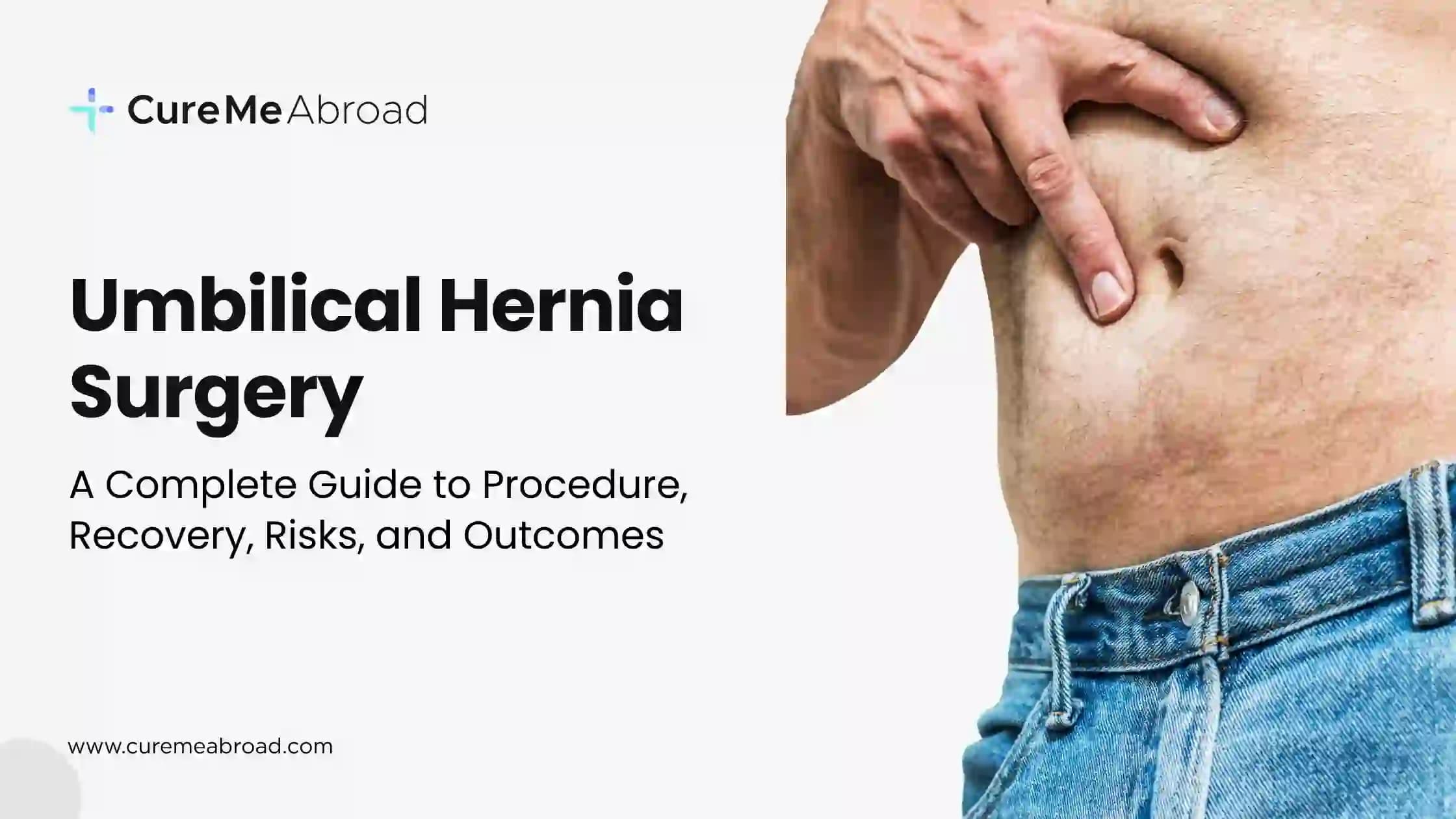
An umbilical hernia is a common condition that can affect both children and adults. It occurs when part of the intestine, fat, or abdominal tissue pushes through a weak spot in the abdominal wall near the navel. While many cases are harmless, around 65% of adult umbilical hernias eventually require surgery, and 3%–5% may need emergency treatment.
This guide covers everything you need to know about umbilical hernia surgery, including causes, treatment options, recovery, and risks.
What Is an Umbilical Hernia?
The abdominal wall protects internal organs like the intestines. When a weak spot develops, tissue can push through, forming a visible bulge near the belly button.
Umbilical hernias are common because the umbilical cord passes through this area during fetal development. If the opening doesn’t close properly—or weakens later—it can lead to a hernia.
Causes of Umbilical Hernia
Umbilical hernias occur due to weakness in the abdominal muscles combined with increased pressure inside the abdomen.
Common Risk Factors
- Obesity
- Multiple pregnancies
- Fluid buildup in the abdomen (ascites)
- Liver cirrhosis
- Previous abdominal surgeries
- Chronic cough or constipation
Women are generally more prone than men, especially after multiple pregnancies.
Evaluation and Diagnosis
Doctors usually diagnose an umbilical hernia through a physical examination.
They check:
- A visible bulge near the navel
- Whether the hernia is reducible (can be pushed back in)
- Signs of complications like incarceration or strangulation
Serious Complication
- Incarcerated hernia: Tissue gets trapped
- Strangulated hernia: Blood supply is cut off (medical emergency)
Non-Surgical Treatment Options
Umbilical hernias do not heal on their own in adults, but mild cases may be managed temporarily.
Non-Surgical Management
- Wearing a hernia belt
- Avoiding heavy lifting
- Maintaining healthy weight
- Treating cough or constipation
- Monitoring symptoms regularly
When Is Surgery Recommended?
Surgery is advised if:
- The hernia grows or becomes painful
- It does not close in children by age 4–5
- It becomes incarcerated or strangulated
- There is bowel obstruction
- Cosmetic concerns arise
In adults, surgery is usually recommended because the condition worsens over time.
How to Prepare for Umbilical Hernia Surgery
- Quit smoking
- Maintain a healthy weight
- Start light exercise (doctor-approved)
- Avoid medications like blood thinners (if advised)
- Follow hygiene and infection-prevention guidelines
Umbilical Hernia Surgery Procedure
Open Surgery
- Incision made near the belly button
- Hernia sac is pushed back or removed
- Weak area repaired using stitches or surgical mesh
Laparoscopic Surgery
- Small incisions
- Camera (laparoscope) inserted
- Mesh placed internally
Duration
- Typically 30 to 90 minutes
- Usually done as a day-care procedure
Recovery After Surgery
Week 1
- Pain and discomfort near incision
- Limited movement
- Pain medication may be needed
Week 2
- Improvement in pain
- Light walking encouraged
Weeks 3–4
- Resume normal daily activities
- Incision healing
Weeks 5–6
- Return to routine lifestyle
Risks of Umbilical Hernia Surgery
Although generally safe, risks include:
- Reaction to anesthesia
- Infection
- Bleeding or blood clots
- Mesh complications
- Recurrence of hernia
Prognosis
- High success rate
- Low recurrence risk
- Most patients recover fully
Exercises After Surgery
- Start with light walking early
- Gradually add low-impact activities like swimming
- Avoid heavy lifting or abdominal strain
Foods to Avoid After Surgery
- Spicy foods: May irritate digestion
- Processed foods: Hard to digest
- Caffeine: Can cause dehydration
- Alcohol: Slows healing and increases infection risk
Conclusion
Umbilical hernia surgery is a safe and effective treatment that prevents serious complications and provides long-term relief. Modern techniques like laparoscopic and mesh repair ensure faster recovery and minimal discomfort.
Early diagnosis and timely treatment are key to avoiding emergency situations and achieving the best outcomes.
Frequently Asked Questions
Is surgery necessary for adults?
Yes, most adult umbilical hernias require surgery as they do not heal on their own.
How long does the surgery take?
About 30 to 90 minutes.
Is mesh repair safe?
Yes, modern surgical mesh is safe and reduces recurrence risk.
How painful is the surgery?
Pain is usually mild to moderate and manageable with medication.
References
- Cleveland Clinic (2025)
- StatPearls – NCBI (2024)
- NHS (2025)
- Pristyn Care (2026)