



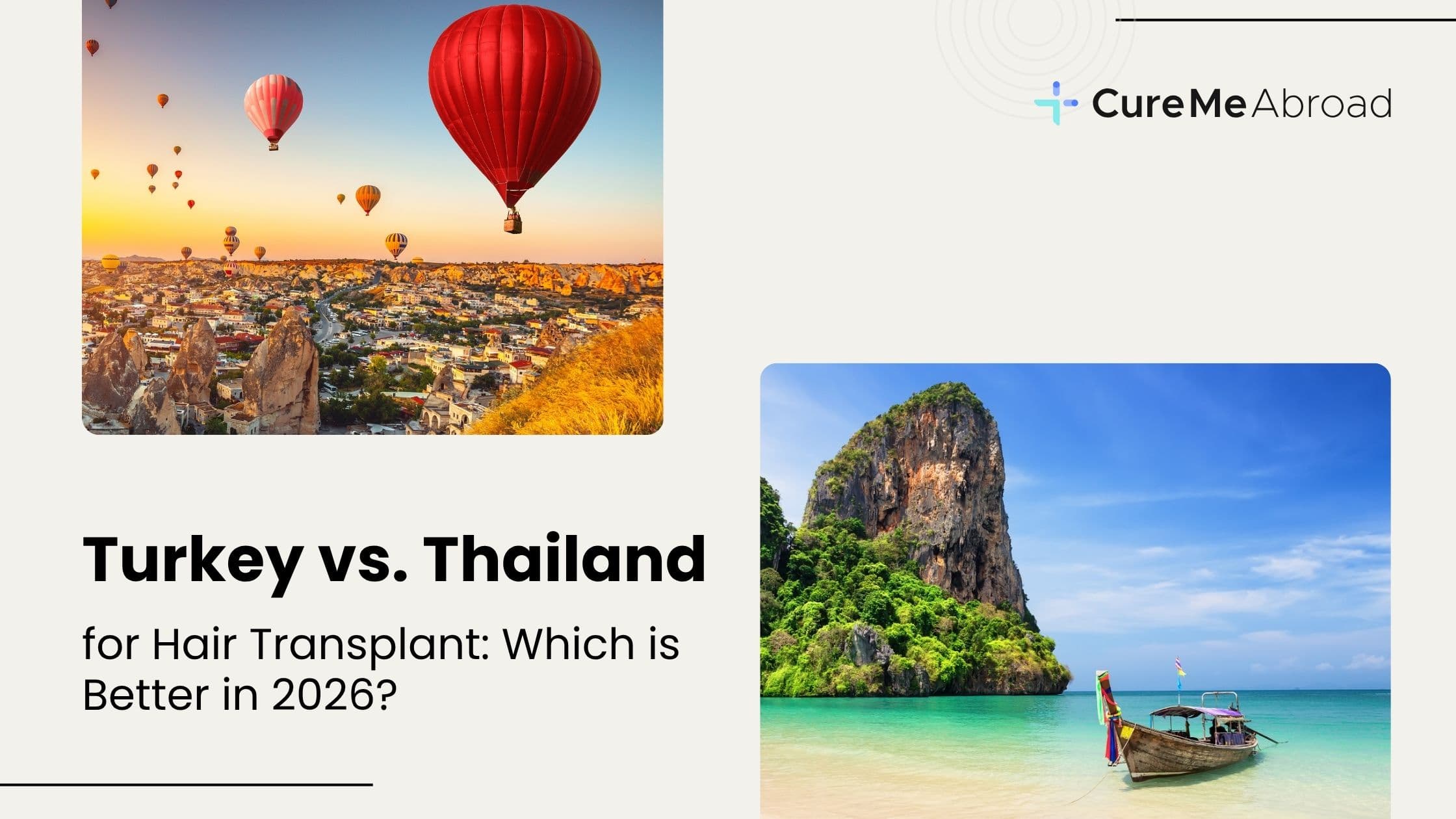
If you're seriously considering a hair transplant abroad, two destinations are probably dominating your research: Turkey and Thailand. Both countries have built strong reputations in medical tourism, and both offer significant cost savings compared to clinics in the UK, US, or Western Europe. But they are very different experiences, and choosing the wrong one could mean the difference between a life-changing result and a costly disappointment.
This guide breaks down everything you need to know costs, quality, clinics, aftercare, and travel experience so you can make a genuinely informed decision in 2026.
Why Go Abroad for a Hair Transplant at All?
The case for medical tourism in hair restoration has never been stronger. In the United Kingdom, a quality FUE (Follicular Unit Extraction) transplant can cost anywhere between £5,000 and £15,000. In the United States, the numbers are even higher. Abroad, you can access the same and in many cases, better procedures at a fraction of the price, often with the added bonus of a travel experience built in.
But "abroad" is a broad term. The country you choose shapes everything: the surgeon's training, the clinic's hygiene standards, the legal protections available to you, the aftercare protocols, and even how comfortable your recovery will be. So let's get into the specifics.
Turkey: The Global Capital of Hair Transplants
Turkey, and Istanbul in particular, has become synonymous with hair restoration. The country performs more hair transplants than any other nation in the world, and that reputation has been built over more than two decades of specialisation.
Why Turkey dominates:
The sheer volume of procedures performed in Turkey has created an ecosystem of excellence. Surgeons here have often completed thousands of procedures by the time they're considered mid-career. Techniques like FUE, DHI (Direct Hair Implantation), and Sapphire FUE have been refined to a near-art form in Turkish clinics. The best Istanbul clinics are genuinely world-class, with operating theatres, sterile environments, and pre-operative blood work as standard.
Cost is another major draw. A full FUE hair transplant in Turkey including accommodation, airport transfers, and post-operative care typically runs between £1,500 and £3,500. All-inclusive packages are the norm rather than the exception. You pay one price and the logistics are handled for you.
Turkey also has an established regulatory framework for medical tourism. The Turkish Ministry of Health accredits clinics, and international bodies like JCI (Joint Commission International) certify some of the higher-end facilities. This gives patients a layer of accountability that matters when you're trusting someone with your scalp.
The challenges with Turkey:
The sheer volume of patients Turkey handles is also its biggest risk. The country's popularity has led to a proliferation of budget clinics that prioritise throughput over outcomes. Some of these operations will book three or four patients in a single day, rely heavily on technicians rather than qualified surgeons for the implantation phase, and cut corners on sterilisation. The horror stories you occasionally read about infections, unnatural hairlines, poor density almost always trace back to these low-end providers.
The lesson is not to avoid Turkey. It's to choose your clinic carefully. Verified reviews, before-and-after portfolios, direct consultations with the surgeon (not just a sales agent), and transparent communication about who will be in the room during your procedure these are non-negotiables.
Thailand: The Wellness-First Alternative
Thailand has long been one of Asia's premier medical tourism destinations, and its strengths run deep. Hospitals like Bumrungrad International in Bangkok and Bangkok Hospital operate at standards that rival the best private facilities in Europe, with JCI accreditation, multilingual staff, and internationally trained doctors.
Why Thailand appeals:
Thai medical culture places a heavy emphasis on patient care and holistic experience. Clinics are typically calm, unhurried environments. You won't feel like a product on a conveyor belt. Surgeons who perform hair transplants in Thailand often have dual qualifications dermatology or plastic surgery backgrounds combined with specialised hair restoration training and they tend to spend significantly more consultation time with each patient.
The travel experience itself is an obvious appeal. Thailand is one of the world's great destinations: stunning beaches, incredible food, cultural richness, and a hospitality culture that genuinely prioritises your comfort. Many patients choose to schedule their procedure and build a recovery holiday around it, spending the first few days resting in Bangkok before heading to Phuket or Koh Samui once the initial healing is underway.
Costs in Thailand sit somewhere between the budget end of Turkey and what you'd pay at home. Expect to pay between £2,500 and £5,000 for a quality procedure, with premium clinics toward the higher end of that range. It's not as cheap as Turkey's most competitive packages, but the clinical experience and surroundings often justify the difference for patients who value the broader journey.
The challenges with Thailand:
Hair transplant tourism in Thailand is less mature than Turkey's. The overall volume of procedures is lower, which means the number of truly specialist, high-volume hair restoration surgeons is smaller. You need to do more due diligence to find the right surgeon, and availability at top clinics can be more limited.
Thailand also has fewer dedicated hair restoration clinics compared to Turkey. Many procedures are performed within broader cosmetic surgery or dermatology departments, which can be excellent but means you should specifically verify the surgeon's hair transplant experience rather than relying on the clinic's general reputation.
Head-to-Head Comparison
Cost: Turkey wins for affordability. All-inclusive packages in the £1,500–£3,500 range are hard to beat anywhere in the world. Thailand is mid-range better value than home, but more expensive than Turkey.
Volume of expertise: Turkey has the edge. The sheer number of procedures performed means the best Turkish surgeons have a depth of experience that is difficult to match globally.
Clinical environment and care standards: Thailand leads on the patient experience and overall hospital quality at the premium end. The top Thai hospitals are exceptional. Turkey's top clinics are excellent too, but the disparity between good and bad providers is wider.
Travel experience: Thailand, without question. If you want to combine your procedure with a genuine holiday experience, Thailand offers something Turkey simply cannot match in terms of destination appeal.
Regulatory oversight: Turkey has a more developed framework specifically for hair transplant tourism, including clearer accountability mechanisms for international patients.
Aftercare and follow-up: Both countries offer follow-up support, but the quality varies by clinic. Look for providers who offer 12-month check-ins, digital follow-up consultations, and clear escalation paths if complications arise.
What to Look for in Either Country
Regardless of which destination you choose, the fundamentals of selecting a provider remain the same. Verify that the operating surgeon not just a technician will perform your procedure from start to finish. Ask to see before-and-after photographs of real patients with similar hair loss patterns to your own. Read independent reviews across multiple platforms, not just testimonials published on the clinic's own website. Ensure you receive a thorough in-person or video consultation before any money changes hands.
Platforms like CureMeAbroad are useful precisely because they provide vetted access to clinics in multiple countries, helping patients cut through the noise and find providers with verified track records. Having a trusted intermediary to lean on one who understands the nuances of different markets can make a significant difference to your outcome and your peace of mind.
So, Which is Better in 2026?
The honest answer is: it depends on what you're optimising for.
If cost is your primary driver and you're prepared to do rigorous research to find a reputable clinic, Turkey is the better choice. The value is unmatched, the expertise at the top level is world-class, and the hair transplant infrastructure in Istanbul specifically is unrivalled globally.
If patient experience, clinical environment, and travel appeal matter as much as the procedure itself, Thailand is a compelling option. You'll pay more, but you'll likely have a more relaxed, holistic experience and the quality of care at Thailand's top-tier hospitals is genuinely outstanding.
If you're somewhere in the middle concerned about quality but working with a budget Turkey with a carefully selected, mid-to-upper-tier clinic is probably your best risk-adjusted bet.
What neither country should be is a default. A hair transplant is a permanent procedure. The results will be on your head literally for the rest of your life. The £500 you save by going with the cheapest package you can find is not worth the risk of a botched hairline, scarring, or an infection that requires remedial surgery.
Take your time. Consult multiple clinics. Ask hard questions. And choose a provider who gives you straight answers rather than sales pitches.
Final Thoughts
Hair transplant tourism in 2026 is more accessible and more sophisticated than it has ever been. Both Turkey and Thailand represent genuine opportunities to achieve outstanding results at costs that are simply not available at home. The difference between a life-changing success and a disappointing failure comes down almost entirely to the provider you choose not the country.
Do your research, trust your gut in consultations, and don't let price alone make the decision for you. Your future hairline is worth the extra effort.
FAQs
1. Is Turkey or Thailand better for hair transplants in 2026?
It depends on your priority. Turkey is better for affordability and high-volume expertise, while Thailand offers a more premium, relaxed patient experience with strong hospital standards.
2. Why is Turkey cheaper than Thailand for hair transplants?
Turkey has a highly competitive market with a large number of clinics and high patient volume, which helps reduce costs through scale and package-based pricing.
3. Are hair transplant clinics in Turkey safe?
Yes, many clinics are safe and world-class, but there are also low-quality providers. Proper research and choosing a reputable clinic is essential.
4. Is Thailand worth the higher cost for hair transplants?
For many patients, yes. Thailand offers better overall patient care, a calmer clinical environment, and a more comfortable recovery experience.
5. How do I choose the right clinic in either country?
Verify surgeon credentials, check before-and-after results, read independent reviews, and ensure the surgeon (not technicians) performs the procedure.
6. Can I combine a vacation with my hair transplant?
Yes, especially in Thailand where many patients plan a recovery holiday. However, you should prioritize proper recovery time before engaging in travel activities.