




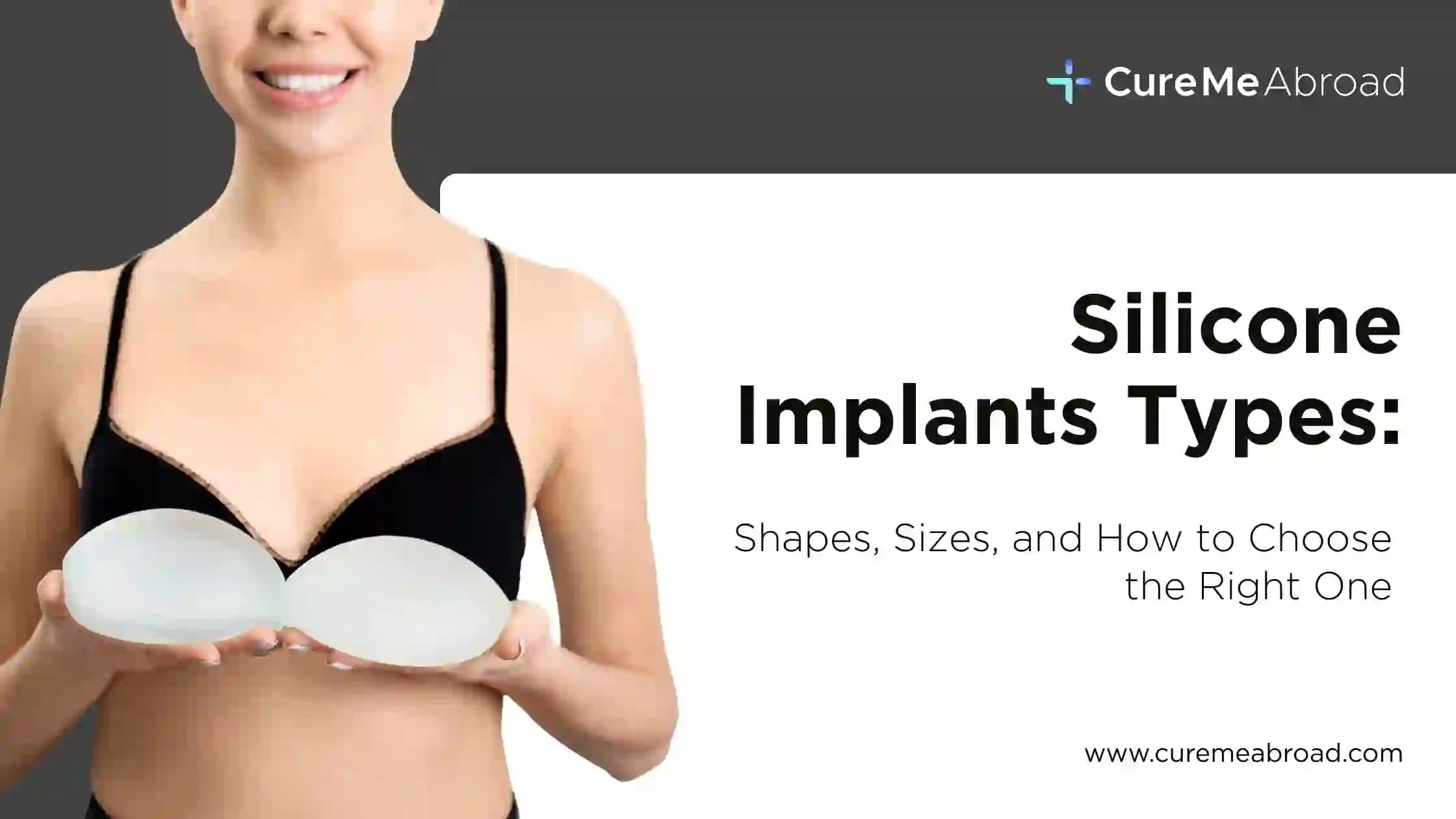
Breast augmentation remains one of the most popular cosmetic procedures worldwide. A common question patients ask is: what are the different types of silicone implants available today?
Understanding implant types is essential because the shape, size, texture, and projection of silicone implants directly affect the final breast appearance. Modern implants offer options tailored to different body types, aesthetic goals, and surgical needs.
What Are Silicone Breast Implants?
Silicone breast implants are medical devices filled with cohesive silicone gel, surgically placed under the breast tissue or chest muscles to:
- Increase breast size
- Restore volume
- Improve breast shape
Key Characteristics:
- Soft and natural feel
- Realistic breast movement
- Various shapes and profiles
- Lower risk of visible rippling than saline implants
- Widely used in both augmentation and reconstruction
Modern silicone implants are often called "gummy bear implants" due to their cohesive gel structure that maintains shape even if the shell is damaged.
Main Silicone Implant Types
Surgeons categorize implants by shape, texture, and projection.
1. Round Silicone Implants
Features:
- Symmetrical circular shape
- Adds fullness to upper breast
- Provides noticeable cleavage
- Low risk of distortion if rotated
Best For:
- Fuller, lifted appearance
- Upper breast volume
- Classic augmented look
Round implants are consistent and less affected by rotation.
2. Anatomical (Teardrop) Silicone Implants
Features:
- Teardrop shape (more volume at bottom)
- Natural breast contour
- Often textured to prevent rotation
Best For:
- Subtle, natural-looking results
- Gentle breast slope
- Minimal upper pole fullness
Anatomical implants must stay properly positioned, as rotation can affect breast shape.
Silicone Implant Texture Types
1. Smooth Implants
- Soft outer shell
- Allows natural movement
Advantages:
- Softer feel
- Natural movement
- Lower rippling risk
Considerations:
- Slightly higher risk of implant movement or rotation
2. Textured Implants
- Rough surface adheres to surrounding tissue
Advantages:
- Reduced movement
- Stable positioning
- Often used for anatomical implants
Considerations:
- Slightly firmer feel
- Rare association with BIA-ALCL (a lymphoma)
Surgeons help determine which texture is safer and suitable for your anatomy.
Silicone Implant Sizes
Silicone implants are measured in cubic centimeters (cc).
| Implant Size (cc) | Typical Result |
|---|---|
| 150–200 cc | Subtle enhancement |
| 200–300 cc | Moderate increase |
| 300–400 cc | Noticeable augmentation |
| 400–600 cc | Large breast size increase |
Final size depends on chest width, existing tissue, skin elasticity, implant profile, and placement.
Implant Profiles: Low, Moderate, and High
Implant profile determines how far the breast projects from the chest.
Low Profile
- Wide base, minimal projection
- Subtle enhancement
- Best for wide chests wanting natural results
Moderate Profile
- Balanced width and projection
- Most common choice
- Natural volume without excessive projection
High Profile
- Narrow base, greater forward projection
- More dramatic appearance
- Fuller cleavage and rounder look
Factors to Consider When Choosing Silicone Implants
Body Proportions
- Height, chest width, and natural tissue
- Surgeon evaluates rib cage width, base diameter, and skin elasticity
Desired Breast Appearance
- Natural look: Anatomical, moderate profile, moderate size
- Full augmented look: Round, high profile, larger size
Lifestyle and Activity Level
- Athletes or active individuals may prefer moderate sizes and submuscular placement for comfort and natural movement
Implant Placement
- Submuscular: More natural contour, lower rippling risk
- Subglandular: Shorter recovery, suitable with enough breast tissue
Silicone vs Saline Implants
| Feature | Silicone Implants | Saline Implants |
|---|---|---|
| Feel | Very natural | Slightly firmer |
| Rippling | Less common | More common |
| Rupture Detection | MRI required | Visible deflation |
| Popularity | Most popular | Less common today |
Silicone implants are often considered the gold standard for natural results.
Safety and Longevity
- FDA-approved and extensively tested
- Typical lifespan: 10–20 years (some patients longer)
- Routine monitoring: clinical exams, ultrasound, or MRI
- Replacement only if complications occur
Possible Risks and Complications
- Capsular contracture (scar tissue tightening)
- Implant rupture
- Breast asymmetry
- Infection
- Implant shifting or rotation
Choosing a board-certified plastic surgeon significantly reduces risks.
Questions to Ask Your Surgeon
- Which implant shape suits my body best?
- What implant size will look natural?
- Smooth or textured?
- Recommended implant profile?
- How long is recovery?
A detailed consultation ensures realistic expectations and satisfying results.
Final Thoughts
Understanding silicone implant types is crucial for safe and aesthetic breast augmentation.
Key Takeaways:
- Round implants: fuller upper breast
- Teardrop implants: natural slope
- Implant size: determines volume
- Implant profile: controls projection
- Surface texture: affects stability and movement
The best choice depends on body structure, lifestyle, and desired appearance. Consulting an experienced plastic surgeon ensures natural-looking, long-lasting results.