



Silicone breast implants are widely used in breast augmentation and reconstruction. While many patients are satisfied for years, some eventually decide to remove silicone implants due to medical, cosmetic, or personal reasons.
Also called breast implant explant surgery, implant removal is safe and commonly performed by board-certified plastic surgeons.
What Are Silicone Breast Implants?
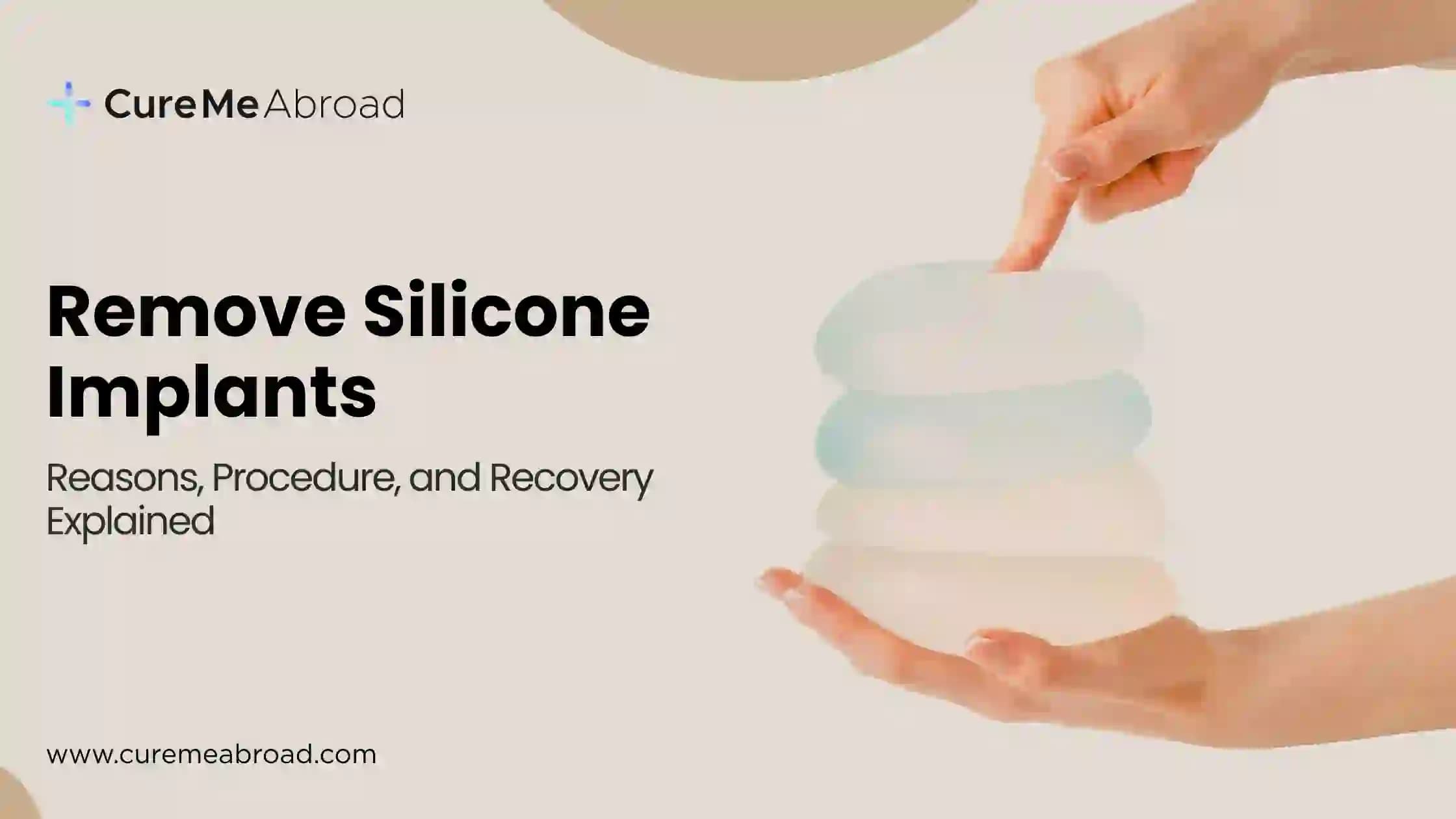
Silicone implants are devices used to enhance or restore breast size and shape. They consist of:
- A silicone outer shell
- Filled with cohesive silicone gel
Benefits of silicone implants:
- Natural look and feel
- Less visible rippling compared to saline implants
- Long-lasting results
Silicone implants are not lifetime devices; removal may be considered over time.
Types of Silicone Implants
Understanding implant types helps patients evaluate removal options:
1. Traditional Silicone Gel Implants
- Soft and flexible
- Natural texture and appearance
- Require monitoring for “silent rupture”
2. Gummy Bear Implants (Form-Stable)
- Thicker cohesive gel
- Maintains shape even if shell breaks
- Natural teardrop contour
- Lower risk of gel leakage
3. Round Silicone Implants
- Symmetrical shape
- Fuller upper-breast appearance
- Available in different projections
Reasons for Silicone Implant Removal
1. Implant Rupture
- Silicone ruptures may be silent
- Signs: shape changes, pain, swelling, hardening
2. Capsular Contracture
- Scar tissue tightens around the implant
- Causes: breast pain, firmness, distortion
3. Breast Implant Illness (BII)
- Symptoms may include:
- Chronic fatigue
- Joint pain
- Brain fog
- Skin rashes
4. Cosmetic or Lifestyle Changes
- Desire for smaller breasts
- Aging, sagging, or pregnancy changes
- Natural body aesthetic preference
5. Implant Age
- Typical lifespan: 10–20 years
- Removal or replacement may be recommended as implants age
Silicone Implant Removal Procedure
Also called explant surgery, performed under general anesthesia.
Step-by-Step:
- Anesthesia: General anesthesia ensures comfort
- Incision: Often uses the original augmentation incision
- Implant Removal: Carefully removed from the breast pocket
- Capsule Removal (if needed): Scar tissue may be removed
- Breast Reshaping: Optional procedures:
- Breast lift (mastopexy)
- Fat transfer
- Implant replacement
- Closure: Sutures and surgical dressings applied
Duration: 1–3 hours depending on complexity
Types of Removal Procedures
| Procedure Type | Description |
|---|---|
| Simple Implant Removal | Only the implant is removed; capsule remains |
| Capsulectomy | Implant + surrounding scar tissue removed |
| En Bloc Capsulectomy | Implant + capsule removed together as one piece; sometimes requested for BII |
Recovery After Silicone Implant Removal
Immediate Recovery (First Week)
- Swelling, mild pain, bruising, tightness
- Recommendations: supportive bra, limited movement, pain medication
Short-Term Recovery (2–4 Weeks)
- Resume daily activities
- Avoid: heavy lifting, intense exercise, strenuous arm movements
Full Healing (3–6 Months)
- Swelling decreases
- Scars fade
- Breast tissue settles naturally
- Optional breast lift for improved contour
Risks and Complications
- Infection
- Bleeding
- Changes in breast shape
- Loose or sagging skin
- Temporary numbness
Choosing an experienced board-certified plastic surgeon reduces risks significantly.
Breast Appearance After Implant Removal
Factors affecting appearance:
- Original implant size
- Skin elasticity
- Age
- Duration implants were in place
Possible outcomes:
- Smaller breasts
- Mild sagging
- Natural breast contour
Optional procedures post-removal:
- Breast lift
- Fat grafting
- Implant replacement
Who Is a Good Candidate?
- Experiencing implant complications
- Ruptured implants
- Desire a natural appearance
- Symptoms linked to implants
- No longer want implants
A consultation with a plastic surgeon determines the best approach.
Frequently Asked Questions
Do silicone implants need removal eventually?
- Not always. Many last decades, but regular monitoring is essential.
Is silicone implant removal painful?
- Moderate discomfort, manageable with medication and rest.
Can implants be replaced during removal?
- Yes, many patients choose simultaneous replacement.
Will insurance cover implant removal?
- May cover medically necessary cases (rupture, capsular contracture).
Final Thoughts
Deciding to remove silicone implants is a personal choice influenced by:
- Health concerns
- Lifestyle changes
- Cosmetic preferences
Understanding implant types, reasons for removal, procedures, and recovery ensures informed decision-making.
Consulting a board-certified plastic surgeon is essential to determine the safest and most effective treatment plan.
References
- Alabdulkarim, A., et al. (2025). Comprehensive systematic review of breast implant illness. Aesthetic Plastic Surgery. DOI
- Benito-Ruiz, J. (2025). Breast implant removal-only: The role of targeted compression. Aesthetic Plastic Surgery, 49(1), 224–233. DOI
- Perrotta, R. E., et al. (2025). Incidence of long-term complications in breast implant prostheses. Prosthesis, 7(2), 38. DOI
- Eisenberg, T. S., et al. (2025). Round smooth saline breast implant explantation: Reasons and management. Aesthetic Plastic Surgery. DOI