




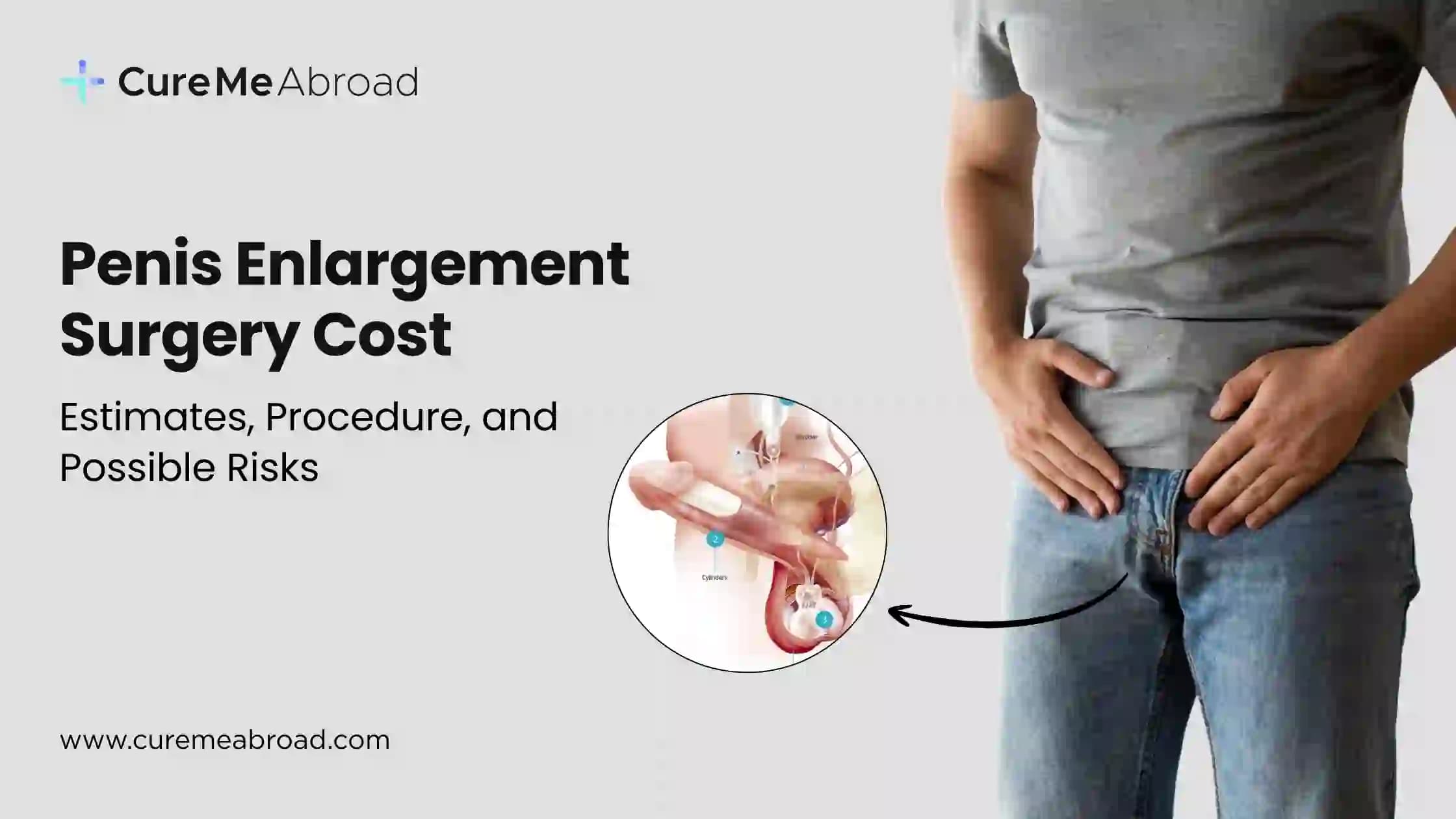
Starting at $5,000, penis enlargement procedures can rise to $20,000 or more depending on the method and location. Clinically referred to as phalloplasty, these procedures aim to increase length, girth, or both. While cost is a major factor, potential health risks must also be carefully considered before making a decision.
What Is Penis Enlargement Surgery?
Penis enlargement surgery includes procedures designed to increase penile size, either in length, thickness, or both. These are typically elective and cosmetic rather than medically necessary.
Research suggests that many men seek these procedures despite having measurements within normal ranges. The average erect length is approximately 5.1 to 5.5 inches, but personal perception often influences decisions.
Types of Penis Enlargement Surgery Procedures
Penuma Implant Surgery
This procedure uses a curved silicone implant placed under the penile skin to enhance girth and flaccid length. It is designed for cosmetic enhancement and does not treat erectile dysfunction.
Penile Suspensory Ligament Surgery
This surgery involves cutting the suspensory ligament, allowing more of the internal penis to extend outward.
- Flaccid length increase: ~0.5 to 1 inch
- Erect length: Usually unchanged
Sometimes combined with fat grafting to improve results.
Fat Grafting (Fat Transfer)
Fat is removed from areas like the abdomen or thighs and injected into the penis to increase girth.
- Temporary results due to fat reabsorption (20%–80%)
- May require repeat procedures
Silicone Implants (Custom)
Some surgeons offer customized implants or dermal grafts for girth enhancement. These are cosmetic and may carry higher complication risks.
Penis Enlargement Surgery Cost: What to Expect
Penuma Implant Surgery Cost
- $13,000 to $26,000 (USA)
- Includes implant, surgeon fees, anesthesia, and follow-ups
Suspensory Ligament Surgery Cost
- $5,000 to $10,000
- Combined procedures: $8,000 to $15,000
Fat Grafting Cost
- $6,000 to $12,000
- Touch-ups: $2,000 to $5,000
International Cost Comparison
- India: $2,000 to $6,000
- Turkey: $3,000 to $8,000
- Thailand: $4,000 to $9,000
- Mexico: $4,500 to $10,000
- South Korea: $5,000 to $12,000
Note: Travel, accommodation, and recovery stay costs should be included.
Factors That Affect Surgery Cost
- Location: Urban centers cost 20%–40% more
- Facility type: Hospitals vs clinics
- Surgeon expertise: Highly experienced surgeons charge more
- Procedure complexity: Implants cost more than ligament release
- Anesthesia type: General anesthesia increases cost
Does Insurance Cover Penis Enlargement Surgery?
No. These procedures are considered cosmetic and elective.
Exceptions may include:
- Micropenis
- Severe Peyronie’s disease
- Trauma-related reconstruction
Even then, coverage is usually partial and limited to medical necessity.
How Is Penis Enlargement Surgery Performed?
Pre-Procedure
- Medical evaluation and lab tests
- Medication adjustments
- Psychological screening (if needed)
Surgical Process
- Anesthesia (local or general)
- Procedure varies:
- Ligament release: incision and ligament cutting
- Fat grafting: liposuction + injection
- Implant: placement under skin
Duration: 1 to 3 hours, typically outpatient.
Post-Operative Care
- Pain management and antibiotics
- Avoid physical strain and sexual activity for 4–6 weeks
- Regular follow-ups
Risks and Complications
- Infection (1%–5%)
- Scarring and curvature
- Nerve damage (possible permanent sensation loss)
- Bleeding or hematoma
- Asymmetry (common with fat grafting)
- Implant complications (migration, extrusion)
Side Effects
- Swelling and bruising (peak around day 3)
- Pain (managed with medication)
- Temporary numbness or hypersensitivity
- Possible erectile changes
- Lump formation (fat grafting)
Dissatisfaction rates range from 20% to 40%, often due to unrealistic expectations.
Recovery Timeline
- Week 1: Swelling and discomfort
- Week 2: Light activity resumes
- Weeks 3–4: Gradual return to routine
- Weeks 6–8: Resume sexual activity
- 3–6 months: Final results visible
Expected Results
- Flaccid length gain: 0.5 to 1.5 inches
- Girth gain: ~0.5 to 1 inch (long-term)
- Erect size: Minimal change
Satisfaction rates: 35% to 65%
Who Is a Good Candidate?
- Healthy adults with realistic expectations
- Normal anatomy confirmed by a doctor
- No untreated psychological concerns
- Fully informed about risks and outcomes
Not suitable for:
- Poor wound healing conditions
- Active infections
- Uncontrolled diabetes
- Unrealistic expectations
Non-Surgical Alternatives
- Traction devices: May increase length gradually (0.5–1 inch)
- Vacuum pumps: Temporary enlargement
- Hyaluronic acid fillers: Temporary girth enhancement (6–18 months)
- Weight loss: Can reveal hidden length
- Counseling: Helps address body image concerns
Frequently Asked Questions
How much does penis enlargement surgery cost?
$5,000 to $26,000 in the U.S., depending on procedure type.
Is it covered by insurance?
No, except in rare medically necessary cases.
How long do results last?
- Implants: Permanent (unless removed)
- Ligament release: Permanent (if no reattachment)
- Fat grafting: Variable
What is recovery time?
- Work: ~1 week
- Full recovery: 6–8 weeks
- Final results: 3–6 months
Are financing options available?
Yes, many clinics offer installment plans or medical financing.
Conclusion
Penis enlargement surgery is a complex decision involving cost, expectations, and medical risks. While procedures can provide modest improvements, complications and dissatisfaction are not uncommon.
Costs range from $5,000 to $26,000 in the U.S. and $2,000 to $12,000 internationally, with most insurance plans not covering these procedures.
Non-surgical options may offer safer alternatives with fewer risks. Anyone considering surgery should consult a qualified specialist and carefully weigh the benefits against potential complications before proceeding.
References
- Veale, D., et al. (2015). BJU International.
- Shaeer, O., & Shaeer, K. (2016). Journal of Sexual Medicine.
- Hehemann, M. C., et al. (2020). Current Urology Reports.
- Oderda, M., & Gontero, P. (2019). BJU International.
- Elist, J. (2018). Aesthetic Surgery Journal.
- American Society of Plastic Surgeons (2023).