




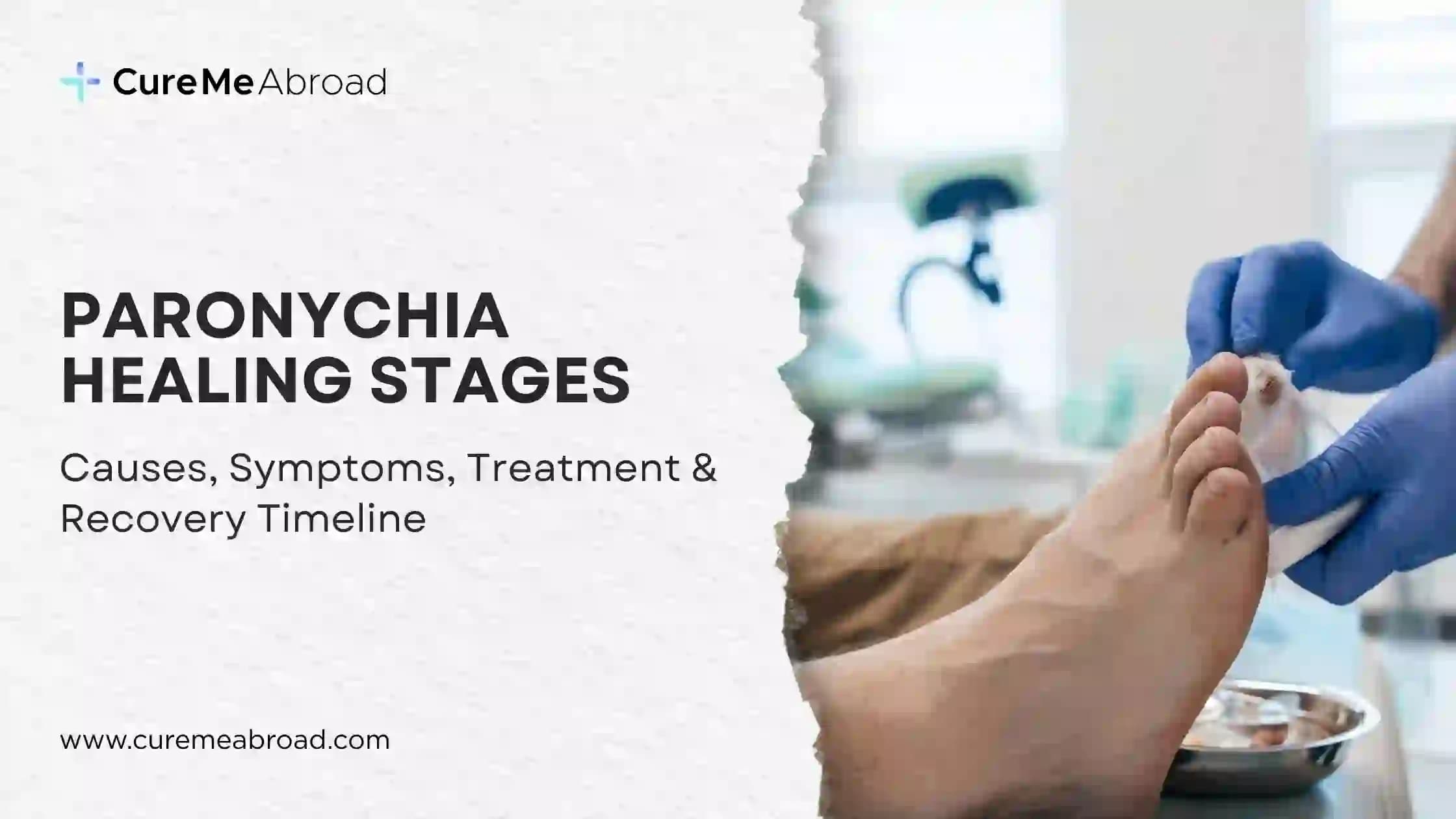
The progression of the healing process of paronychia occurs in a predictable manner; that is, from inflammation to total repair of tissue, and is useful for both patients and their caregivers when managing this common nail infection effectively. Paronychia is an infection of the skin around the nail of a finger or toe and affects millions of people every year. Most cases of paronychia will completely heal with appropriate treatment in about 1-2 weeks, although those cases classified as chronic will likely be managed for a longer time period.
What Is Paronychia (Nail Infection)?
Paronychia (pair-oh-nik-eh-uh) is an infection of the periungual soft tissue located around the edge of the fingernail or toenail. This type of infection can occur in anyone at any time and is one of the most common hand infections treated by a family doctor.
Typically, an infection occurs when bacteria, fungi, or a combination of the two are present. American Family Physician reports that paronychia accounts for a significant number of hand infections treated in outpatient clinics every year. A mild nail infection if left untreated, may develop into a dangerous abscess.
Types of Paronychia
Acute Paronychia
Acute paronychia occurs quickly - generally in just a few hours to a few days after an injury or trauma to the nail fold. More than likely, acute paronychia results from the bacteria Staphylococcus aureus (which may include MRSA). Inflammation occurs - there is redness, swelling, heat, and pain at the site on one side of the nail as a result of this bacterial infection.
An acute case will typically occur due to a bite to the nail; sucking on the fingers, over-aggressive manicure, or a hangnail that has become infected. A rapid onset of pus or purulent discharge will also be present, and if not drained or treated with antibiotics, it will continue to spread to other nearby tissues.
Chronic Paronychia
Chronic paronychia will occur after weeks or months of exposure to moisture, whether through water, detergents, etc., and will mostly be due to Candida species (a type of yeast). However, bacteria can also be involved in this process.
Individuals who have frequent hand contact with water, detergents, or other wet conditions tend to experience chronic paronychia; i.e., those working in areas that involve extensive hand contact with these substances and conditions, including bartenders, dishwashers, healthcare professionals, and housewives/homemakers.
The main difference between the chronic and acute forms of paronychia is the pain experienced in each; while the acute form is typically painful, the chronic form is usually less painful than its counterpart but much longer lasting. In chronic paronychia, the swelling of the skin at the base of the fingernail results in the formation of pockets between the skin and the fingernail plate, allowing for the growth of microorganisms. These same pockets may eventually result in discolored nails and/or an increase in the thickness of the nail plate.
What Causes Paronychia?
Common Risk Factors for Nail Infections
The most commonly identified risk factors for developing paronychia are listed below:
- Trauma to the nail — Biting your nails, cutting your nails too short, or forcing back the cuticles.
- Prolonged exposure to chemicals or water — Working in wet environments (wet work), domestic wet work.
- Diabetes Mellitus — Impaired immune function and impaired ability to heal wounds.
- Immunosuppression — HIV, Chemotherapy, Steroid use for prolonged periods.
- Ingrown nails — Toenails have a higher risk than fingernails.
- Certain medications — Some Antiretroviral Drugs and Retinoids have been shown to cause Paronychia as a side effect.
How Does Paronychia Develop?
Paronychia occurs due to a disruption in the natural barrier that exists between the nail fold and the nail plate. That barrier — the cuticle — naturally creates a protective seal against pathogens. When that barrier is compromised via trauma, prolonged exposure to moisture (maceration), or chemical irritation, bacteria or fungi may then colonize the space between the nail fold and the nail plate. At that time, the body mounts an inflammatory response to the presence of the pathogen, and white blood cells migrate to the affected area. If the amount of pathogens present exceeds the local defense mechanisms, an abscess (pocket of pus) will form. Therefore, the progression of paronychia stages corresponds directly to the progression of the disease process, beginning as an early inflammatory response to possibly developing into an abscess and then either resolving or progressing further.
Symptoms of Paronychia to Watch For
Acute Paronychia Symptoms
- The nail fold has a significant amount of redness & swelling on one side.
- There is throbbing pain and/or tenderness when the area is subjected to pressure.
- You can feel warmth emanating from the area where you have developed the infection.
- A pustule develops as early as 24-72 hours after infection.
- More serious or widespread cases may include fever.
Chronic Paronychia Symptoms
- Persistent swelling of the nail fold without significant pus
- Nail discoloration — yellow, green, or brown tones
- Nail ridging or thickening
- Intermittent mild pain that worsens with wet work
- Loss of the cuticle due to repeated inflammation
When Does Paronychia Require Medical Attention?
A patient should be evaluated by a doctor as soon as possible if symptoms worsen after 24-48 hours, if pus spreads beyond the nail fold, or if red streaks extend toward the finger base. Diabetic and immunocompromised patients should seek care immediately.
How Is Paronychia Diagnosed?
Paronychia is mostly a clinical diagnosis based on physical examination. Lab tests are usually unnecessary unless cases are recurrent or atypical.
Paronychia Healing Stages: What to Expect During Recovery
Stage 1 — Inflammation and Initial Infection
- Redness, swelling, tenderness
- No pus
- Duration: 1–3 days
Stage 2 — Abscess Formation or Peak Symptoms
- Pus formation
- Severe pain
- Yellow/white discoloration
- Duration: 2–5 days
Stage 3 — Drainage and Active Healing
- Abscess drains
- Pain reduces
- Continued mild discharge
- Duration: 3–7 days
Stage 4 — Tissue Repair and Nail Regrowth
- Skin heals
- Nail regrows
- Duration: 1–6 months
Treatment Options for Paronychia
Medical and Surgical Treatment
- Incision and Drainage (I&D) for abscess
- Possible nail removal in severe cases
Home Remedies for Paronychia Relief
- Warm water soaks (15–20 minutes, 3–4 times daily)
- Keep area dry
- Use antiseptics like povidone-iodine or chlorhexidine
- Use antifungal creams if needed
- Avoid draining abscess at home
Antibiotics and Medications Used to Treat Paronychia
| Medication | Type | Common Use |
|---|---|---|
| Amoxicillin-clavulanate (Augmentin) | Oral antibiotic | Broad-spectrum bacterial |
| Clindamycin | Oral antibiotic | MRSA coverage |
| TMP-SMX | Oral antibiotic | MRSA suspected |
| Mupirocin | Topical | Mild bacterial cases |
| Clotrimazole | Topical antifungal | Chronic cases |
| Fluconazole | Oral antifungal | Severe fungal |
Complications of Untreated Paronychia
- Felon (deep fingertip abscess)
- Osteomyelitis (bone infection)
- Septic arthritis
- Permanent nail damage
How to Prevent Paronychia from Recurring
- Keep hands dry
- Trim nails properly
- Avoid nail biting
- Moisturize cuticles
- Wear protective footwear
- Manage diabetes
Frequently Asked Questions About Paronychia Healing Stages
Can Paronychia Heal on Its Own?
Mild cases may resolve with home care. Abscesses require medical treatment.
How Many Days Does Paronychia Take to Heal?
- Acute: 5–14 days
- Chronic: weeks to months
What Speeds Up Healing?
- Early treatment
- Drainage of abscess
- Proper medication
- Avoid moisture
Is Paronychia Contagious?
Not directly, but causative organisms can spread through poor hygiene.
Conclusion
Recognizing the phases of paronychia helps determine when to use self-care or seek medical help. Most cases resolve fully with proper treatment and prevention strategies.
References
- Relhan V, Goel K, Bansal S, Garg VK. Management of chronic paronychia. Indian Journal of Dermatology. 2014.
- Shafritz AB, Coppage JM. Acute and chronic paronychia. JAAOS. 2014.
- Rockwell PG. American Family Physician. 2001.
- Leggit JC. American Family Physician. 2017.
- Rigopoulos D. American Family Physician. 2008.
- DermNet NZ. Paronychia — nail fold infection. 2023.