




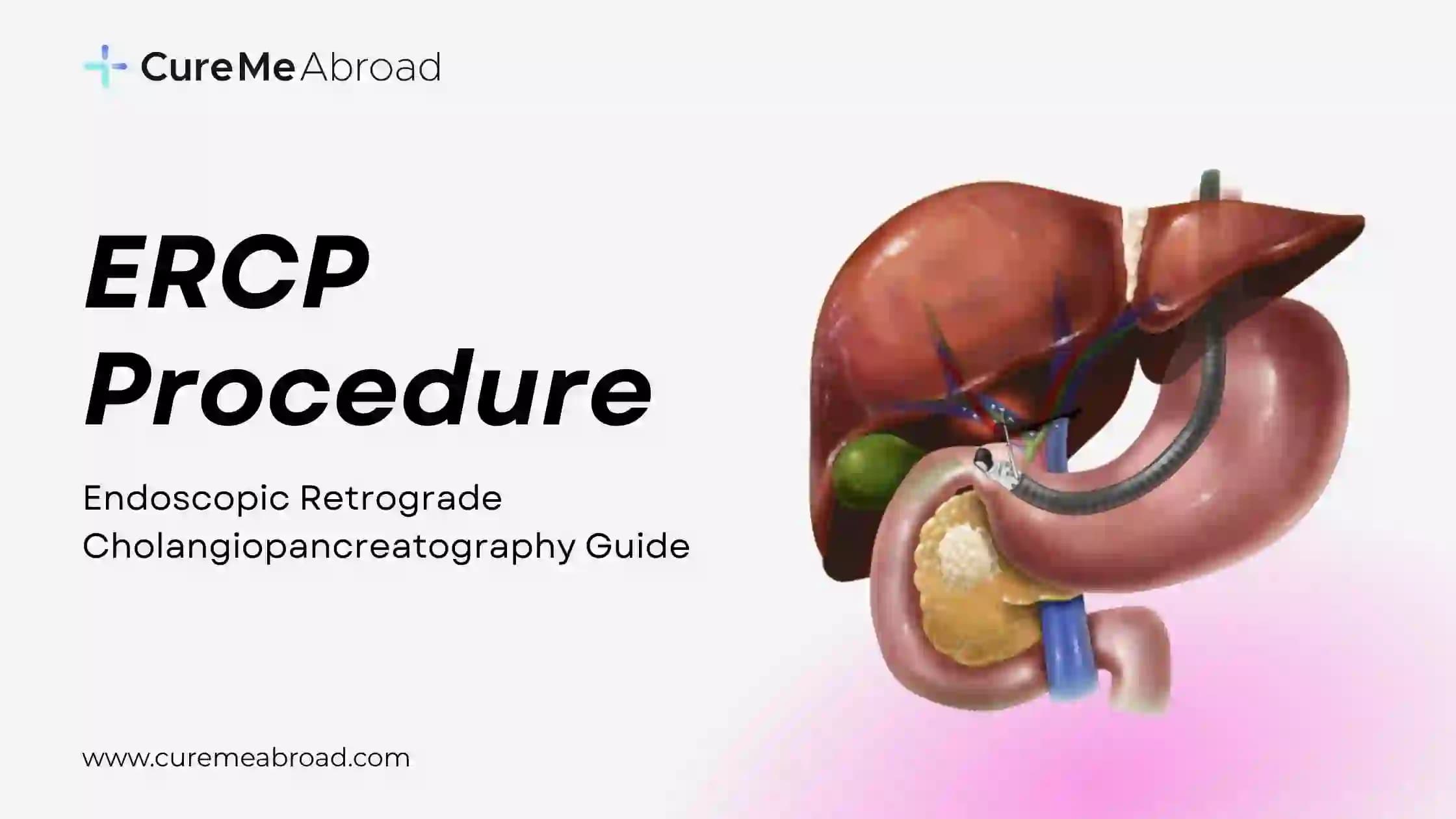
When your doctor recommends an ERCP procedure, it’s natural to feel anxious or confused. What exactly is ERCP? Is it a surgery? Is it painful? Why do you need it?
In this comprehensive guide, I’ll walk you through everything you need to know about ERCP (Endoscopic Retrograde Cholangiopancreatography) in simple, patient-friendly language so you can feel informed and confident about your care.
What Is ERCP?
ERCP (Endoscopic Retrograde Cholangiopancreatography) is a specialized medical procedure used to diagnose and treat problems in:
The bile ducts
The pancreas
The gallbladder
It combines two techniques:
Endoscopy – A flexible tube with a camera (endoscope) is passed through your mouth into the small intestine.
Fluoroscopy (X-ray imaging) – A contrast dye is injected into the bile or pancreatic ducts so they can be seen clearly on X-ray.
Unlike many imaging tests, ERCP is not just diagnostic it can also treat the problem during the same procedure.
Why Is the ERCP Procedure Done?
Doctors recommend ERCP when they suspect blockage or disease in the bile or pancreatic ducts.
Common Conditions Treated with ERCP
Gallstones stuck in the bile duct
Blocked bile ducts
Pancreatitis (inflammation of the pancreas)
Bile duct infections
Tumors of the pancreas or bile ducts
Bile leaks after surgery
If you have symptoms like yellowing of the skin (jaundice), severe abdominal pain, unexplained pancreatitis, or abnormal liver tests, your doctor may advise ERCP.
How the ERCP Procedure Works (Step-by-Step)
Understanding what happens during ERCP can help reduce anxiety.
Before the Procedure
You’ll need to:
Fast for 6–8 hours before the test
Inform your doctor about medications (especially blood thinners)
Share any allergies or medical conditions
You’ll receive sedation or anesthesia, so you won’t feel discomfort.
During the Procedure
Here’s what typically happens:
A thin flexible endoscope is inserted through your mouth.
It passes through your esophagus and stomach into the first part of the small intestine (duodenum).
A small catheter is inserted into the bile or pancreatic duct.
Contrast dye is injected.
X-ray images are taken.
If needed, treatment is performed immediately.
Treatments That Can Be Done During ERCP
Removing bile duct stones
Placing a stent to open blocked ducts
Widening narrowed ducts
Taking tissue samples (biopsy)
The procedure usually takes 30–90 minutes.
Is ERCP Painful?
Most patients do not feel pain during the procedure because they are sedated.
Afterward, you may experience:
Mild sore throat
Bloating
Mild abdominal discomfort
These symptoms usually go away within 24 hours.
ERCP vs Other Imaging Tests
Patients often ask: Why not just do an MRI or CT scan?
Here’s a helpful comparison:
| Feature | ERCP | MRCP (MRI-based) | CT Scan |
|---|---|---|---|
| Invasive? | Yes | No | No |
| Uses endoscope? | Yes | No | No |
| Can treat the problem? | Yes | No | No |
| Uses contrast dye? | Yes | Sometimes | Yes |
| Best for | Blockages & treatment | Imaging ducts | General abdominal issues |
Key Difference:
ERCP can both diagnose and treat the issue in one session. MRCP and CT scans can only diagnose.
Benefits of the ERCP Procedure
The ERCP procedure offers several advantages:
Combines diagnosis and treatment
Avoids major surgery in many cases
Minimally invasive
Faster recovery compared to open surgery
Highly effective for removing bile duct stones
For many patients, ERCP prevents the need for traditional surgery.
Risks and Possible Complications
While ERCP is generally safe, it does carry some risks.
Potential Complications
Pancreatitis (most common complication)
Bleeding
Infection
Perforation (tear in intestine)
Reaction to sedation
The overall complication rate is low, especially when performed by experienced specialists.
Who Has Higher Risk?
Patients with previous pancreatitis
Those undergoing complex procedures
Younger patients (slightly higher pancreatitis risk)
Your doctor will carefully evaluate whether ERCP is appropriate for you.
What Is ERCP Pancreatitis?
This is the most talked-about risk.
ERCP pancreatitis is inflammation of the pancreas that occurs after the procedure. Symptoms include:
Severe abdominal pain
Nausea and vomiting
Fever
Most cases are mild and treated with hospital observation and IV fluids. Severe cases are rare.
Doctors now use preventive strategies such as:
Special pancreatic stents
Rectal anti-inflammatory medications
These significantly reduce the risk.
Recovery After ERCP
Most patients go home the same day.
What to Expect After the Procedure
Rest for the remainder of the day
Avoid driving for 24 hours
Resume light meals once advised
Mild throat discomfort
Call your doctor immediately if you experience:
Severe abdominal pain
Fever
Vomiting
Black or bloody stools
Full recovery usually takes 1–3 days, unless complications occur.
Who Is a Good Candidate for ERCP?
ERCP is typically recommended for patients who:
Have confirmed bile duct stones
Have obstructive jaundice
Have pancreatic duct blockage
Need a stent placement
Have unexplained bile duct dilation
It is not usually the first test unless treatment is likely needed.
Who Should Avoid ERCP?
ERCP may not be suitable if:
You only need diagnostic imaging (MRCP may be safer)
You have severe heart or lung disease
You are at very high risk for pancreatitis
Your gastroenterologist will assess risks versus benefits.
Technology Behind ERCP
Modern ERCP uses:
High-definition endoscopes
Digital fluoroscopy
Single-use accessories (to reduce infection risk)
Advanced stenting systems
In experienced hands, this technology makes ERCP highly precise and safe.
ERCP Procedure Cost
The cost of an ERCP procedure varies depending on:
Country
Hospital type
Complexity of treatment
Need for stents or additional interventions
Insurance coverage
Estimated Cost Range
| Country | Estimated Cost |
|---|---|
| USA | $3,000 – $8,000 |
| India | $800 – $2,000 |
| UK (Private) | £2,000 – £5,000 |
Costs may increase if complications require hospitalization.
Frequently Asked Questions (FAQs)
1. How long does ERCP take?
Typically 30–90 minutes, depending on complexity.
2. Will I be awake during ERCP?
You will be sedated. Many patients don’t remember the procedure.
3. Can ERCP remove gallstones?
Yes ERCP can remove gallstones that are stuck in the bile duct (not stones inside the gallbladder itself).
4. Is ERCP considered surgery?
It is a minimally invasive endoscopic procedure not traditional open surgery.
5. How soon can I eat after ERCP?
Usually within a few hours, once sedation wears off and your doctor approves.
When Should You Call a Doctor After ERCP?
Seek urgent care if you experience:
Severe or worsening abdominal pain
Fever above 101°F (38.5°C)
Persistent vomiting
Yellowing of skin worsening
Difficulty breathing
Early treatment prevents serious complications.
Final Thoughts: Is ERCP Safe and Worth It?
For patients with bile duct or pancreatic duct problems, the ERCP procedure is often the most effective and least invasive solution.
Yes, it carries some risks but when performed by experienced gastroenterologists, it:
Avoids major surgery
Provides immediate treatment
Offers high success rates
Speeds up recovery
If your doctor has recommended ERCP, it is usually because the benefits strongly outweigh the risks.
Key Takeaway
ERCP (Endoscopic Retrograde Cholangiopancreatography) is a powerful, minimally invasive procedure used to diagnose and treat bile and pancreatic duct problems in one session. While it carries small risks, it remains one of the most effective tools in modern gastroenterology.
If you’re researching ERCP for yourself or a loved one, speak openly with your doctor about:
Why it’s recommended
Your personal risk factors
Alternative imaging options
Expected recovery
Being informed helps you make confident healthcare decisions.