




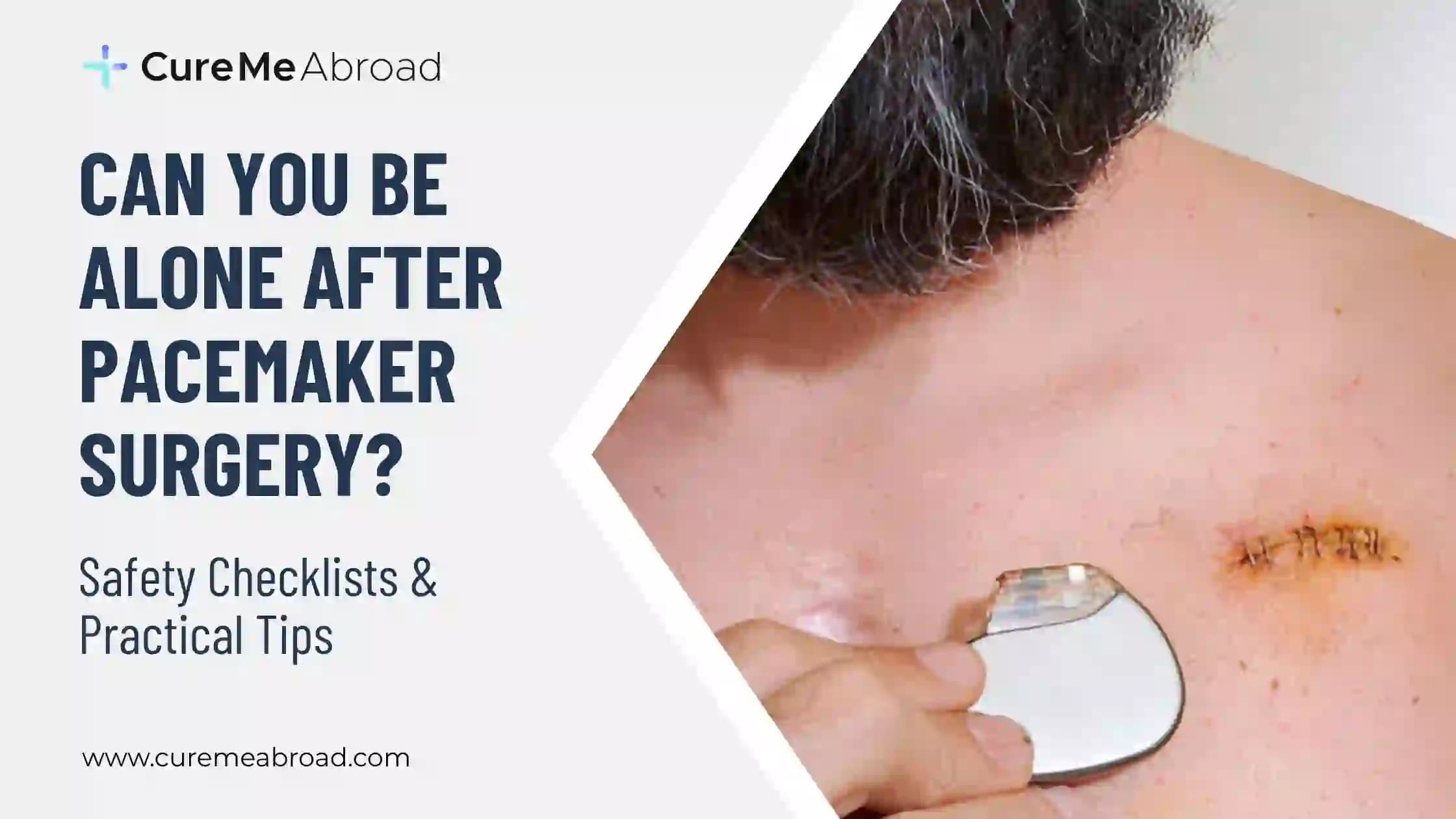
Getting a pacemaker brings peace of mind for heart rhythm issues, but recovery comes with new routines and decisions. One of the biggest questions patients ask is, can you be alone after pacemaker surgery? The good new is most people can safely be alone at home after a short initial recovery, with the right support and preparation. This guide walks through everything to consider, including must-have safety checklists and practical tips for independent living.
The First 48 Hours: Critical Support
Immediately after pacemaker surgery, it is essential to have someone stay with you for the first 24–48 hours. During this period, your body adapts to the device and the effects of anesthesia fade.
Medical teams usually recommend a responsible adult remain present in case of:
- Sudden complications
- Confusion
- Dizziness or discomfort
When Is It Safe to Be Alone?
Most patients can safely be alone at home once they:
- Feel stable
- Can manage basic daily activities
This usually happens after the first 1–2 days, but your doctor’s advice always takes priority.
Safety Checklist: Can You Be Alone?
| Safety Factor | Recommendation | Notes |
|---|---|---|
| Initial monitoring | Visitor/relative for 48 hours | Watch for confusion, pain, dizziness |
| Emergency contacts | Program into phone | Keep phone charged and nearby |
| Medical support | List of doctor contacts available | Know nearest ER location |
| Check-ins | Planned calls with friends/family | Daily check at first |
| Physical ability | Walk, eat, use bathroom easily | Avoid falls or weakness |
| Medication management | Organized and accessible | Use pillbox reminders |
Warning Signs to Watch After Surgery
Being alone is generally safe after the critical window, as long as you know what red flags require medical attention.
Seek help immediately if you notice:
- Severe pain or swelling at the pacemaker site
- Redness, drainage, or fever
- Dizziness or fainting
- Trouble breathing
- Persistent hiccups or chest pain
Avoid staying alone if any of these symptoms occur until evaluated by a healthcare provider.
Resuming Daily Life: What’s Allowed and What Isn’t?
Recovery timelines vary, but general guidance includes:
- Light walking and basic activities within a few days
- Avoid heavy lifting and raising your arm above shoulder level (pacemaker side) for 4–6 weeks
- Driving resumes after 1–2 weeks (doctor approval required)
- Gradual return to exercise once comfortable
Activity Timeline After Surgery
| Activity | When to Resume | Safety Notes |
|---|---|---|
| Light walking | Day after surgery | Start slow, short walks |
| Driving | 1–2 weeks | Only with doctor approval |
| Light chores | 2–3 days | Avoid upper body strain |
| Work | 1–4 weeks | Desk jobs sooner |
| Heavy lifting | After 6 weeks | Avoid >10 lbs |
| Exercise | 4–6 weeks | Avoid intense activity |
| Sexual activity | 2–4 weeks | Avoid chest pressure |
Home Adjustments for Safety and Comfort
Simple home changes can improve safety while recovering alone:
- Keep medications and essentials within easy reach
- Remove tripping hazards (cords, rugs)
- Always keep a phone nearby
- Store wound care supplies accessibly
- Inform a neighbor or friend for regular check-ins
- Keep your pacemaker ID card on you
Pacemaker Care Basics: What to Remember Alone
- Keep incision clean and dry for 4–5 days
- Wear loose clothing to avoid irritation
- Keep electronics at least 6 inches away from the pacemaker
- Avoid strong magnets and consult your doctor before MRI or similar procedures
FAQ: Your Top Questions Answered
Can you be alone at home after pacemaker surgery, and what signs should you watch for?
You can usually be alone after 24–48 hours, provided you feel stable and have support in place. Watch for infection, chest pain, dizziness, or irregular heartbeats and contact your doctor if they occur.
How soon can you walk, drive, and exercise after pacemaker implantation?
- Walking: Usually the next day
- Driving: After 1–2 weeks (doctor approval required)
- Exercise: Gradually after 4–6 weeks
What movements should you avoid?
- Heavy lifting
- Raising the arm above shoulder level (pacemaker side)
- Strenuous activity for 4–6 weeks
Is it safe to resume sexual activity?
Yes, usually within 2–4 weeks, as long as the surgical site is healed and no pressure is applied to the chest.
When should you call your doctor?
Contact your doctor if you experience:
- Fever
- Severe pain
- Swelling or redness
- Drainage at incision site
- Persistent dizziness
- Any unusual symptoms
Final Thoughts
The answer to can you be alone after pacemaker surgery is: Yes, with proper preparation and precautions.
By following safety checklists, recognizing warning signs, and making simple home adjustments, most patients regain independence within a few days.
If you ever feel unsure, your healthcare team is always just a call away.