


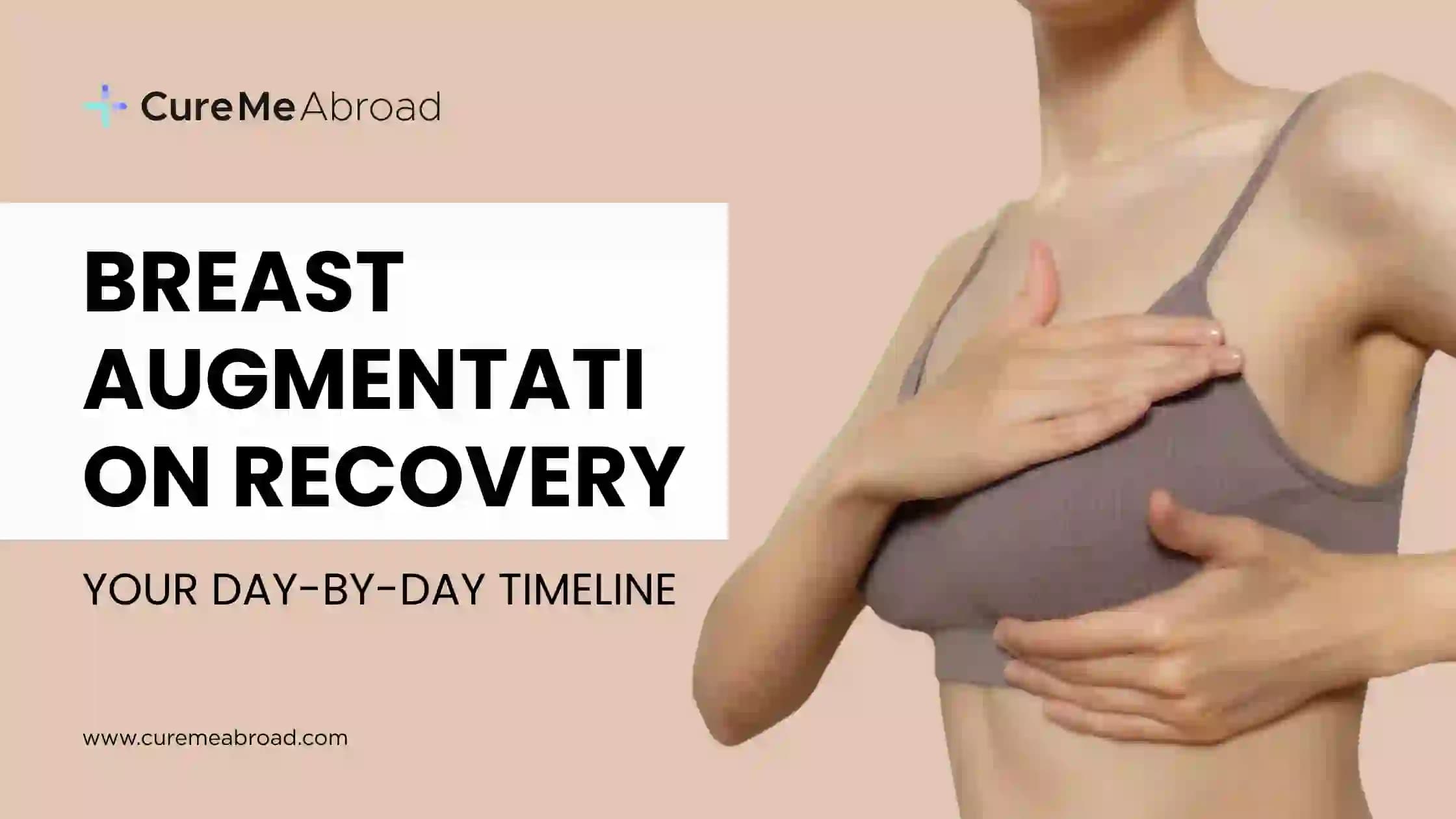
Breast augmentation surgery is a major turning point in a person's life that not only changes her physical appearance but also gives her a big boost in self-confidence. Most of the time, the choice of implants and the surgical procedures get all the glory, while the recovery process is totally overlooked, despite it being equally important for a safe and durable result.
Properly following the breast augmentation recovery process day by day is the first step towards a great and healthy healing journey. Just like any other part of a woman's body, breasts are unique, so one can't really tell how long a recovery will last. Besides that, the time needed to recover is impacted by quite a few factors, such as the kind of surgery, the breast implants used, and the body's ability to heal.
This article explains the breast augmentation recovery process from beginning to end in very simple language.
What to Expect Right After Breast Augmentation Surgery
Some swelling, tightness, and pain in the breast area after breast augmentation surgery are normal and to be expected. The first few days of recovery are very crucial as the body gets started on the healing process.
Most patients have pain and soreness to a mild or moderate extent, which is actually the normal reaction of the body to surgery. Drugs for pain relief prescribed by the surgeon would efficiently help to manage the pain.
Now and then, there may be a sensation of the nerves being hit or tingling as the nerves start the process of healing and getting used to it.
Tips for the First Few Days
- Avoid tiring activities and limit movement
- Wear a breast augmentation recovery bra
- Use a breast stabilizer band if recommended
- Keep the upper body elevated, even during sleep
5–7 Days Post-Operation
Usually, the area treated is going to be quite tender and painful at this stage of healing. If the doctor approves, you may go for short, slow walks.
- Avoid heavy lifting
- Do not raise arms above the head
- Gentle breast massage may be recommended
Week 2
By week 2 after surgery, many patients feel little to no pain or discomfort. Some may return to work (non-physical jobs).
- May switch to a loose, non-underwired bra
- Avoid lifting arms above shoulders
- Resume daily activities gradually
- Avoid strenuous upper body movements
Week 3–4
By this stage, implants begin settling into a more natural position.
- Light exercise may be allowed
- Avoid chest pressure activities
- No upper-body weight training
Week 5–6
Most swelling significantly reduces, and results become more visible.
- Gradual return to workouts (if approved)
- Improved breast shape and positioning
- Follow-up assessment with doctor
After 6 weeks:
- Scars begin fading (full fading may take up to a year)
- Range of motion improves
- Full activity may resume in 10–12 weeks
Diet to Follow During Breast Augmentation Recovery
Protein-Rich Foods
Protein helps repair tissues and speeds up healing. Examples include fish, chicken, eggs, tofu, legumes, and dairy products.
Fruits and Vegetables
Rich in vitamins and antioxidants, they help reduce inflammation and support immunity. Vitamin C-rich foods aid collagen production.
Whole Grains
Provide energy and support digestion. Examples include rice, oats, quinoa, and whole wheat bread.
Follow-Up Visits and Monitoring
Follow-up visits are extremely important after surgery. They allow the surgeon to:
- Check healing progress
- Ensure implant positioning
- Address any symptoms or concerns
Patients should report any abnormal symptoms such as pain, redness, or fever immediately.
Potential Complications During the Recovery Process
Although breast augmentation is generally safe, complications may include:
- Infection
- Swelling
- Seroma
- Delayed wound healing
Early detection and proper care help manage these issues effectively.
Long-Term Healing and Final Outcomes
Long-term healing goes beyond the initial weeks. It may take several months for:
- Breasts to soften
- Scars to fade
- Implants to fully settle
Wearing supportive bras and attending follow-ups is essential for optimal results.
Tips For a Smooth Breast Augmentation Recovery
- Follow your doctor’s instructions strictly
- Wear a support bra as advised
- Stay hydrated
- Avoid smoking and alcohol
- Get enough sleep
- Increase activity levels gradually
Don’ts During Breast Augmentation Recovery
- Do not sleep on your stomach
- Avoid heavy lifting or strength training
- Avoid swimming (pools, tubs, oceans)
- Do not smoke or use tobacco
- Avoid sudden return to full activity
- Do not overexert yourself
Conclusion
Recovery following breast augmentation is a gradual and personalized process. While pain, swelling, and limited movement are common in the first few weeks, these symptoms typically subside with proper care.
Following your surgeon’s advice, attending follow-up visits, and allowing your body adequate healing time are key to achieving a safe and successful outcome.
Frequently Asked Questions
How long does recovery take?
Initial recovery takes 1–2 weeks, while full recovery may take a few months.
Is pain normal after surgery?
Yes, especially in the first few days. It can be managed with medication.
When can normal activities resume?
Light activities can begin within days, but strenuous exercise should be avoided for several weeks.
How long should a surgical bra be worn?
Most patients wear it continuously for a few weeks.
Will scars be visible?
Yes, but they fade over time with proper care.
References
- Pristyn Care (2026)
- HR Plastic Surgery (2025)
- Dr Joseph Rizk