




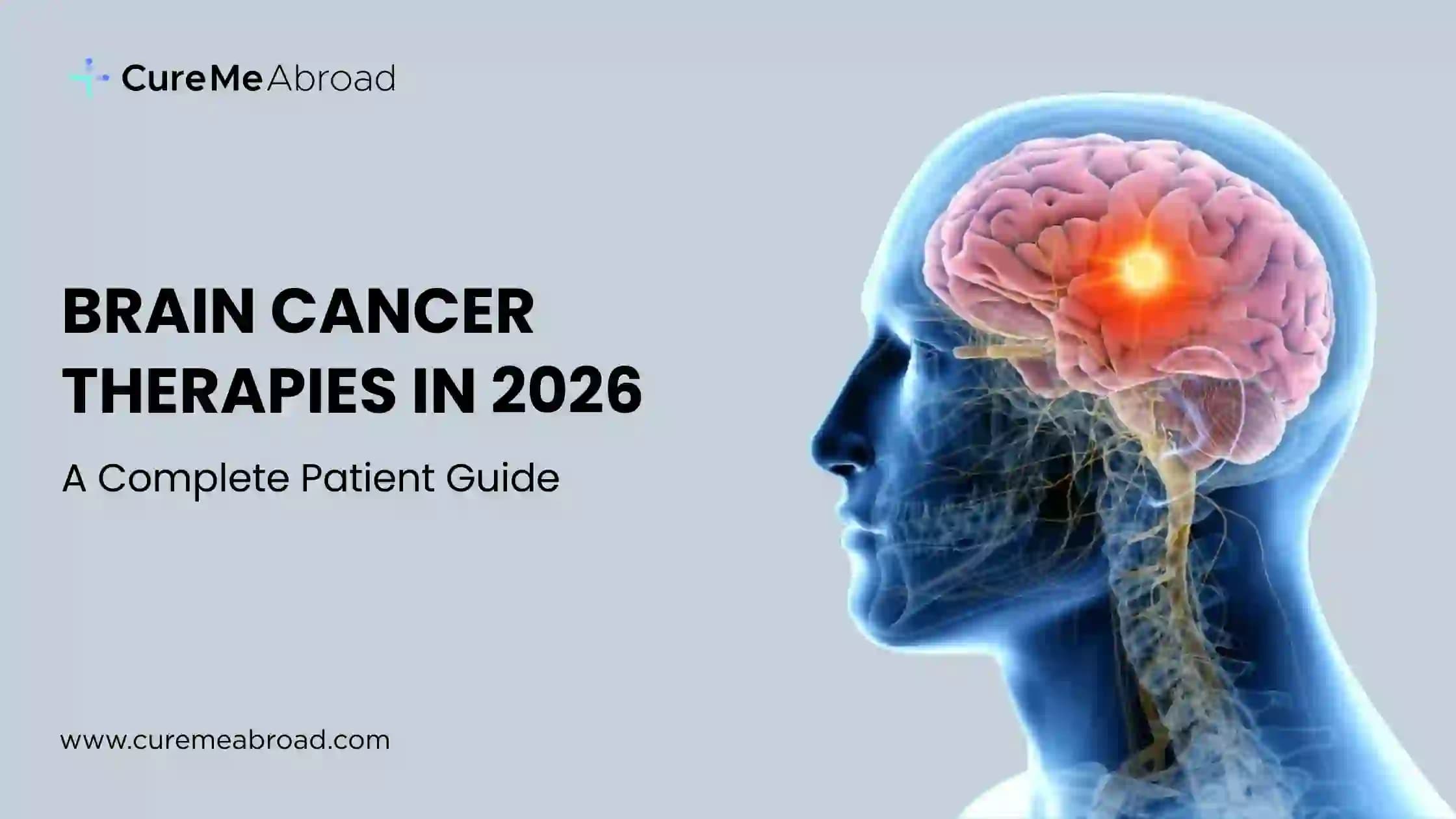
Getting a diagnosis of brain cancer is a tough thing for patients and their families. It makes them wonder about a lot of things, like whether they survive, what treatment options are available, and how it will affect their life. Brain cancer is very hard to treat because the brain is a complicated thing, and it does not heal very easily.
In the last twenty years, the treatment of brain cancer has gotten a lot better. We have seen a lot of progress in the field of neurosurgery. There have also been improvements in radiation technology. Doctors have also made progress with chemotherapy. Then there is immunotherapy. All of these advances in neurosurgery and other areas have helped many patients live longer and feel better.
There is no universal treatment that fits all brain cancer patients alike. Different treatment modalities have been used to cater to the patient's brain cancer type, grade, molecular characteristics, site, patient's age, neurological function, and overall health. This article presents a detailed discussion of all current brain tumour treatment modalities, including traditional brain cancer therapies and innovative immunologic therapies.
Understanding Brain Cancer and Treatment Planning
A brain tumor is a bunch of cells that grow in the brain or near the brain. Brain tumors can happen in the brain itself or in the tissues around the brain. There are some areas near the brain where brain tumors can occur. These areas include the nerves, the pituitary gland, the pineal gland, and the thin layers that cover the brain. Brain tumors are a problem that affects the brain and the areas around it.
There are two types of brain tumors:
Benign Brain Tumors
These are tumors that're not cancer. They do not move to parts of the body. Benign brain tumors can be very bad even though they are not cancerous. The location of brain tumors is a big deal. It can cause problems because it puts pressure on the surrounding brain tissues.
Malignant Brain Tumors
These tumors are a kind of cancer that can spread to other parts of the brain or body. Malignant tumors are capable of growing very fast and usually require a strong treatment to be stopped.
The treatment of brain tumors depends on the type and stage of the tumor, as well as the health of the patient.
Types of Brain Tumors
Gliomas
Cancers that develop from glial cells of the nervous system include the different types of gliomas, like astrocytoma, oligodendroglioma, ependymoma, and highly malignant glioblastoma.
Choroid Plexus Tumors
Neoplasms of the cerebrospinal fluid, secreting cells within the brain ventricles, are a predominant occurrence in children.
Embryonal Tumors
Severe and fast-growing pediatric brain cancers are derived from immature cells, predominantly medulloblastoma.
Germ Cell Tumors
Non-malignant tumors made up of reproductive cells, but are misplaced, generally situated near the pineal or pituitary gland.
Pineal Tumors
Cancers of the pineal gland are a center responsible for the regulation of sleep in the brain. They are malignant in children and called pineoblastoma.
Meningiomas
Malignant tumors develop from the brain's protective membranes. Usually benign and represent the most common noncancerous type.
Nerve Tumors
Non-malignant enlargements on cranial nerves, like acoustic neuromas, impair hearing and balance.
Pituitary Tumors
Tumors located in or around the pituitary gland might affect hormone secretion.
Other Rare Brain Tumors
Tumors originate from immune cells, blood vessels, bones of the skull, or connective tissue, such as primary central nervous system lymphoma.
Top Brain Cancer Therapies
Surgery
Surgery is always the first line of treatment for brain tumors among other brain cancer therapies. Even if the surgery cannot remove the tumor completely, it can still help in the following ways:
- Assist in decreasing the size of the tumor
- Alleviate symptoms
- Assist in determining which other treatments are required
The most common type of surgery performed on brain tumors is craniotomy, which is the process of opening the skull. Some types of brain tumors can be removed without damaging the brain. However, many types of tumors grow in such a way that they cannot be removed without damaging the brain
Radiation Therapy
Radiation therapy is a procedure in which X-rays and other light forms are used to kill cancer cells in a malignant tumor or stop the growth of a benign brain tumor.
Different radiation therapies can be used to treat brain tumors. These include:
External Beam Radiation Therapy
This is the most common method of radiation therapy for brain tumors. The radiation can be directed at the tumor and the nearby parts of the brain or at the whole brain. Whole brain radiation is occasionally considered when treating metastatic brain tumors, particularly in cases with multiple metastatic tumors throughout the brain, including those so small that they are undetectable on a scan.
Stereotactic Radiosurgery
This type of radiation therapy uses smaller, more precise beams of X-rays to minimize the effect of radiation on the healthy tissues. It is mainly used in the parts of the brain that are difficult to access.
Proton Therapy
Proton therapy is a form of radiation therapy in which protons, a particle, are used to deliver the radiation. For some types of tumors, proton therapy may be the right choice. It delivers less radiation to normal tissues as compared to other treatment modalities.
Chemotherapy for Brain Cancer
Chemotherapy is a process where medications are used to eradicate cancer cells.
Brain tumors are not commonly treated with chemotherapy alone, rather it is usually performed along with surgery and/or radiation. Researchers have invented different ways to deliver chemotherapy drugs to the brain. One way is through the use of Gliadel, which is a surgical implant of wafers. The surgeon applies these wafers to the edges of the tumor excision cavity in an effort to kill any leftover tumor cells.
Brain cancer patients who receive chemotherapy are mostly accompanied by chemotherapy side effects, which vary depending on the drug type, dosage, and treatment schedule. Major chemotherapy side effects are getting tired, nausea, vomiting, loss of appetite, hair loss, and becoming more susceptible to infections as the blood count is low. Moreover, patients may also exhibit cognitive impairments like issues with memory or concentration, along with headaches or worsening of neurological symptoms.
Most importantly, treatment for chemotherapy side effects should be prioritized and if management is efficient, they will be kept under control.
Targeted Brain Cancer Therapies
Targeted drug therapy works by targeting specific characteristics of cells to inhibit the growth of the tumor. Because targeted therapies do not harm healthy cells, they have fewer side effects than other treatments. Targeted therapies are specially given to metastatic brain cancer patients and frequently used in combination with other treatments, such as surgery or radiation.
Laser Interstitial Thermal Therapy for Brain Cancer
Laser interstitial thermal therapy (LITT) basically involves laser catheters, which are inserted into the tumor. It is then heated to a temperature high enough to kill the tumor.
Since the operation is minimally invasive, it practically requires only a 2-millimeter incision in the scalp and takes just a few minutes to finish. Most patients can go home the next day after the treatment and can get back to their regular activities very quickly.
At the moment, LITT is being used for primary and metastatic brain tumors, but it can also be a treatment option for patients who are refractory to stereotactic radiosurgery or radiation necrosis.
Clinical Trials in Brain Cancer Therapies
Clinical trials are one of the major types of therapeutic research. They are designed to test new drugs or diagnostic procedures on patients.
Typically, the main focus of clinical trials is to assess the safety of a new treatment or method and whether it is more effective than existing treatments.
One of the main purposes of clinical trials for malignant brain tumors is to figure out new strategies for combating them.
When you are a participant in a clinical trial, it usually means that you have to make a certain commitment and face some risks. Clinical trials might be an option for patients whose tumor has come back and/or if it is a tumor type that is known to be highly aggressive and for which there are no cures with current treatments.
Emerging and Experimental Brain Cancer Therapies
Research is ongoing to increase the number of available treatment options.
- Gene therapy
- Oncolytic viruses
- Nanoparticle drug delivery
- Blood-brain barrier disruption methods
- Personalized neoantigen vaccines
Survival Outcomes and Prognosis
Survival rates differ greatly depending on the type of tumor and treatment response.
- Low-grade gliomas can have survival rates measured in decades
- Glioblastoma is still an aggressive tumor, but survival rates have improved with multimodal treatment
- Survival rates for brain metastases vary depending on systemic control of the disease
Follow-up care and imaging studies are crucial in monitoring recurrence and treatment response.
Brain cancer therapies have drastically changed over the years from just surgical and radiation therapies to very complex treatment methods such as molecular biology and precision medicine. Locating a brain tumor is still a major challenge for treatment; however, advancements in neurosurgery, precision of radiation, systemic therapies, and immunotherapy have undoubtedly increased the survival and improved the quality of life of many patients.
The main pillars of future progress will be early cancer detection, personalizing treatment, ensuring the availability of specialized care, and continuous research.
Being knowledgeable about the various treatment options for brain cancer will help cancer patients and their families to make well-informed decisions, and it will also give them the courage and hope to fight this devastating disease.
Frequently Asked Questions
What is the most effective treatment for brain cancer?
The effectiveness of the treatment varies depending on the type and grade of the tumor. In most cases, a combination of surgery, radiation, and systemic therapies like chemotherapy or targeted therapy is needed.
Can brain cancer be cured?
Yes, some low-grade or benign brain tumors can be completely cured by surgery. In some cases of aggressive brain cancers, the disease may not be curable but can be controlled effectively with current treatments.
Is chemotherapy always required for brain cancer?
No, chemotherapy is not always necessary for brain cancer. In some cases, surgery and radiation therapy alone are effective, while in others, chemotherapy can be very beneficial.
What are the latest advances in brain cancer therapy?
Immunotherapy, targeted molecular therapies, tumor-treating fields, and personalized medicine are some of the latest breakthroughs in the treatment of brain cancer.
How long does brain cancer treatment last?
The duration of treatment can vary. The initial phase of treatment may take several months, followed by a lifetime of observation and maintenance therapy.
References
https://www.mayoclinic.org/diseases-conditions/brain-tumor/symptoms-causes/syc-20350084
Best Oncologist in Hyderabad, India | Dr. Vijay Karan Reddy. drvijaykaranreddy.com/blogs/what-are-the-most-effective-treatment-for-brain-tumor-wbgjygv
“Signs and Symptoms - National Brain Tumor Society.” National Brain Tumor Society, 13 Nov. 2025, braintumor.org/brain-tumors/diagnosis-treatment/signs-symptoms