




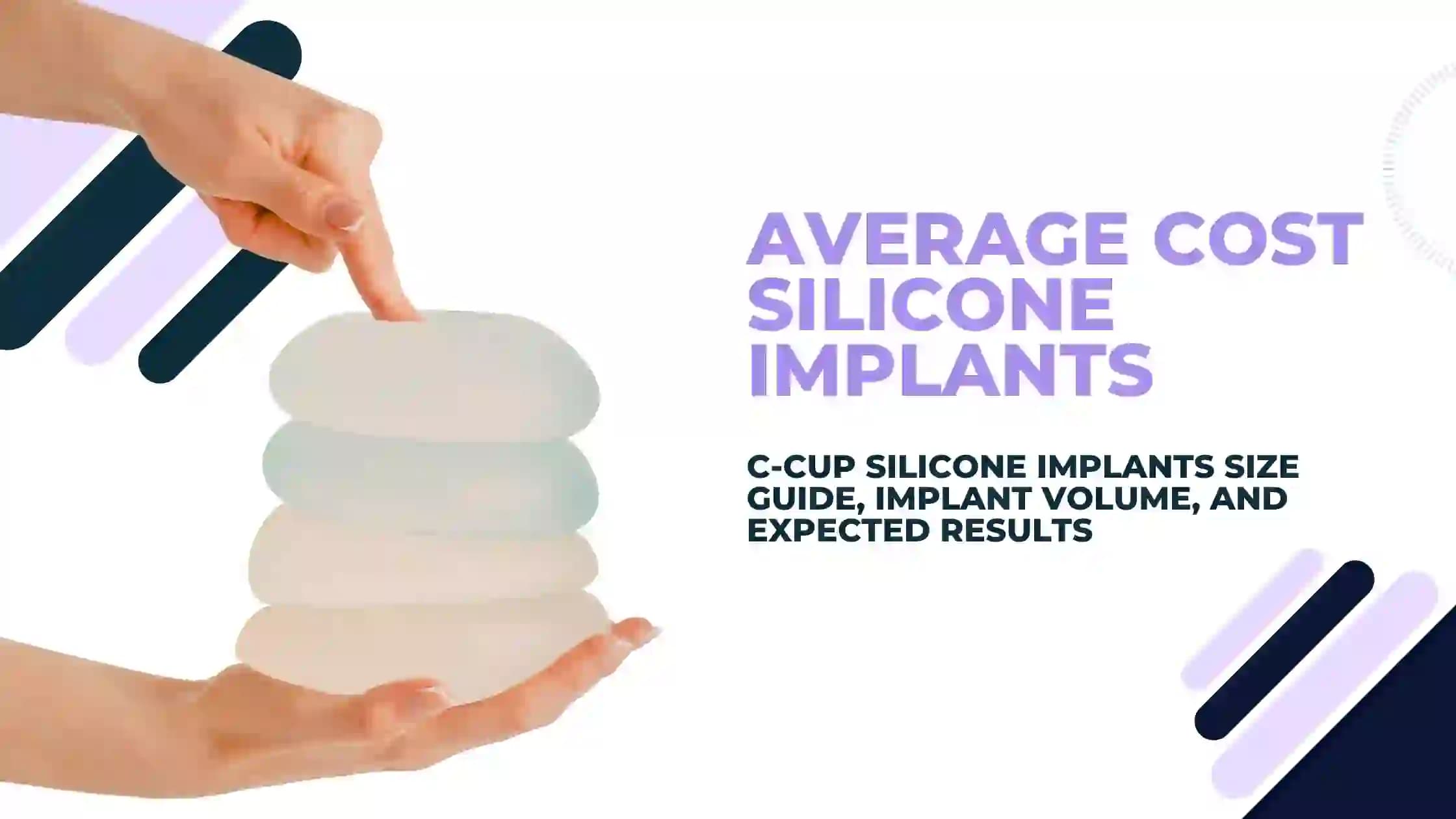
Silicone breast implants are one of the most popular cosmetic procedures worldwide. Patients often ask: What is the average cost of silicone implants surgery?
The cost varies depending on surgeon expertise, geographic location, implant type, hospital fees, and additional procedures. Understanding these factors helps patients plan financially and make informed decisions.
What Is the Average Cost of Silicone Implants Surgery?
In the United States, the average cost ranges between $6,000 and $12,000. Prices can vary based on clinic, surgeon, and included services.
Estimated Cost by Region
| Location | Average Cost |
|---|---|
| United States | $6,000 - $12,000 |
| United Kingdom | $5,500 - $9,000 |
| Australia | $6,500 - $11,000 |
| Turkey | $3,000 - $5,500 |
| India | $2,500 - $5,000 |
Medical tourism destinations like Turkey, Thailand, and India offer lower prices while maintaining high surgical standards.
What Is Included in the Cost?
The total cost typically covers multiple components:
- Surgeon’s Fee: Experienced surgeons charge more due to expertise.
- Silicone Implant Device: $1,000–$2,000 per pair.
- Anesthesia Fees: $800–$1,500 for certified anesthesiologist services.
- Hospital/Surgical Facility Fees: $1,000–$3,000.
- Pre-Surgery Medical Tests: Blood tests, mammograms, health screenings.
- Post-Surgery Garments: Surgical bras ($50–$150).
- Follow-Up Appointments: Usually included in the package.
Types of Silicone Implants and Cost Differences
1. Traditional Silicone Gel Implants
- Soft silicone gel, natural feel
- Cost: $6,000 - $9,000
- Widely used for breast augmentation
2. Gummy Bear Implants (Cohesive Gel)
- Thick, form-stable gel, maintains shape
- Cost: $8,000 - $12,000
- Advanced technology increases durability
3. Round Silicone Implants
- Symmetrical, fuller upper-breast volume
- Cost: $6,000 - $10,000
- Popular for cosmetic enhancement
Factors That Affect the Cost
| Factor | Description |
|---|---|
| Surgeon’s Experience | Highly skilled, board-certified surgeons may charge more |
| Geographic Location | US cities like New York/LA are more expensive; Turkey, Mexico, Thailand are lower-cost options |
| Implant Brand | Brands like Mentor, Allergan, and Motiva vary in price; premium implants often include warranties |
| Surgical Facility | Private clinics vs hospitals; hospital procedures tend to cost more |
| Additional Procedures | Combining with breast lift, liposuction, or fat grafting increases total cost |
| Implant Placement | Submuscular (under chest muscle) may be slightly more expensive than subglandular |
Silicone Implants vs Saline Implants Cost
| Feature | Silicone Implants | Saline Implants |
|---|---|---|
| Average Cost | $6,000 - $12,000 | $5,000 - $8,000 |
| Feel | Very natural | Slightly firmer |
| Rippling | Less common | More common |
| Rupture Detection | MRI required | Visible deflation |
| Popularity | Most popular | Less common |
Silicone implants are preferred for their natural appearance and texture, despite higher cost.
Are Silicone Breast Implants Worth the Cost?
Advantages:
- Natural look and feel
- Long-lasting results (10–20 years)
- Improved body proportions
- Boosted self-confidence
Most patients consider silicone implants a worthwhile investment.
Additional Costs to Consider
- Prescription medications
- Scar treatment creams
- Time off work
- Travel costs for medical tourism
- Future implant replacement
Implants are not lifetime devices; revision surgery may be needed.
Insurance Coverage
- Most breast augmentation surgeries are cosmetic and not covered.
- Exceptions:
- Breast reconstruction after mastectomy
- Implant rupture
- Severe capsular contracture
Tips for Choosing the Right Surgeon
- Board-certified in plastic surgery
- Extensive breast augmentation experience
- Positive patient reviews
- Accredited surgical facilities
- Transparent pricing
Surgeon expertise is more important than the lowest price for safety and optimal results.
Frequently Asked Questions
What is the average worldwide cost of silicone implants?
- $6,000–$12,000 depending on location and clinic reputation.
Are silicone implants more expensive than saline?
- Yes, $1,000–$3,000 higher due to advanced gel technology.
Do silicone implants need replacement?
- Not always, but monitoring is essential; replacement may be needed after 10–20 years.
Can financing options help cover costs?
- Many clinics offer monthly payment plans, medical financing programs, or cosmetic surgery loans.
Final Thoughts
Understanding the average cost of silicone implants helps patients plan their procedure effectively. While prices vary by surgeon, implant type, location, and facility fees, $6,000–$12,000 is a typical range.
Prioritize safety, surgeon expertise, and implant quality over price to ensure natural-looking, long-lasting results.