




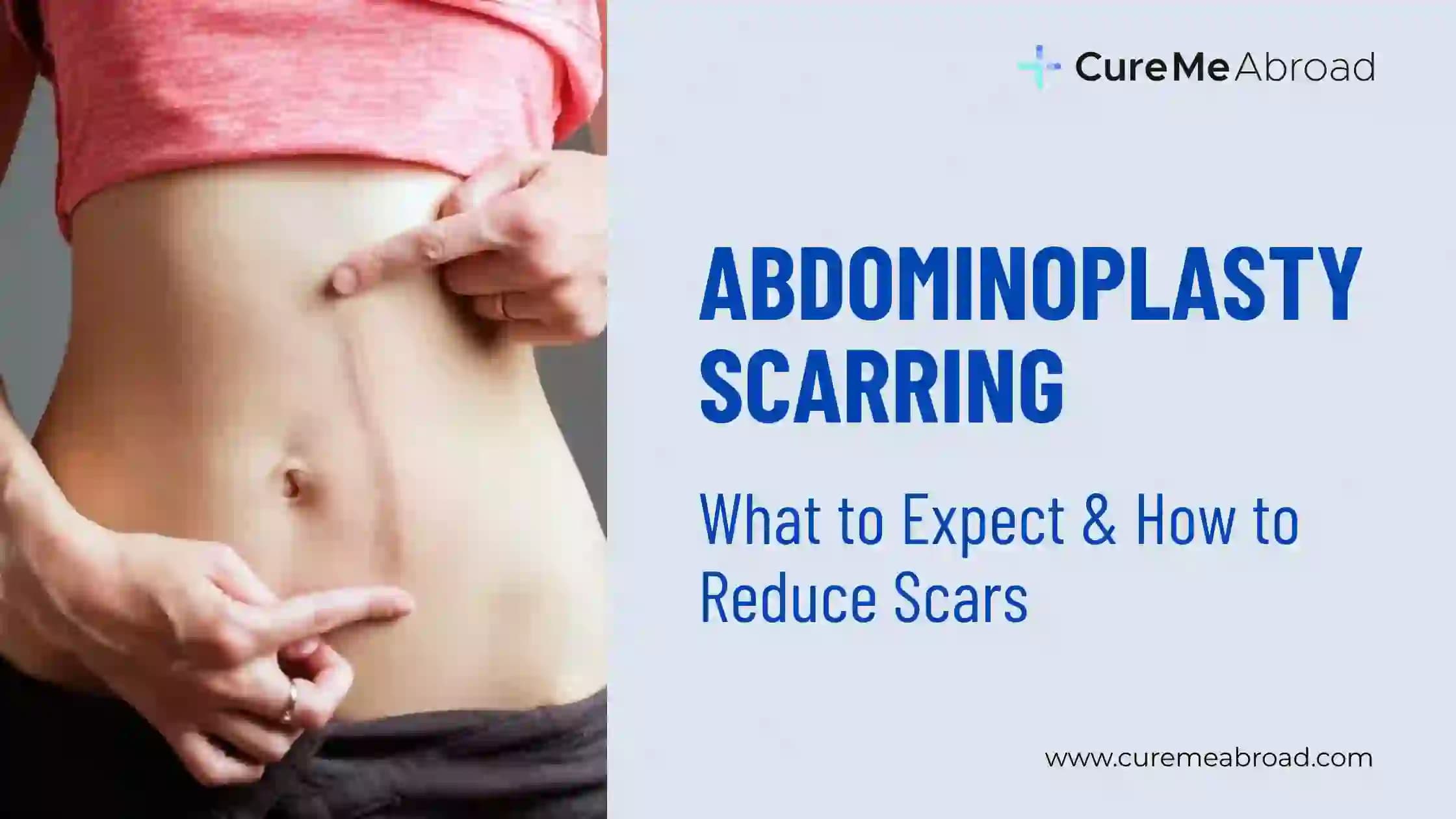
Abdominoplasty is the most popular cosmetic surgery developed to regain the aesthetic shape of the belly. It is performed by increasing the strength of belly muscles, tightening the skin around the area and also by reducing the fat. Advancement of medical and surgical techniques can help you attain your aim with minimal abdominoplasty scarring. This is ranked as the 6th most performed surgeries in the US in the past decade.
Keeping the aesthetic part away, healing is an important part of the surgery. In order to improve the result of the surgery, it is inevitable for the patient to be aware of abdominoplasty scarring and post-surgery care. This can help them bridge the gap between expectation and reality.
Abdominoplasty Scarring
Scarring is an unavoidable part of abdominoplasty. Once the skin starts healing around the surgical area, scars will slowly start to develop. As the procedure is mostly done below the bikini line, a horizontal scar development is always expected around the area. Depending on the procedure, scars may also form around the navel area, known as the periumbilical mark.
Position and depth of abdominoplasty scarring may vary depending on the procedure that your surgeon has chosen for your problem. If you have an excess skin issue, the fleur-de-lis technique will be opted for (mostly), which leaves a vertical scar. For fat and skin reduction, you might be undergoing the mini tummy tuck procedure, where a mini-incision scar will be left. But if you are undergoing a full abdominoplasty, there can be both a hip-to-hip scar as well as a periumbilical mark.
The procedure you have undergone determines the intensity of the abdominoplasty scarring. In other words, your body type, the amount of fat/tissue removed, and the technique your surgeon used. In most cases, during the healing process, there will be slight redness, a little swelling, and irritation. Swelling reduces and becomes less noticeable over time.
But, depending on the body type or due to the lack of proper care, there can be aberrant wound healing. If the inflammation and collagen deposition continue, it can lead to hypertrophic or keloid scars. In severe cases, this can affect the quality of life with physical discomfort, pain, itching, a tight feeling, and mobility issues.
Factors Influencing the Abdominoplasty Scarring
Most importantly, it’s your genetics and body type influencing this, along with your age and health. Healthier and younger patients have more chance to heal faster compared to others. An expert can do the procedure without much width or visibility of the scar.
Always follow the advice from your surgeon and stick to the post-surgery care routine, which is very crucial for healing. Additionally, a change in your lifestyle can also add to the recovery. Unhealthy habits like smoking have to be stopped, and a lack of nutrition has to be completely addressed with a proper diet. This will help in proper blood flow, collagen synthesis, and improve or fasten the healing procedure.
How Much Time Will the Healing Take?
Wound healing is a crucial phase after any surgery is performed. In the case of abdominoplasty, it can be divided into 3 phases based on the changes happening in the surgical area.
Inflammatory Phase
This is up to 14 days after the surgery is performed. The immunity of your body plays an important role in this period. Always take care to be healthy (perfect BMI, without infection, etc.) before and after the procedure.
In order to prevent infection, the immune cells will act on the area around the wound. This might lead to slight inflammation, warmth, redness, and discomfort. This is always a good sign. It indicates that your body has started responding and is in the phase of healing.
Growth Phase
This is a period from weeks 2–6. From the second week onwards, your tissue repair starts, in which the body begins to produce collagen. During this period, the wound starts to heal, and the abdomen regains its strength. Slowly, the abdominoplasty scarring starts diminishing or reducing.
Rebuilding Phase
The period in which the outcome of the surgery starts to appear is the rebuilding phase. Healing scars is a complex and slow process where collagen fibres have to organise correctly to improve the abdominoplasty scarring. It can take up to a year or even longer. This aids in attaining a completely or nearly scar-free appearance over time.
How to Reduce the Scars After Abdominoplasty Effectively?
The appearance of abdominoplasty scarring can be significantly minimised if proper care is given. Both early wound management and long-term scar care play a vital role in achieving the best aesthetic outcome.
Always follow the instructions your healthcare experts give after the procedure. Lifting heavy things should be strictly avoided. Personal hygiene should be maintained. Keeping the area clean and wearing appropriate garments are of prime importance. This will reduce the risk of complications.
Recommended Practices
- Using a silicone sheet/gel: Helps the skin stay hydrated and supports collagen formation. Regular usage can improve scarring over time.
- Avoid sun exposure: UV rays can cause pigmentation and darken scars. Always use sunscreen.
- Massage: Gentle massage after healing can reduce stiffness and support collagen alignment.
- Lifestyle changes: Follow a nutrition-rich diet and avoid smoking and alcohol.
- Medical treatments: Laser and microneedling treatments can help reduce scar thickness and colour.
How Can Your Lifestyle Hasten the Healing?
For faster wound healing, lifestyle and nutrition play an important role. As collagen is the protein that increases the rate of healing, foods rich in collagen such as bone broth, eggs, fish, and chicken should be included in the diet.
Vitamin C-rich foods such as guava and berries, along with zinc-rich foods like nuts, seeds, and leafy vegetables, can help boost immunity. Staying hydrated improves skin elasticity and healing.
Certain lifestyle habits like smoking and alcohol directly impact blood circulation and can worsen abdominoplasty scarring. Maintaining BMI and following prescribed movements or exercises can positively influence recovery.
Better sleep and stress management also support recovery by regulating hormones and immunity. Wearing appropriate compression garments is another simple yet crucial factor.
The First 3 Months: A Critical Window for Scar Care
The first 3 months after surgery play a crucial role in determining how your scars will heal. Consistency in care during this phase is essential.
Avoid using unverified home remedies without consulting your doctor. Once your incision has healed (around 2–3 weeks), you can begin using silicone-based products. Later, your surgeon may recommend gentle scar massage.
It is normal to feel concerned about scars. Do not skip medications or overexert yourself. Seeking medical or emotional support is always okay.
Avoid myths like sunlight helping scars heal—it can actually worsen them by causing pigmentation.
Think of this phase as guiding your scar to heal better, making it softer, flatter, and less visible over time.
Why Some Scars Look Worse?
Not all scars heal the same way, and that’s completely normal. The final appearance depends on how your body produces and reorganises collagen.
In some cases, excess collagen production leads to raised scars. Skin tension from movement can also worsen scar appearance if proper care isn’t taken.
Hypertrophic scars remain within the wound boundary and may improve over time. Keloids extend beyond the original incision and are more difficult to manage due to an overactive healing response.
When Should I Consult a Doctor?
Always monitor your healing progress. Consult a doctor if you notice:
- Discharge from the wound
- Persistent inflammation or increasing pain
- Signs of infection
- Scar extending beyond the surgical area
Early intervention can prevent complications. Avoid self-treatment and rely only on medical advice.
All Information About Abdominoplasty at Your Fingertips
Visit CureMeAbroad for more insights and expert guidance.
FAQ
How can I completely remove abdominoplasty scarring?
Scars cannot be completely removed, but they can become much less noticeable with proper care. Focus on the overall aesthetic outcome rather than minor scar visibility.
Can I smoke after the surgery?
It is best to avoid smoking from at least 6 weeks before surgery to one month after. Smoking negatively impacts blood flow and healing.
Can I wear tight dresses after surgery?
Avoid tight clothing immediately after surgery. Once healing progresses, you can gradually resume wearing them.
Can sun exposure improve healing?
No. Sun exposure can worsen scars by darkening them and making them more visible.
References
Winocour, J., Gupta, V., Ramirez, J. R., Shack, R. B., Grotting, J. C., & Higdon, K. K. (2015). Abdominoplasty: risk factors, complication rates, and safety of combined procedures. Plastic and Reconstructive Surgery, 136(5), 597e-606e.
https://journals.lww.com/plasreconsurg/fulltext/2015/11000/abdominoplasty__risk_factors,_complication_rates,.9.aspxKazemeini, S., Nadeem-Tariq, A., Hajian, P., Anil, B., Easterly, J., Sraa, K., ... & Kazemeini, M. (2025). Hypertrophic and Keloid Scar Management: Advances in Diagnosis, Perioperative Care, and Anesthetic Modulation. Cureus, 17(7).
https://pmc.ncbi.nlm.nih.gov/articles/PMC12377257/Cleveland Clinic (2023). Tummy tuck scar treatments and management.
https://my.clevelandclinic.org/health/treatments/24004-tummy-tuck-scar