


A lot of women spend years quietly looking into labiaplasty before they ever say it out loud to anyone. Some have been putting up with chafing or pain for so long they stopped questioning it. Others quietly dropped certain workouts, stopped wearing the clothes they liked, or started avoiding intimacy without really telling anyone why. Eventually the question shifts. It stops being should you even look into this, and becomes where do you actually find real information about it?
In this blog, you’ll learn what labiaplasty involves, what labiaplasties before and after results really look like at each stage, how the body heals week by week, what the procedure costs in 2026, and what to look for in a surgeon before booking anything.
What Is Labiaplasty? Procedure Overview
Labiaplasty surgery reduces or reshapes the labia minora, the folds of skin on either side of the vaginal opening. Some patients also deal with the labia majora or clitoral hood at the same time, depending on what they want to address.
When the labia minora are enlarged, the extra tissue causes real, daily friction. The surgery removes that excess tissue and closes everything back up, keeping nerve supply and blood flow as intact as possible. It’s done as an outpatient procedure, runs 1-2 hours, and most women go home the same day.
Common Motivations
Friction during workouts: Cycling, running, or even just walking in the wrong pair of leggings causes constant rubbing in that area. It doesn’t improve on its own and for a lot of women it gets worse over time, not better.
Irritation from clothing: Seams from everyday underwear, swimwear, or tight gym wear dig into enlarged tissue throughout the day. Most women just learn to live with it, but that doesn’t mean they should have to.
Pain during sex: When labial tissue folds or gets caught during intercourse, it really hurts. A surprising number of women tolerate this for years before mentioning it to anyone, let alone a doctor.
Hygiene difficulties: Extra skin folds trap moisture and make cleaning the area properly quite difficult. It’s the kind of thing women often feel awkward bringing up, even in a medical setting.
Post-childbirth changes: Delivery stretches and changes labial tissue in ways that don’t always bounce back. Some women notice a significant difference after having a baby, others less so, but it’s a real and common reason for seeking surgery.
Asymmetry: When one side is noticeably larger than the other, it causes both physical friction and self-consciousness. For some patients it’s more of a functional issue, for others it’s mainly visual, and for many it’s both.
Who Is a Good Candidate?
| Characteristic | Details |
|---|---|
| Age | 18 or older, after labial tissue has fully developed |
| Health | No uncontrolled diabetes, active infections, or bleeding disorders |
| Smoking | Non-smoker or committed to quitting at least 4-6 weeks before surgery |
| Reason | A personal decision, not influenced by a partner or outside pressure |
| Expectations | Improvement is the realistic goal, not anatomical perfection |
| Mental health | Stable, no body dysmorphic disorder |
Keep in mind that every woman's anatomy is different. That’s why labiaplasties before and after results vary so much from patient to patient and why comparing your expected outcome to someone else's photos rarely tells the full story.
Labiaplasty Before and After: Real Results and What to Expect
The first few weeks look nothing like the final result. Swelling and bruising are significant and that’s completely normal.
What Realistic Before-and-After Results Look Like
Most women are surprised by how quickly the functional side improves. Within the first 2 weeks, the chafing is already less, the folding during movement starts settling down, and getting through a normal day feels easier, even with swelling still present. The things patients talk about most?
- Running again without discomfort
- Pulling on jeans without dreading
- Sex that doesn’t hurt
For women who have quietly managed this for years, those changes hit differently than they expected.
The aesthetic result takes longer. 3-6 months is the honest window for seeing what everything actually looks like once swelling is gone and tissue has stopped shifting. So judging the outcome at week two is pointless.
The satisfaction numbers are hard to argue with. A 2022 meta-analysis across 46 studies and 3,800 patients put the rate at 99%. A 2024 Aesthetic Surgery Journal review found 94% overall, reaching 97% for de-epithelialization. Women who came in with a real physical complaint also tend to stay happier long-term than those who came in purely over appearance.
How Long Does It Take to See Final Labiaplasty Results?
Honestly? Longer than most patients are hoping for when they ask.
| Timeframe | What Is Visible |
|---|---|
| Days 1-7 | Heavy swelling and bruising, nothing like the end result |
| Weeks 2-4 | Swelling starts dropping; early contour shows; incision lines still pink |
| Weeks 4-6 | Mostly settled; shape is close to where it will end up |
| Months 2-3 | Near-final result; most scarring has faded |
| Months 3-6 | Final result visible; tissue fully settled; scars maturing |
Most women searching labiaplasties before and after photos are looking at results from week 2 or 3, which is nowhere near the final picture. That post-operative inflammation takes weeks to fully clear. Underneath the surface, fibroblasts are still remodeling collagen for up to a year. The body doesn’t really have a fast-forward button for this.
Labiaplasty Procedure Steps: What Happens During Surgery
Pre-Operative Preparation
Before anything is cut, the surgeon goes through the patient's goals in detail. A mirror or camera is often used so the planned resection lines get marked out together. The clitoral hood is checked for pigmentation, extra folds, and protrusion. The posterior introitus is also assessed, especially if there has been a prior episiotomy.
The Two Primary Surgical Techniques
| Technique | How It Works | Best For | Tradeoff |
|---|---|---|---|
| Trim (Linear Resection) | Removes tissue along the outer labial edge | Thick, pigmented, or uneven edges | Linear scar at edge; natural edge color is lost |
| Wedge Resection | V-shaped section removed from the thickest part; edges rejoined | Keeping the natural labial edge | More technical; the darker outer edge stays |
| De-epithelialization | Tissue taken from the inner surface; outer edges left alone | Subtle reduction with edge preservation | Most demanding technically; highest satisfaction in studies |
The surgeon marks a gentle arc from the frenulum to the posterior labium, injects a buffered lidocaine-epinephrine mix, and then removes tissue with fine scissors, which give better precision without the thermal injury risk of a laser. Once the tissue is closed with a 5-0 chromic suture and a dressing is applied, most patients are ready to head home within a couple of hours of arriving
Is Labiaplasty Painful? What to Expect During and After Surgery
Surgery itself isn’t painful; that’s what the anesthesia is for. The rougher stretch is the 48-72 hours that follow.
| Phase | Pain Level | Management |
|---|---|---|
| Hours 1-24 | Moderate to strong; the most uncomfortable period | Prescribed pain medication; cold compress wrapped in cloth |
| Days 2-5 | Moderate stinging, particularly during urination | Analgesics, peri-bottle rinse at toilet time |
| Days 6-14 | Mild to moderate; improving daily | OTC pain relief; much less medication needed |
| Weeks 3-6 | Mild tenderness; itching around incision | Minimal medication and loose clothing helps the most |
The stinging when urinating in the first few days is one of the most consistently reported complaints. Urine touching raw healing tissue stings briefly. Using a peri-bottle with warm water and rinsing the area at the same time cuts that discomfort down considerably.
Labiaplasty Recovery Timeline: Day-by-Day and Week-by-Week Healing
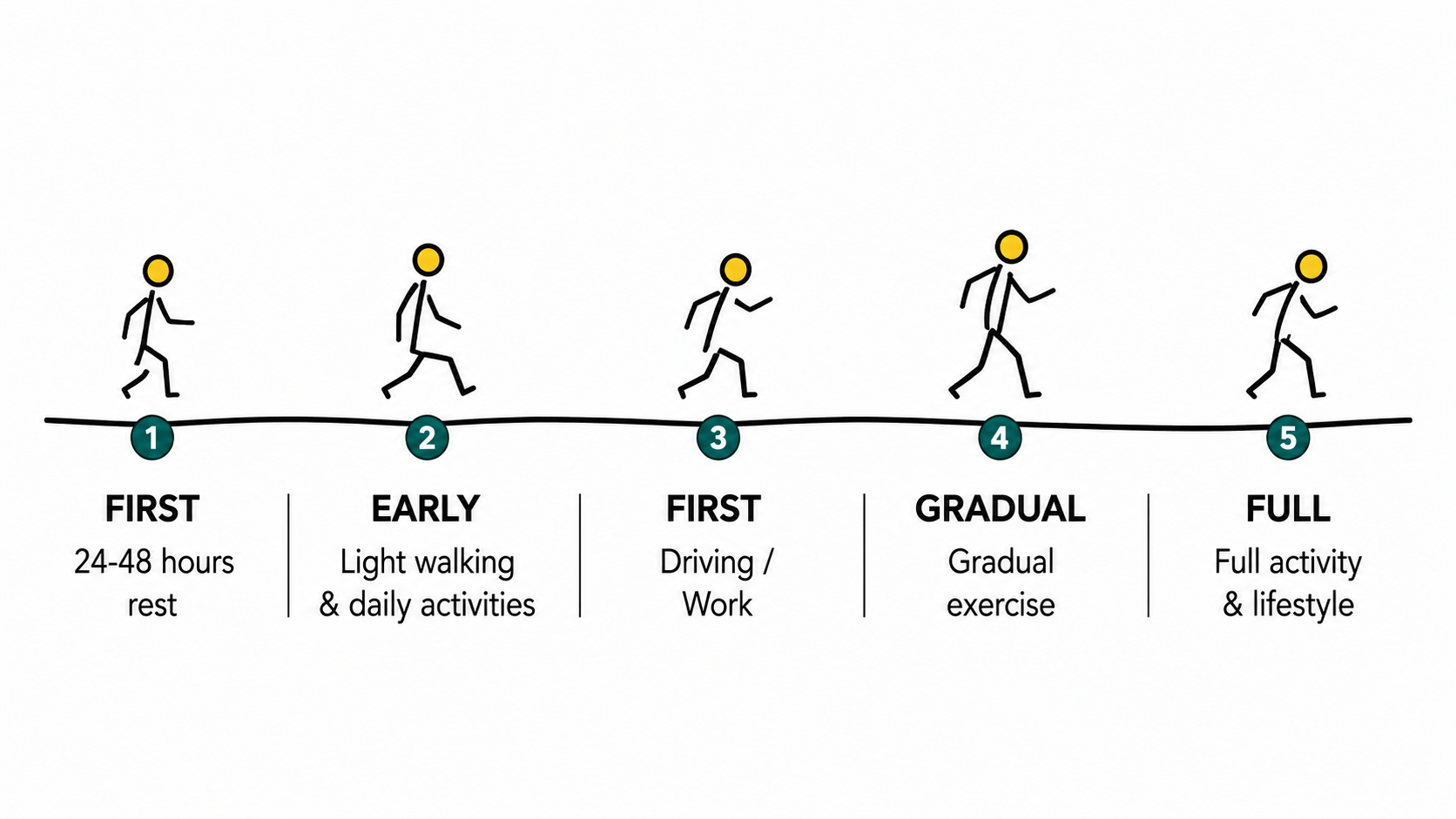
Days 1-3
- Swelling and bruising are at their worst right now; this is the hardest physical stretch of recovery
- Light spotting is expected; anything heavier warrants a call to the surgeon
- Cold compresses wrapped in cloth, 20 minutes on and 20 off, help keep swelling manageable
- Resting with hips slightly raised limits fluid from pooling in the surgical area
- Prescribed antibiotics and pain medication should be taken as directed, not dropped early when the patient starts feeling better
Days 4-7
Soreness starts lifting and the area also looks less swollen and distorted. Surface healing becomes visible while a follow-up around day 7 checks suture integrity and lets the patient see how well things are progressing.
Weeks 2-4
Swelling drops noticeably and most women with desk jobs are back at work by the end of week 2. Sitting for long periods can still cause some tenderness, which is why a seat cushion is really useful at this point. Itching along the incision line is common here and is actually a sign tissue is repairing normally, even if it’s annoying.
Weeks 5-6
Fitted clothing is more comfortable. Sexual activity and tampon use still need the surgeon's go-ahead before starting back up
Months 2-6
Final shape becomes clearly visible and the scar tissue continues softening and fading. Full healing generally lands between 3 and 6 months post-surgery.
When Can You Return to Normal Activities After Labiaplasty?
| Activity | Common Return Window |
|---|---|
| Short walks | Days 4-7 |
| Desk work | Days 7-14 |
| Driving | Days 7-10 |
| Light household tasks | Week 2 |
| Low-impact exercise | Weeks 3-4 |
| Running or aerobics | Weeks 6-8 |
| Cycling | Weeks 6-8, padded seat, surgeon approval required |
| Swimming or baths | Weeks 4-6 |
| Sex or tampon use | Minimum 6-8 weeks |
Suture lines are still rebuilding tensile strength during this window. Stress on those incisions too early causes wound separation, which is entirely avoidable with patience.
Labiaplasty Scars: What They Look Like After Healing
| Technique | Scar Location | Appearance at 6 Months |
|---|---|---|
| Trim | Outer edge of labia minora | Linear; fades from pink to pale |
| Wedge | Central labial area | Transverse, sits in natural folds, fairly subtle |
| De-epithelialization | Inner face of labia | Internal placement; least visible of the three |
The labia aren’t symmetrical in most women to begin with. Results are permanent since removed tissue doesn’t regenerate, though pregnancy and aging will keep affecting the area over the years.
Risks, Side Effects, and Safety of Labiaplasty
Done properly by a qualified surgeon in an accredited setting, labiaplasty has a strong safety record.
Common Side Effects (Expected)
- Swelling, bruising, and local soreness during the first week or two
- Temporary numbness or unusual sensitivity near the surgical site
- Itching while tissue heals
- Pink incision lines that fade gradually over months
Complications and Rates
| Complication | Approximate Rate |
|---|---|
| Postoperative asymmetry | Around 6% |
| Scarring needing attention | Around 1.9% |
| Wound separation | 3-5% with wedge technique |
| Hematoma | Under 1%-8% depending on technique |
| Infection | Rare when antibiotics are used |
| Revision surgery needed | 1.7%-5.6% |
| Permanent sensation loss | Extremely rare |
Smoking gets a specific mention because it matters more than patients often realize. Nicotine constricts blood vessels, cutting oxygen to healing tissue. So surgeons require stopping at least 4-6 weeks out from surgery and that requirement is clinical, not just precautionary.
Labiaplasty Cost in 2026 and Factors That Affect Pricing
| Cost Component | Usual Range |
|---|---|
| Surgeon's fee | $2,000-$6,000 or more |
| Anesthesia | $500-$1,500 |
| Surgical facility | $500-$1,500 |
| Pre-operative testing | $100-$400 |
| Post-operative medications | $50-$200 |
| Follow-up visits | Often included; sometimes billed separately |
Cost by Major U.S. City
| City or Region | Estimated Cost |
|---|---|
| New York City | $6,000-$9,000 |
| Los Angeles or Beverly Hills | $5,000-$9,500, up to $25,000 for top surgeons |
| Miami | $3,000-$6,000 |
| Dallas, Texas | Around $5,100 average |
| Chicago | $3,000-$8,000 |
| Smaller U.S. markets | $3,000-$6,000 |
Fellowship-trained cosmetic gynecologists charge 20-40% more than general practitioners. Local anesthesia instead of general saves $500-$1,000. Insurance only covers this when medical necessity is clearly documented and pre-authorized, which doesn’t happen often.
How to Choose the Best Labiaplasty Surgeon
| Criterion | What to Look For |
|---|---|
| Board certification | ABPS or ABOG with genital surgery focus |
| Volume | At least 50 labiaplasties performed per year |
| Portfolio | Genuine patient photos, ideally from similar anatomy |
| Consultation style | Honest about risks and doesn’t oversell outcomes |
| Facility | Accredited surgical center or hospital |
| Revision policy | Written clearly and explained upfront |
| Pricing | All costs itemized before booking |
Questions to Ask During Consultation
- Which technique makes sense for my anatomy and why?
- How many of these do you do per year?
- What is your personal revision rate?
- What complications have come up in your own patients?
- What does recovery realistically look like for my specific case?
A surgeon who says surgery mightn’t be right for you right now is worth more than one who books everyone who walks through the door. How they handle the consultation tells you how they will handle everything after. That matters more than most people realize, because labiaplasties before and after outcomes depend as much on who performs the surgery as on the technique itself.
Conclusion
Labiaplasty has strong satisfaction data behind it. Multiple large studies consistently show rates above 90%. Complications are uncommon. Getting that outcome takes honest expectations about how long labiaplasties before and after results take to fully show, choosing a surgeon based on real experience rather than price, and actually following through on recovery instructions.
If you are considering labiaplasty and want to explore safe, high-quality treatment options abroad, CureMeAbroad is the one to look for, as they provide worldwide access to experienced specialists and accredited clinics.
FAQs
1. Can labiaplasty affect the ability to have children later?
No. Only external labial tissue is involved. The uterus, ovaries, and reproductive system are not touched at all.
2. What should someone wear after labiaplasty?
Soft cotton underwear and loose bottoms for the first 2 weeks. Anything fitted presses on the healing area and makes soreness worse.
3. Is labiaplasty a major surgery?
Not really. It’s outpatient; most women go home the same day, and desk work is back within two weeks. Nobody is out of action for months.
4. Does insurance ever cover labiaplasty?
Sometimes, when a doctor documents a genuine medical problem like chronic pain or recurring infections. Cosmetic cases almost never get covered. Call the insurer directly to check.
5. How do patients know if something is wrong during recovery?
Soreness and light swelling are normal. Heavy bleeding, worsening pain, fever, or unusual discharge aren’t. Any of those need a call to the surgeon the same day.
Reference:
Maximizing Safety and Optimizing Outcomes of Labiaplasty: A Systematic Review and Meta-analysis Plastic and Reconstructive Surgery 2022
https://pubmed.ncbi.nlm.nih.gov/35877939/
Comprehensive Assessment of Labiaplasty Techniques and Tools, Satisfaction Rates, and Risk Factors: A Systematic Review and Meta-analysis Aesthetic Surgery Journal 2024
https://pmc.ncbi.nlm.nih.gov/articles/PMC11474617/
Long-term Functional and Aesthetic Outcomes of Labiaplasty: A Review of the Literature Aesthetic Surgery Journal 2025
https://academic.oup.com/asj/article/45/2/180/7822153
The Effect of Technique Selection in Labiaplasty Surgery: Analysis of Aesthetic and Functional Outcomes PubMed Central 2025
https://pmc.ncbi.nlm.nih.gov/articles/PMC12733703/
Labiaplasty: Procedure, Costs and Surgeon Selection American Society of Plastic Surgeons 2024
https://www.plasticsurgery.org/cosmetic-procedures/aesthetic-genital-plastic-surgery/labiaplasty
- Labiaplasty: Surgery, Recovery and What to Expect. Cleveland Clinic 2025
https://my.clevelandclinic.org/health/treatments/21953-labiaplasty
- Labiaplasty Recovery: Week-by-Week Timeline and Expectations Burbank Plastic Surgery 2025
https://www.burbankplasticsurgery.com/blog/labiaplasty-recovery