




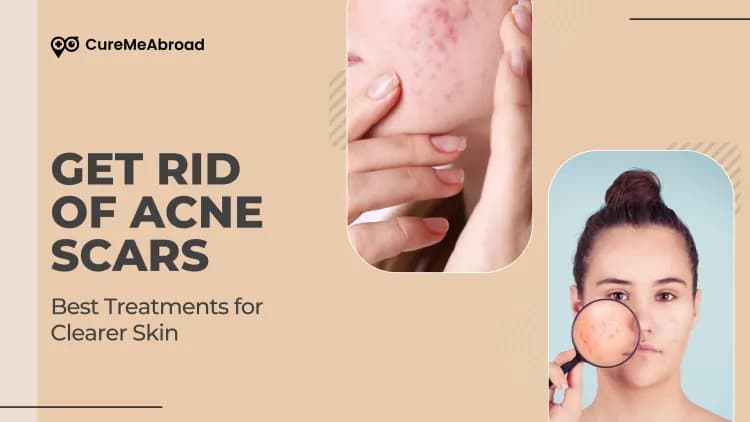
Acne can be frustrating, but for many people, the scars left behind feel even more daunting. Whether you’ve just cleared your last breakout or battled acne for years, you’re probably looking for effective ways to finally fade those lingering marks. So, how to get rid of acne scars? Today’s dermatology has evolved, offering a range of treatments that can dramatically diminish the appearance of scars and boost your confidence.
In this guide, we break down everything you need to know about acne scars, what causes them, top professional and at-home treatment options, and how to choose the best approach for your unique skin.
Understanding Acne Scars: Types and Causes
Before diving into treatments, it’s important to understand that not all acne scars are the same. How to get rid of acne scars often depends on the type of scarring you have:
- Atrophic scars: These are depressions in the skin and include ice pick, boxcar, and rolling scars. They’re most common with severe cystic acne.
- Hypertrophic or keloid scars: Raised, thickened scars more often seen on the chest, shoulders, and jawline.
- Pigmentation marks: Red or brown spots left behind after a pimple heals, sometimes referred to as “post-inflammatory hyperpigmentation.” These aren’t technically scars but can be just as bothersome.
The best treatment for your acne scars will depend on which type(s) you have.
Professional Treatments: The Most Effective Options
Dermatologists now offer a range of advanced procedures, some minimally invasive, some surgical, designed to target even the most stubborn scars. Here’s a closer look at how to get rid of acne scars with professional help:
1. Laser Treatments
Laser resurfacing is one of the most effective ways to improve atrophic (indented) acne scars. There are several types:
- Ablative lasers (like CO2 or Er:YAG): Remove layers of damaged skin, promoting collagen formation and smoother texture.
- Fractional lasers: Target only a fraction of the skin at a time, reducing downtime but still stimulating new collagen.
Lasers can also smooth raised scars and even out pigmentation but usually require multiple sessions and a recovery period.
2. Microneedling
Microneedling, also known as “collagen induction therapy,” uses tiny needles to puncture the skin, triggering collagen and elastin production.
This treatment is safe for all skin tones and suitable for different scar types. For improved results, microneedling is often paired with:
- Radiofrequency energy
- Chemical peels
- Platelet-rich plasma (PRP)
3. Chemical Peels
Chemical peels use acids (like trichloroacetic acid, TCA) to gently exfoliate the skin, reducing the appearance of superficial scars and pigmentation issues. Deeper peels may reach the mid-dermis and improve boxcar and rolling scars, but these involve more downtime.
4. Subcision and Scar Surgery
Subcision is a minor surgical technique where a needle is inserted below the skin to break up tough, band-like scar tissue under rolling scars, allowing the surface to rise and smooth out.
For very deep or resistant scars for example, ice pick scars dermatologists may perform punch excision (removing the scar and stitching the area) or skin grafting (replacing scar tissue with healthy skin from another area).
5. Fillers and Injections
Dermal fillers such as hyaluronic acid can temporarily “plump up” atrophic scars by filling in depressions. Steroid or botox injections may flatten raised scars and soften tight or puckered areas.
6. Platelet-Rich Plasma (PRP)
PRP therapy involves extracting platelets from your blood and injecting or applying them to scarred areas often combined with microneedling. PRP boosts the skin’s natural healing and collagen regeneration.
At-Home Treatments: Can You Fade Scars on Your Own?
For mild discoloration or new scars, there are steps you can take at home to help fade marks and improve skin texture:
- Topical Retinoids: Vitamin A derivatives can speed up cell turnover, lighten dark spots, and improve skin texture over time. Some strong formulations require a prescription, but even over-the-counter retinol can help.
- Alpha Hydroxy Acids (AHAs) and Beta Hydroxy Acids (BHAs): Ingredients like glycolic acid and salicylic acid gently exfoliate, helping to smooth the skin and fade pigment changes. These are commonly found in serums, cleansers, and peels.
- Sunscreen: Daily sun protection is key UV rays will darken scars and slow healing. Use broad-spectrum SPF 30 or higher every day, even indoors!
- Silicone gels and sheets: These can help flatten and fade raised scars when used consistently for weeks or months.
Combining Treatments: The Best Results
Research shows that combining modalities such as chemical peels plus microneedling, or laser resurfacing plus PRP often delivers the best outcomes, especially for stubborn or mixed scars.
A dermatologist can help design a treatment plan that’s customized to your scars, skin tone, medical history, and goals.
Important Considerations Before Starting Acne Scar Treatment
How to get rid of acne scars depends not just on the treatment, but also on your skin type, overall health, and whether active acne is still present:
- Treat active acne first: Scar treatments work best once breakouts are under control.
- Be realistic: Most treatments require multiple sessions, and improvements are usually gradual rather than instant.
- Choose an expert: Work with a board-certified dermatologist who specializes in acne and scar revision.
- Consider your lifestyle: Some procedures involve several days of redness, swelling, or crusting, so plan accordingly.
A Clearer Path Forward
Wondering how to get rid of acne scars can feel overwhelming, but there are truly effective options available today from powerhouse professional treatments to dedicated skin care routines at home. The key is to find the approach that’s right for your scar type, your skin, and your comfort level.
Remember, the journey to clearer skin is unique for everyone. Even the best treatments take time, so be patient and kind to yourself throughout the process. If in doubt, consult a dermatologist to map out a safe strategy for beautiful, smoother skin ahead.