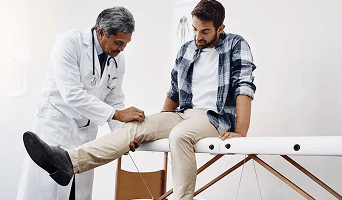
ACL Reconstruction Abroad: Restore Knee Stability
ACL Reconstruction is one of the most common orthopaedic surgeries used to improve the function of the knee and provide stability after a tear to the anterior cruciate ligament (ACL) that occurs due to a sports injury or a sudden twisting movement. The injured ACL is replaced during surgery with a graft of a healthy ACL. A surgeon takes either the patient's own tissue or a donor's tissue for the graft. Then, the graft is placed in the exact position as the original ligament. In this way, the surgeon will help to maintain the stability of the knee joint, decrease the amount of pain a patient experiences and make it easier for them to return to their daily activities and participate in their sports with more confidence and more strength. CureMeAbroad provides the opportunity for patients to have access to top-quality international hospitals with state-of-the-art arthroscopic equipment and world-class orthopedic surgeons who specialize in treating sports-related injuries. In addition, each treatment plan is developed based upon the extent of injury the patient has sustained, the type and level of physical activity the patient participates in and what the patient wishes to accomplish with respect to rehabilitation. With a focus on minimal invasiveness, the surgeons at these hospitals are able to perform very accurate reconstructions using smaller incisions, which results in less post-operative discomfort and a quicker time frame for the patient to recover.

FREE HOTEL & FLIGHTS

100% OFF ON DENTAL CHECKUP

BEST PRICE GUARANTEED
Overview
ACL Reconstruction is one of the most common orthopaedic surgeries used to improve the function of the knee and provide stability after a tear to the anterior cruciate ligament (ACL) that occurs due to a sports injury or a sudden twisting movement. The injured ACL is replaced during surgery with a graft of a healthy ACL. A surgeon takes either the patient's own tissue or a donor's tissue for the graft. Then, the graft is placed in the exact position as the original ligament. In this way, the surgeon will help to maintain the stability of the knee joint, decrease the amount of pain a patient experiences and make it easier for them to return to their daily activities and participate in their sports with more confidence and more strength. CureMeAbroad provides the opportunity for patients to have access to top-quality international hospitals with state-of-the-art arthroscopic equipment and world-class orthopedic surgeons who specialize in treating sports-related injuries. In addition, each treatment plan is developed based upon the extent of injury the patient has sustained, the type and level of physical activity the patient participates in and what the patient wishes to accomplish with respect to rehabilitation. With a focus on minimal invasiveness, the surgeons at these hospitals are able to perform very accurate reconstructions using smaller incisions, which results in less post-operative discomfort and a quicker time frame for the patient to recover.
What Is ACL Repair?
The anterior cruciate ligament (ACL) is a key stabilizing ligament in the knee. ACL repair or reconstruction involves either reattaching a torn ligament or replacing it with a graft taken from the patient's own tissue or a donor source.
Surgical vs. Non-Surgical Approach
Not all ACL tears require surgery; less active individuals or those with partial tears may be managed with physical therapy and bracing. Athletes and highly active patients who wish to return to sport typically benefit most from surgical reconstruction.
Graft Options
Common graft choices include the patellar tendon, hamstring tendon, or quadriceps tendon from the patient's own body, or an allograft from a donor. Each option has specific advantages and your surgeon will recommend the most suitable type for you.
Return to Sport Timeline
Full recovery and return to competitive sport typically takes 9 to 12 months following ACL reconstruction. A structured rehabilitation program is essential to restore strength, stability, and coordination before returning to high-demand activities.
Procedure Time
Generally 1-2 hours and is usually performed as a day-case procedure under general anaesthesia.
Recovery Timeline
Patients can walk with support from Day 1. Typically patients will need crutches for 1-2 weeks. It generally takes between 6-12 months to fully recover from an ACL reconstruction, and most patients will be allowed to return to sport specific training at approximately 9 months.
Expected Results
Restoration of knee stability and long-term protection of the joint from further injury/damage. Integration of the graft will take many months, therefore the overall recovery period is much greater than the length of the surgery itself.
Ideal Candidates
Any adult/athlete that has a complete ACL tear and wants to participate in high-level physical activity/sport should consider surgery. Individuals that are less physically active that have a complete ACL tear may not require surgery if they do not plan to engage in activities that would stress their knee.
Affordable Care | Transparent Costs | Expert Guidance
Get best price with CureMeAbroad
Sudden Knee Instability After Injury
If your knee feels like it is giving way or is unstable during activity following a twist, pivot, or contact injury, an ACL tear should be evaluated promptly. Many patients also hear or feel a pop at the time of injury.
Knee Swelling Following Trauma
Rapid swelling of the knee after a sporting injury is often a sign of internal bleeding or ligament damage, including ACL tears. Early evaluation helps determine the extent of injury and the most appropriate treatment plan.
Inability to Return to Sport
Athletes who are unable to perform cutting, pivoting, or jumping movements without pain or instability after conservative rehabilitation may need surgical reconstruction to safely return to their sport.
Associated Knee Injuries
ACL tears frequently occur alongside meniscus tears or cartilage damage. If imaging reveals combined injuries, surgical repair of the ACL along with other structures may be recommended to restore full joint health.
Things to Check for ACL Reconstruction Abroad
- Confirm that your surgeon has extensive experience in ACL reconstruction and is familiar with the latest surgical techniques including primary repair options.
- Ask about the recommended graft type and why it is appropriate for your age, sport, and level of activity.
- Inquire about the rehabilitation protocol and whether the hospital or clinic provides access to a sports physiotherapist specializing in knee recovery.
- Check whether the procedure will be performed arthroscopically, as minimally invasive techniques generally offer faster recovery and less post-operative pain.
- Ask whether any associated injuries such as meniscus or cartilage damage will be addressed during the same procedure.
- Understand the criteria that must be met before you are cleared to return to sport, including strength testing and functional assessments.
Risks And Complications of ACL Reconstruction Abroad
- Graft failure or re-tear, particularly if the patient returns to high-impact activity before the graft has fully healed and integrated into the bone.
- Stiffness or limited range of motion if rehabilitation is not initiated promptly and followed consistently after surgery.
- Infection within the knee joint, which is uncommon but can be serious and may require additional surgical intervention.
- Anterior knee pain, especially with patellar tendon grafts, which some patients experience during kneeling or stair climbing after surgery.
- Blood vessel or nerve injury during surgery, which is rare but can cause numbness, weakness, or circulatory changes in the lower leg.
- Development of knee arthritis over the long term, particularly if cartilage or meniscus damage was present at the time of the original injury.
Do’s
- ✓Verify surgeon credentials (e.g. ISAPS, JPRAS)
- ✓Ask for before-after photos
- ✓Check language barriers
- ✓Review aftercare and follow-up options
- ✓Consider local laws on medical malpractice
Don'ts
- ✗Don't Choose a Clinic Based Only on Price
- ✗Don't Rely Solely on Social Media or Influencers
- ✗Don't Ignore Language Barriers
- ✗Don't Rush Into Surgery Without Research
- ✗Don't Assume You Can Fly Back Immediately
Under Orthopedics
Loading...
CureMeAbroadIs Absolutely Free
Just discovery so you can choose what's right for you!


World's No. 1 Medical Discovery Platform
ACL Reconstruction
This procedure involves specific medical techniques tailored to address particular health conditions. Your doctor will explain the detailed process based on your case.
ACL Reconstruction
Eligibility depends on your medical history, current condition, and treatment goals. A consultation and evaluation will determine if you are a suitable candidate.
ACL Reconstruction
Preparation may include lab tests, imaging, medication adjustments, fasting, or lifestyle recommendations. Your healthcare provider will give you personalized instructions.
What does this procedure involve?
ACL Reconstruction
This procedure involves specific medical techniques tailored to address particular health conditions. Your doctor will explain the detailed process based on your case.