Dental Bridges Abroad: Close the Gaps
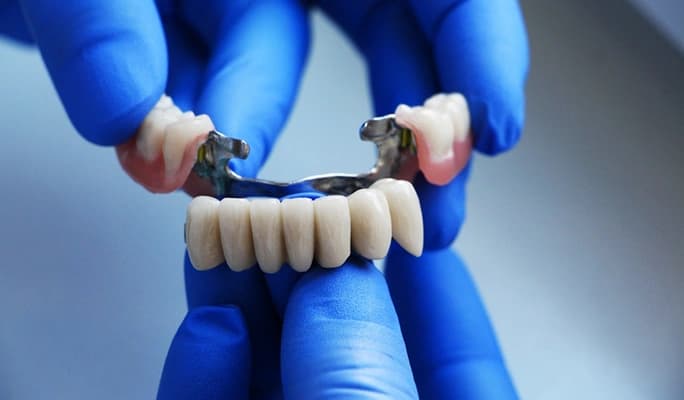
A bridge isn’t removable and that is the fundamental difference between it and a partial denture. The teeth on each side of the gap are drilled down and fitted with crowns. Those crowns turn those teeth into structural anchors, called abutments. The pontic is suspended between them. The whole assembly is one fixed, non-removable unit. General dentists with restorative training manage most bridge cases without complication. More demanding clinical presentations are referred to a prosthodontist. There is no surgical component in standard bridge work. Local anesthesia is injected before preparation begins and covers the patient for the full length of the appointment. When cleaned properly and reviewed at regular intervals, a bridge holds up for 10-15 years. The problem area is underneath the pontic. That is where debris accumulates when patients don’t clean there daily. A floss threader or interdental brush going beneath the pontic every day is what keeps bacterial buildup from becoming a clinical problem. Biting hard foods directly onto the bridge wears it faster. Patients who have lost teeth to gum disease, decay, or trauma are candidates, provided the neighboring teeth or implants are in decent enough condition to carry the bridge. Those looking into a fixed bridge abroad should know the treating clinic will examine the mouth thoroughly and take X-rays before any preparation work starts. Those results determine the bridge design. Traditional, cantilever, Maryland-bonded, and implant-supported options each suit different clinical situations

FREE HOTEL & FLIGHTS

100% OFF ON DENTAL CHECKUP

BEST PRICE GUARANTEED
Overview
A bridge isn’t removable and that is the fundamental difference between it and a partial denture. The teeth on each side of the gap are drilled down and fitted with crowns. Those crowns turn those teeth into structural anchors, called abutments. The pontic is suspended between them. The whole assembly is one fixed, non-removable unit. General dentists with restorative training manage most bridge cases without complication. More demanding clinical presentations are referred to a prosthodontist. There is no surgical component in standard bridge work. Local anesthesia is injected before preparation begins and covers the patient for the full length of the appointment. When cleaned properly and reviewed at regular intervals, a bridge holds up for 10-15 years. The problem area is underneath the pontic. That is where debris accumulates when patients don’t clean there daily. A floss threader or interdental brush going beneath the pontic every day is what keeps bacterial buildup from becoming a clinical problem. Biting hard foods directly onto the bridge wears it faster. Patients who have lost teeth to gum disease, decay, or trauma are candidates, provided the neighboring teeth or implants are in decent enough condition to carry the bridge. Those looking into a fixed bridge abroad should know the treating clinic will examine the mouth thoroughly and take X-rays before any preparation work starts. Those results determine the bridge design. Traditional, cantilever, Maryland-bonded, and implant-supported options each suit different clinical situations
Procedure Time
Two appointments will be required. Each one runs 60-90 minutes. Usually a fortnight sits between them while the laboratory fabricates the bridge.
Recovery Time
Neither appointment is followed by a rest period. Normal daily activity resumes the same day. Sensitivity in the anchor teeth for 3-5 days after the first visit is typical.
Expected Results
The gap closes when the permanent bridge is cemented. The bite and surrounding tissue generally settle within 1-2 weeks. After that the bridge sits and functions like the rest of the dentition.
Ideal candidates
Adults with 1-3 consecutive missing teeth and structurally sound, disease-free neighbors on both sides of the gap. Those teeth are carrying the bridge and their health isn’t a secondary concern.
Affordable Care | Transparent Costs | Expert Guidance
Get best price with CureMeAbroad
Things to Check for Dental Bridges Abroad
- Before preparation begins, the treating dentist needs the patient's full medical history. Any documented reactions to metals, adhesives, or bonding agents used in dental work must be included in that history.
- Every medication and supplement being taken needs to go to the clinic in writing before treatment starts. Blood thinners and certain anti-inflammatory drugs affect tissue healing and change how local anesthesia behaves.
- Past dental treatment feeds directly into bridge planning. Old crowns, fillings, implants, and previous extractions all influence the design and the positioning of the new bridge's margins.
- Chronic conditions, diabetes, heart disease, and clotting disorders need to be disclosed before treatment planning starts. They affect both what is planned and how the patient heals.
- Patients with significant ongoing medical conditions need written clearance from their own doctor or specialist in hand before any bridge appointment abroad is confirmed.
Risks And Complications of Dental Bridges Abroad
- The anchor teeth will almost always be sensitive after preparation. Enamel has been removed. That is a predictable tissue response and most patients find it clears within a few days. A small number take a bit longer.
- Decay under the crown margins builds slowly when patients aren’t cleaning that area properly. It can go unnoticed for a long time. When it reaches the anchor tooth structure, it can bring the whole bridge down eventually.
- Gum inflammation at the bridge margins turns up in some patients. Plague sitting consistently at the margin, or a fit that isn’t quite precise, are the usual causes. When caught early, it is manageable.
- Gum tenderness in the first few days following treatment is a standard tissue reaction. It doesn’t require treatment, as regular gentle cleaning is all that moves it along.
- Mild swelling around the treated site after the preparation visit occurs in some patients. It usually resolves without any intervention within 2-3 days.
Do’s
- ✓Verify surgeon credentials (e.g. ISAPS, JPRAS)
- ✓Ask for before-after photos
- ✓Check language barriers
- ✓Review aftercare and follow-up options
- ✓Consider local laws on medical malpractice
Don'ts
- ✗Don't Choose a Clinic Based Only on Price
- ✗Don't Rely Solely on Social Media or Influencers
- ✗Don't Ignore Language Barriers
- ✗Don't Rush Into Surgery Without Research
- ✗Don't Assume You Can Fly Back Immediately
Under Dental Treatment
Loading...
CureMeAbroadIs Absolutely Free
Just discovery so you can choose what's right for you!


World's No. 1 Medical Discovery Platform
Dental Bridges
This procedure involves specific medical techniques tailored to address particular health conditions. Your doctor will explain the detailed process based on your case.
Dental Bridges
Eligibility depends on your medical history, current condition, and treatment goals. A consultation and evaluation will determine if you are a suitable candidate.
Dental Bridges
Preparation may include lab tests, imaging, medication adjustments, fasting, or lifestyle recommendations. Your healthcare provider will give you personalized instructions.
What does this procedure involve?
Dental Bridges
This procedure involves specific medical techniques tailored to address particular health conditions. Your doctor will explain the detailed process based on your case.