




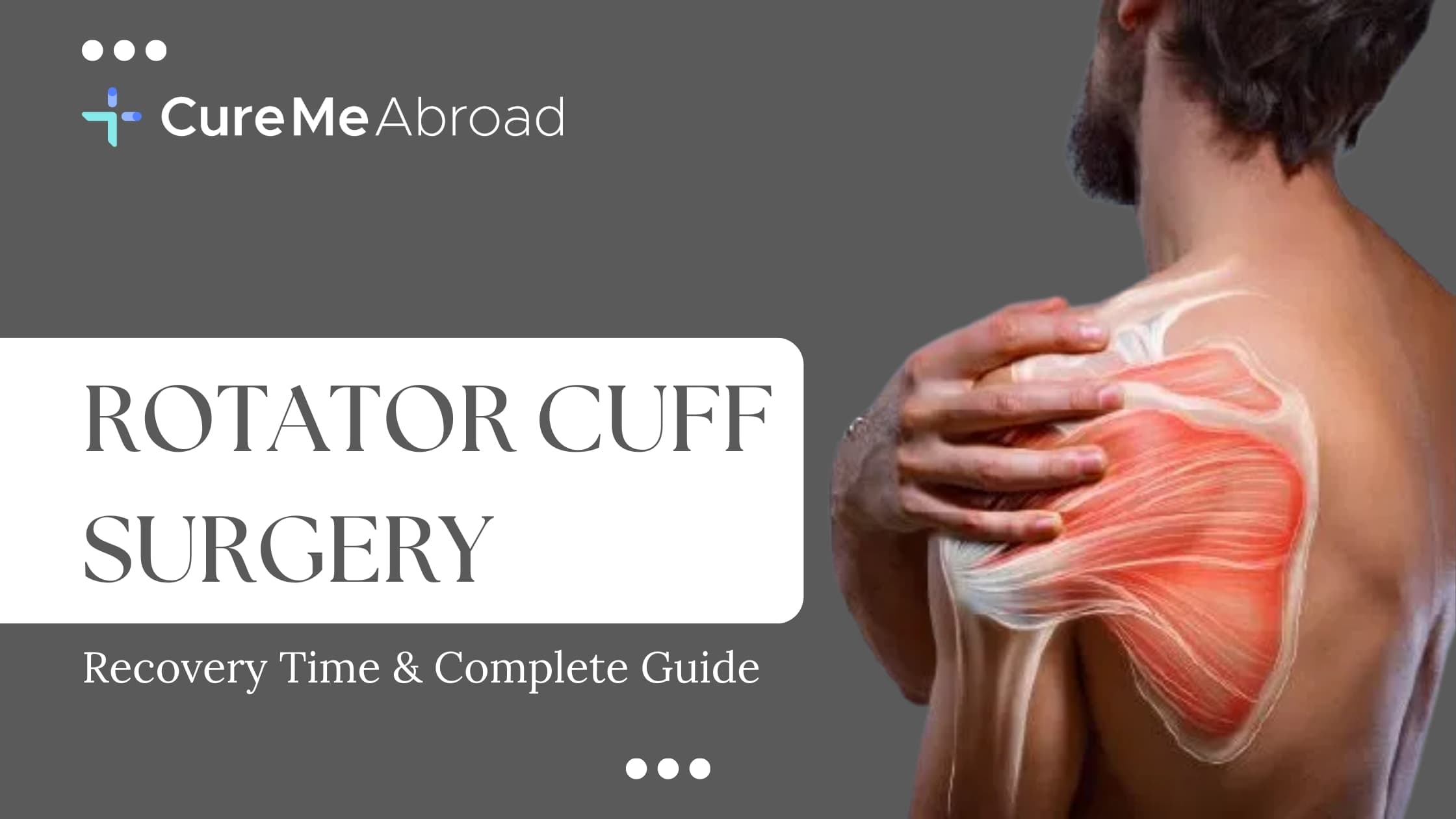
Most people need 4–6 months to recover after rotator cuff surgery. Understanding the recovery timeline helps patients track their progress realistically and stay motivated during rehabilitation.
The rotator cuff is a group of four muscles and tendons that stabilize the shoulder joint and allow movement. Injury, repetitive strain, or trauma can cause a tear in these tissues, leading to pain, weakness, and limited mobility. In such cases, surgery may be required to repair the damage.
Although surgical techniques have improved significantly, recovery depends largely on consistent rehabilitation, patience, and following medical advice carefully.
How Long Does Rotator Cuff Surgery Recovery Take?
Rotator cuff surgery recovery time varies depending on the size of the tear, the surgical technique used, and the patient’s overall health.
Research shows that about 80% of patients achieve satisfactory outcomes within 6 months.
Typical recovery timeline:
- Small tears: 3–4 months
- Medium tears: 4–6 months
- Large tears: 6–9 months
- Massive tears: 9–12 months or longer
Patients who undergo arthroscopic rotator cuff surgery usually experience:
- Less pain
- Smaller scars
- Faster recovery
Immediate Post-Surgery Phase (0–6 Weeks)
During the first six weeks, protecting the repaired tendon is the main priority.
Patients typically wear a shoulder sling continuously, removing it only for hygiene and guided exercises.
Common features of this phase include:
- Mild to moderate pain and swelling
- Limited shoulder movement
- Use of ice packs to reduce inflammation
- Short walks to improve circulation and prevent blood clots
- Follow-up appointment with the surgeon
Between weeks 3 and 6, passive motion exercises may begin. In these exercises, a therapist or another person gently moves the arm while the shoulder muscles remain relaxed.
Sleeping in a reclined position or using a recovery pillow can help reduce strain on the shoulder.
Early Mobility Phase (6–12 Weeks)
During this stage, movement gradually shifts from passive motion to active-assisted movement.
Key changes during this phase:
- The sling is usually removed around week 6
- Assisted shoulder movements begin
- Physical therapy becomes more intensive
- Range of motion gradually improves
Common rehabilitation exercises include:
- Pulley exercises
- Table slides
- Assisted arm lifts
By week 8, many patients can resume basic activities such as:
- Dressing independently
- Light household tasks
- Desk work
Driving may become possible between weeks 8 and 10, once patients are no longer using the sling or strong pain medications.
Strengthening Phase (3–6 Months)
Around 12 weeks after surgery, strengthening exercises begin.
This phase focuses on rebuilding shoulder strength through:
- Light resistance bands
- Small weights
- Isometric muscle contractions
Rehabilitation usually begins with scapular stabilization exercises because shoulder movement depends heavily on proper shoulder blade function.
Once stability improves, strengthening exercises target the rotator cuff muscles directly.
Many patients regain about 80% of their strength and mobility by the fourth month, although recovery speed varies widely between individuals.
Full Recovery and Return to Activities (6+ Months)
From six months onward, patients continue improving strength, endurance, and mobility.
Typical milestones include:
- Light sports such as swimming or golf around 6 months
- Strenuous activities or heavy lifting after 9–12 months
- Return to competitive sports or physically demanding jobs around 1 year
Research indicates that 85–95% of patients report satisfaction with their surgical results after one year.
What to Expect During Rotator Cuff Surgery Recovery
Recovery after rotator cuff surgery involves several common physical and emotional challenges.
Pain and Discomfort
Pain levels may fluctuate during recovery. Most patients experience noticeable improvement by week 8, although occasional discomfort may persist for several months.
Swelling and Bruising
Bruising may spread downward toward the chest due to gravity. These symptoms typically resolve within two to three weeks.
Shoulder Stiffness
Stiffness is common after surgery. Regular physical therapy and home exercises help gradually restore mobility.
Emotional Challenges
Long recovery periods may lead to frustration, sleep disturbances, or anxiety about reinjury. Support from healthcare providers, family, and friends can help maintain motivation.
Managing Pain After Rotator Cuff Surgery
Pain management plays an important role in recovery and helps patients participate actively in rehabilitation.
Medication Options
Doctors may prescribe:
- Opioids for severe pain during the first week
- Acetaminophen for mild to moderate pain
- NSAIDs to reduce inflammation (depending on surgeon recommendations)
Non-Medication Pain Relief
Other effective pain management methods include:
- Ice packs for 15 minutes every few hours
- Proper arm support with pillows
- Nerve blocks used during surgery for temporary pain relief
Listening to the body is important—sharp or worsening pain may indicate excessive strain.
Physical Therapy for Rotator Cuff Surgery Recovery
Physical therapy is one of the most important factors in successful recovery.
Patients who follow rehabilitation programs consistently tend to achieve significantly better outcomes.
Therapy usually begins within the first week after surgery and progresses gradually as healing improves.
Typical therapy goals include:
- Reducing inflammation and pain
- Restoring range of motion
- Rebuilding shoulder strength
- Preventing stiffness and scar tissue formation
Most patients perform home exercises two to three times per day in addition to scheduled therapy sessions.
Exercises for Rotator Cuff Surgery Recovery
Rehabilitation exercises progress in stages.
Early Stage Exercises
- Pendulum swings
- Passive arm movements
- Gentle assisted stretching
Intermediate Exercises
- Pulley exercises
- Wall climbing movements
- Assisted shoulder lifts using rods or sticks
Strengthening Exercises
- Isometric contractions
- Resistance band exercises
- Light weight training
Later stages focus on activity-specific training that prepares patients to return to sports, work tasks, or daily activities.
Factors That Affect Rotator Cuff Surgery Recovery Time
Recovery speed varies significantly between patients.
Key factors include:
Size of the Tear
Larger tears generally require longer healing time.
Age
Younger patients typically heal faster, although older patients can still achieve excellent outcomes with consistent rehabilitation.
Tissue Quality
Poor tendon condition, muscle degeneration, or chronic tears may slow recovery.
Lifestyle Factors
Recovery may be affected by:
- Smoking
- Poor nutrition
- Diabetes
- Medications that interfere with healing
Surgical Technique
Arthroscopic surgery often results in faster early recovery due to less tissue damage.
Rehabilitation Compliance
Patients who follow therapy instructions closely tend to recover faster and achieve better long-term outcomes.
Do's and Don'ts During Rotator Cuff Surgery Recovery
| Essential Do's | Critical Don'ts |
|---|---|
| Wear the sling for the full recommended period (usually 4–6 weeks) | Do not remove the sling too early |
| Attend all physical therapy appointments | Avoid reaching behind your back or overhead early on |
| Apply ice regularly during the first two weeks | Do not lift objects heavier than a coffee cup during early recovery |
| Keep the incision clean and dry | Do not drive while wearing a sling or using narcotic pain medication |
| Sleep in a reclined position for comfort | Do not smoke, as it slows healing |
| Communicate concerns with your healthcare provider | Do not ignore increasing pain or signs of infection |
Tips to Speed Up Rotator Cuff Surgery Recovery
Several lifestyle habits can support faster healing.
Eat a Nutrient-Rich Diet
Adequate nutrition helps repair tissues. Important nutrients include:
- Protein: 1.2–1.6 g per kilogram of body weight
- Vitamin C: supports collagen formation
- Omega-3 fatty acids: reduce inflammation
Get Quality Sleep
Aim for 7–9 hours of sleep per night, which helps the body release growth hormones that support tissue repair.
Stay Physically Active
Light activities such as walking or stationary cycling improve circulation without stressing the shoulder.
Manage Stress
Stress hormones can slow healing. Relaxation techniques such as breathing exercises, meditation, or reading can help maintain emotional balance.
Stay Hydrated
Drinking 8–10 cups of fluids daily supports nutrient transport and tissue recovery.
When to Contact Your Doctor During Recovery
Although most patients recover without complications, certain symptoms require immediate medical attention.
Contact Your Surgeon If You Experience:
- Fever above 101.5°F (38.6°C)
- Increasing redness, swelling, or warmth around the incision
- Pus or foul-smelling drainage
- Severe pain not controlled by medication
- Sudden sharp pain or popping sensation
- Persistent numbness or weakness in the arm or hand
- Calf pain or swelling (possible blood clot)
- Chest pain or shortness of breath
Maintaining communication with your healthcare team ensures problems are addressed quickly and recovery stays on track.
References
Galatz LM, Ball CM, Teefey SA, et al. Outcome and repair integrity of arthroscopically repaired rotator cuff tears. Journal of Bone and Joint Surgery.
https://journals.lww.com/jbjsjournalAmerican Academy of Orthopaedic Surgeons. Rotator Cuff Tears: Surgical Treatment Options.
https://orthoinfo.aaos.orgKuhn JE, Dunn WR, Sanders R, et al. Effectiveness of physical therapy in treating rotator cuff tears. Journal of Shoulder and Elbow Surgery.
https://www.jshoulderelbow.orgHsu JE, Horneff JG, Gee AO. Immobilization After Rotator Cuff Repair. Orthopedic Clinics of North America.
https://www.orthopedic.theclinics.comColvin AC, Egorova N, Harrison AK, et al. National trends in rotator cuff repair. Journal of Bone and Joint Surgery.
https://journals.lww.com/jbjsjournalTashjian RZ. Epidemiology and treatment of rotator cuff tears. Clinics in Sports Medicine.
https://www.sportsmed.theclinics.com