




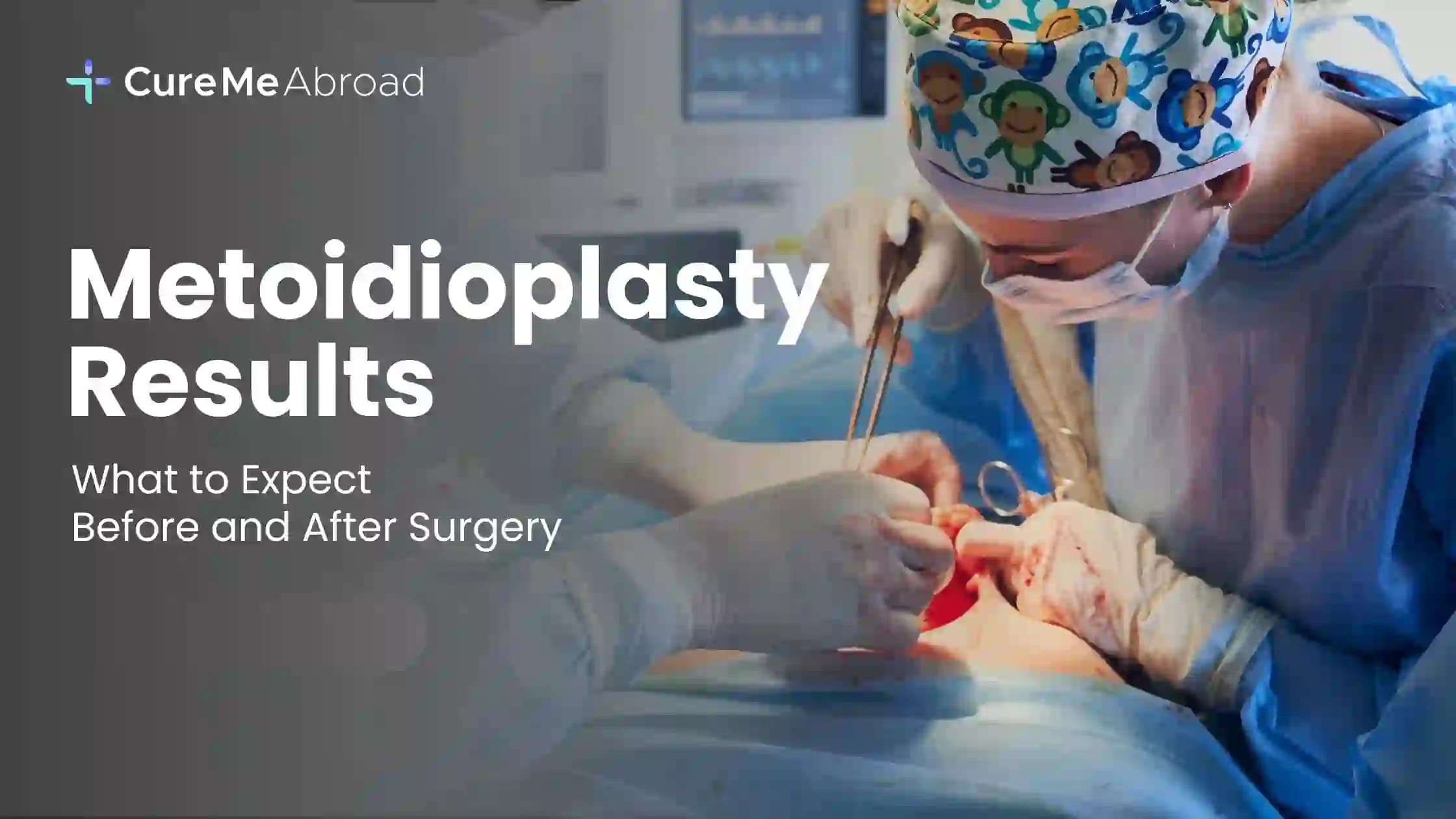
Are you feeling disconnected with your body? In your daily life or intimate moments, is something many people struggle with, and looking for a solution like metoidioplasty often comes from that need for comfort and alignment. Firstly, this surgery is chosen because it uses your own tissue, keeps natural sensation, and can allow simple functions like standing urination, which for many is not about luxury but everyday ease.
In the U.S the cost of Metoidioplasty is usually around $19,000 to $43,000 for full procedures, while simpler options cost less, and more complex plans can go higher depending on steps involved.
In this blog, we will walk you through what metoidioplasty is, its procedure, types, results, recovery timeline, risks, cost breakdown, benefits, alternatives, and how to choose the right surgeon.
What Is Metoidioplasty and Who Is It For?
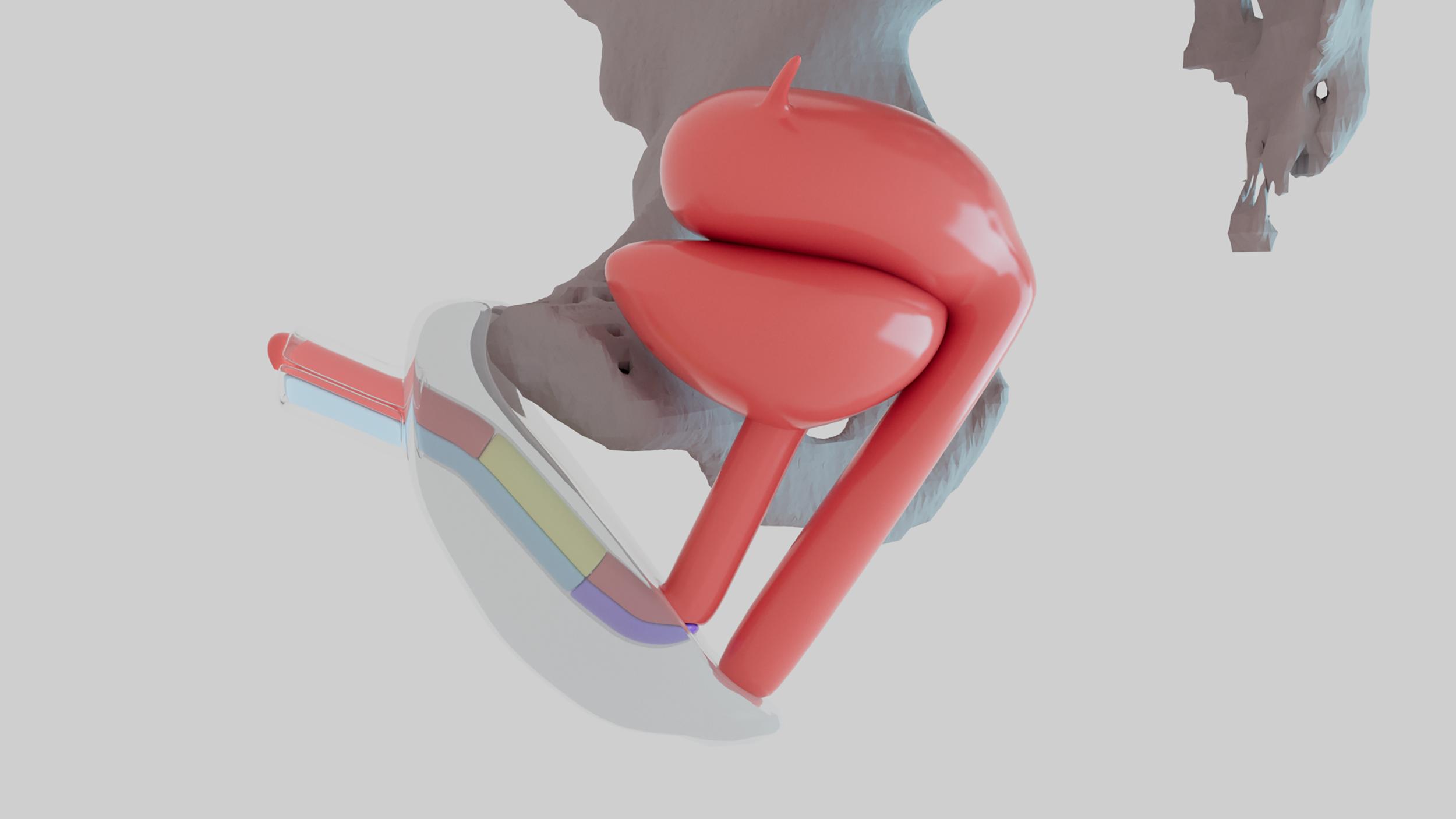
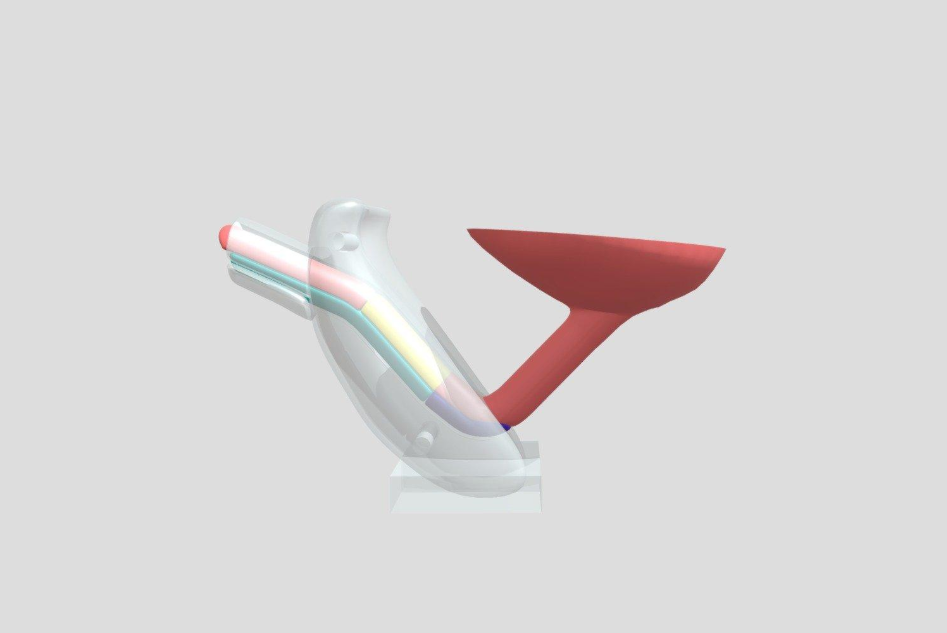
Metoidioplasty is a surgery that helps your body match your gender, by using your own clitoral tissue, which grows with testosterone, to create a small penis and the surgeon then takes this tissue. Move it forward to work more and look like a penis. In some cases they also extend the urine tube which helps the person pee while standing up. The size is usually small. It still feels good and also the person gets erections naturally because it is their own tissue.
Who is it for?
This surgery is mainly for transgender men and some nonbinary people and want their body to match how they feel, in everyday life, during intimacy or just being comfortable in their own skin.
Ideal Candidates for Metoidioplasty Surgery
- You should ideally be on testosterone for 12 to 24 months with visible growth
- Prefer sensation and natural erections rather than focusing on size
- Comfortable with a smaller result and limited penetrative function
- In good physical and mental health for safe surgery and healing
- Conditions like diabetes or blood pressure need be under control
- Either a non-smoker or willing to stop before and after surgery
- Clear about goals such as standing urination or reducing dysphoria
- Aware of realistic outcomes in terms of size and function
Metoidioplasty vs Phalloplasty: Key Differences
| Factor | Metoidioplasty | Phalloplasty |
|---|---|---|
| Size and appearance | Creates a small penis using existing growth, size is usually a few centimeters | Creates a larger penis that looks closer to typical male anatomy |
| Tissue used | Uses your own genital tissue, no need to take skin from other areas | Uses skin grafts from arm, thigh, or back, such that another area is also operated on |
| Sensation | Sensation is usually strong because original nerves are preserved | Sensation can be lower or take time to develop depending on nerve healing |
| Erection | Natural erections are possible without any device | Usually needs an implant later for erections |
| Number of surgeries | Fewer procedures, often done in one or two stages | Multiple stages are common, sometimes spread over months |
| Scarring | No visible donor scars on other body parts | Visible scars at the donor site, especially on the forearm |
| Function focus | Focus is on sensation, comfort, and simple function like standing urination | Focus is on size, appearance, and penetrative capability |
Pros and Cons of Metoidioplasty
Pros
- keeps natural sensation and allows spontaneous erections.
- It only involves fewer surgeries and shorter recovery.
- No scars on arm or thigh, since no tissue is taken from other areas
- Lower surgical risk compared to more complex reconstruction
Cons
- Size remains small, which may not meet everyone’s expectations
- Penetrative sex is usually limited or not possible, depending on individual outcome
- Some people may still need additional procedures, for example urethral lengthening or implants
Pros and Cons of Phalloplasty
Pros
- Creates a larger penis, and appearance to cis male anatomy
- Better option for penetrative sex is an important goal
- More flexibility in shaping and length, depending on the technique used
Cons
- Requires multiple surgeries, and the full process can take longer to complete
- Needs an implant for erections, which may require replacement over time
- Leaves visible scars at the donor site, which some people find difficult to accept
- Higher risk of complications and revisions, especially related to the urethra
Types of Metoidioplasty Procedures Explained
Metoidioplasty is not just one single surgery, it is a group of techniques that all use testosterone-enlarged tissue to create a small penis, but the level of work and results can vary quite a bit. Firstly, you will hear terms like simple release, full metoidioplasty, ring, and Centurion, and yes, names can change slightly between clinics in places like the U.S.
The main differences come down to a few things. Whether the urine path is extended so you can pee standing or not. Whether the vaginal canal is closed. Whether a scrotum with implants is created. And whether extra tissue is taken from other areas like the mouth. Hence, the “best” option is not one fixed answer, it depends on your goal, whether that is sensation, standing urination, fewer surgeries, or avoiding scars, and this is usually decided with an experienced surgeon.
Simple Release Metoidioplasty
This is the most basic option. Only the existing tissue is released and reshaped, no urine tube work, no removal of the vaginal canal, no implants.
The surgeon frees the tissue, straightens it, and makes more of it visible. The result is a small but more prominent penis. Sensation stays strong and erections happen naturally. You still need to sit to pee, and penetrative sex is usually not possible.
Recovery is quicker and risks are lower since there is no complex reconstruction. This suits people who want visible change with minimal surgery.
Full Metoidioplasty Results
This is a more complete approach. Along with release, the urine path is extended through the new penis, and often the vaginal canal is closed and a scrotum is created.
Tissue is used from nearby areas or sometimes the mouth to build the new urine tube. The goal is simple, to allow standing urination and a more complete look.
Sensation and erections are usually preserved, but size remains small. Some people can stand to pee, which for many is a big daily change. Recovery takes longer, often with a catheter and activity limits. There is also a higher chance of issues with the urine tube, so follow up matters.
Ring Metoidioplasty Procedure
This is a variation of full metoidioplasty. It uses nearby genital tissue in a ring-like way to build the urine tube, such that blood supply stays strong and healing can be better.
The process includes release, urine tube creation, and sometimes closure of the vaginal opening. One reason this method is used is to avoid taking tissue from the inside of the cheek (mouth).
Some people are able to pee standing with this method. In certain centers it can be done in one stage. Still,it has certain risks like narrowing or leakage of the urine tube can happen, and size limitations remain.
Centurion Metoidioplasty Outcomes
Centurion is another variation, more commonly discussed in U.S. centers. It focuses on adding thickness by using nearby support structures to wrap around the shaft.
The surgeon releases the tissue, then uses these supports to give more girth and stability. In some cases, urine tube extension and implants are also added in the same surgery.
The result is a small penis with slightly more thickness, with natural sensation and erections. It avoids mouth grafts in many cases, which can make recovery easier for some people. Still, it has the same limits in size and possible urine tube issues if lengthening is done.
This option is often chosen by those who want a one-stage approach with a bit more volume, while keeping expectations realistic about function.
Metoidioplasty Procedure Step-by-Step: How It Works
Metoidioplasty follows a clear path. Firstly, you prepare before surgery, then comes the operation day, and after that early recovery begins. The steps may differ based on simple or full procedure, but the overall flow stays similar but in most U.S. hospitals follow standard safety steps. So this is how it typically works, though your surgeon guides the final plan.
Preoperative Preparation for Metoidioplasty
• Before surgery, preparation is not just formality, it directly affects healing and results.
• You should be on testosterone for about 12 months, so there is enough natural growth to work with
• Mental health readiness may be required depending on surgeon or insurance
• Health is checked with blood tests, history, and medication review
• Some medicines like blood thinners may be stopped earlier
• Smoking and alcohol are avoided because healing slows down
• Surgery type is decided, simple or full, with or without implants
• Expectations are set around size, function, and stages
• Recovery planning includes time off, home help, and transport
• Eating and drinking are stopped for several hours before surgery
Surgery Day: What Happens During Metoidioplasty
On surgery day, everything follows a structured process.
• You arrive early for registration, consent, and final checks
• Team confirms details like allergies and last meal
• IV line is placed for fluids and medications
• Anesthesia team reviews the plan and answers questions
• Positioned on your back with proper support
• Monitors track heart rate, oxygen, and blood pressure
• Anesthesia is given, and a catheter is placed
• Surgeon performs the planned steps over a few hours
• After surgery, recovery monitoring begins
• Discharge may be same day or after one night
Anesthesia and Incision Details
This part is controlled and carefully planned.
• General anesthesia keeps you fully asleep
• Sedation may be used in smaller procedures
• Continuous monitoring keeps things safe
• Mild side effects like nausea can happen
• Incisions are small and placed around existing tissue
• Pattern depends on the procedure type
• Stitches dissolve on their own with dressings applied
• Scars fade but do not fully disappear
Tissue Release and Reshaping
This is where the main surgical work happens.
• Tissue is released so it extends outward more visibly
• Any bend is corrected for a straighter shape
• Skin is adjusted to improve appearance
• Urine path may be extended if planned
• Catheter supports healing of the new channel
• Vaginal canal may be closed if included
• Tissue can be reshaped into a scrotum with implants
• Area adjusted for better angle and projection
• Goal is simple, improve appearance while preserving function and sensation
Metoidioplasty Results: Before vs After Surgery
Metoidioplasty results are the best way to understand side by side. Firstly, what you see in the first few days or weeks is very different from what you get after months, and that gap matters and the body needs time, swelling settles, tissues relax, and only then the real outcome shows. So comparing before and after gives a clearer, more honest picture.
Immediate vs Long-Term Metoidioplasty Results
| Aspect | Immediate (First days to weeks) | Long-Term (6 to 12 months and beyond) |
|---|---|---|
| Pain and comfort | Soreness, fatigue, and need for pain medication | Little to no pain, normal comfort returns |
| Swelling and bruising | Heavy swelling, bruising, dressings, area may look worse before better | Swelling gone, tissues softer, more natural look |
| Urination | Catheter in place, restricted movement, possible leakage | Catheter removed, urination more stable, standing possible if lengthening done |
| Daily life | Limited movement, no exercise, no sex, time off work | Return to work, travel, exercise, intimacy, and daily routine |
Size, Sensation, and Erection: Early Healing vs Long-Term
| Factor | Early Healing Phase | Long-Term Outcome |
|---|---|---|
| Size | Looks shorter, swollen, partly hidden due to surrounding swelling | More visible projection, size remains small and not suited for typical penetration |
| Sensation | Numbness, tingling, or unusual feeling as nerves recover | Sensation usually strong, touch and sexual feeling return, orgasm remains possible |
| Erections | Can feel tight or uncomfortable, not advised to stimulate early | Natural erections possible without implants, but size remains modest |
Scarring and Aesthetic Outcomes: Right After Surgery vs Final Appearance
| Aspect | Early Stage | Final Appearance |
|---|---|---|
| Scarring | Red, raised incisions, stitches or strips visible, uneven areas possible | Scars fade, flatten, and blend more with surrounding skin |
| Overall appearance | Swollen, bruised, shape may look uneven or concerning at first | More defined shape of penis and scrotum, overall more natural look |
| Emotional impact | Mixed feelings, relief with some anxiety or doubt | More confidence in daily life and intimacy, though some may consider minor revisions |
Additional Procedures to Enhance Metoidioplasty Results
Metoidioplasty can be done alone, but many people choose add-on procedures to improve function or appearance, and sometimes both together. Those are optional, and it is not for everyone, that choice totally depends on your goals, health, and what your surgeon recommends. Some are done in one stage, others later.
Clitoral release improves projection and access. Vaginectomy removes or closes the vaginal canal. Urethroplasty helps with standing urination. Scrotoplasty and implants improve the overall look. Mons reduction makes the penis appear less buried. So, the choice depends on your goals, function, appearance, or both.
Clitoral Release and Sensitivity Enhancement
• Involves releasing tissue and reshaping skin so more of the tip is visible
• Aims to improve projection and make stimulation easier
• Nerves and blood supply are protected to keep sensation intact
• Present in all types, but can be more or less extensive
• Sensation and orgasm are usually preserved
• Temporary numbness can happen, permanent loss is rare
Vaginectomy: Pros, Cons, and Recovery
Pros
• Removes the vaginal opening, which reduces dysphoria for many people
• Can provide useful tissue for urethral reconstruction
• Helps create a more typically male genital appearance
Cons
• Irreversible, no future vaginal penetration possible
• Adds surgical time and slightly increases risk
• Possible issues like bleeding, infection, or wound healing
Recovery
• Sitting for long periods may feel uncomfortable in early weeks
• Careful hygiene is needed to keep the area clean
• Activity restrictions until healing is confirmed by the surgeon
Urethroplasty for Standing Urination
• Extends the urine path to the tip, allowing standing urination
• Built using nearby tissue and sometimes cheek lining
• Catheter stays in place during early healing
• Many achieve standing urination, but not guaranteed
• Risks include leakage, narrowing, or spray
• May need revisions, recovery needs patience and care
Scrotoplasty and Testicular Implants
• Creates a scrotum from existing tissue
• Implants can be added at same time or later
• Improves appearance in clothing and daily life
• Implants settle over time and feel more natural
• Risks include infection or shifting
• Recovery includes swelling, support wear, and activity limits
Mons Resection for Improved Appearance
• Reduces fat above the genitals to improve visibility
• Helps the penis look less hidden and more projected
• Usually done after initial healing is complete
• Does not increase actual size, only appearance
• Recovery includes swelling and need for support garments
• Useful for those who feel results look buried
Metoidioplasty Recovery Timeline: What to Expect Week by Week
Healing is a process, takes time to heal week by week. The first two weeks are all about resting and taking care of the area. Then activity slowly increases, and later months focus on final healing. The pace can vary based on your surgery and body, so your surgeon’s advice always comes first.
First 2 Weeks After Metoidioplasty Surgery
• For first 0 to 3 days, you will be in hospital or just home, pain is strong, meds can make you drowsy, swelling and bruising look heavy, catheter feels uncomfortable but normal
• Movement is minimal at first, short assisted walks help prevent clots, most of the time you are resting
• Days 4 to 7, pain slowly reduces, but energy is low, short walks at home only, no bending or lifting
• Dressings need checking as advised, showers allowed but no baths, fluids and stool softeners help avoid straining
• Week 2, pain becomes manageable, swelling still present but improving, some may plan return to desk work
• Watch for warning signs like fever, redness, bad smell, or catheter issues, follow-ups usually happen here
1-3 Months Post-Op Milestones
• Weeks 3 to 4, swelling drops, sitting and walking feel easier, light daily tasks and short outings become possible
• Weeks 5 to 6, catheter may be removed if healing is stable, urination starts improving though may need adjustment
• Start the activity slowly but still light exercise may begin if allowed, and heavy lifting or intense workouts not allowed
• In 2 to 3 months, shape becomes clearer, you can go back to your daily routine life, but full healing is still will be ongoing
Full Recovery: 6-12 Months and Beyond
• In 4 to 6 months, most daily activities feel normal, scars will become soften, and tissues feel less tight
• Urination becomes stable, standing or sitting depending on outcome, sexual comfort improves gradually
• Months 6 to 12, scars fade more, sensation becomes clearer, and overall function feels more settled
• After 12 months, you will be able to see the final results easily, and some may consider small revisions if needed
• You should still go to your regular follow-ups with your surgeon, both for physical healing and overall well-being
Risks, Complications, and Safety of Metoidioplasty
When surgery is done by an experienced surgeon then no need to worry at all and Metoidioplasty is generally safe. Some risks are part of the process and most of the issues are manageable. Many people still report good outcomes and satisfaction.
Common Metoidioplasty Side Effects and How to Manage Them
• You will feel Pain, swelling, and bruising, those are common in early days, they reduce with rest and basic care
• And Numbness or tingling can happen, usually improves as nerves settle
• You may notice urinary changes like dribbling or spray may occur, often improve with time
• You might get minor wound issues like redness or irritation can show up, managed with hygiene and medication
• You need to be stay hydrated, avoid strain, and follow care instructions helps recovery
Rare Complications and Prevention Tips
• Urethral issues like leakage or narrowing can happen, may need correction later
• Infection, blood collection, or wound breakdown are uncommon but possible
• Implant issues like shifting or rejection can occur in some cases
• Follow restrictions strictly like avoiding smoking, and controlling health conditions.
• Early reporting of symptoms like fever, pain, or urine problems helps prevent serious issues
Metoidioplasty Cost Overview in the US (2026 Update)
The cost of Metoidioplasty in the United States can be very different from one place to another. This is because there are different types of procedure, surgeon experience, and added steps all change the final number. Most full procedures fall somewhere between $19,000 and $43,000 and simpler options can be much lower, while more complex surgeries with multiple steps can go higher, even close to $50,000 in some cases.
Firstly, this cost is not just one single bill because it usually includes surgeon fee, hospital charges, and anesthesia, but many times travel, stay, and add-on procedures are separate. Hence, what looks affordable at first may increase after full planning.
Average Metoidioplasty Surgery Cost Breakdown of US States
| State / Region | Average Cost |
|---|---|
| California (West Coast) | $25,000 – $50,000 |
| New York (Northeast) | $25,000 – $45,000 |
| Texas (South) | $11,000 – $30,000 |
| Ohio (Midwest) | $12,000 – $28,000 |
| Florida (Southeast) | $15,000 – $35,000 |
These are approximate estimated costs, not fixed price and Real cost depends more on the surgeon than the state, so direct quotes always matter.
Surgeon Fees, Hospital Costs, and Anesthesia
• Surgeon fee is the biggest part, often around $7,000 to $22,000 depending on complexity and experience.
• Hospitals or surgery centers can charge you around between $6,000 to $20,000, covering operating room, staff, and stay.
• Anesthesia cost usually falls between $1,000 to $5,000 based on surgery duration.
• Pre-surgery tests and basic medical checks may add another $500 to $1,500.
Add-On Procedure Pricing
| Additional Procedure | Average Cost |
|---|---|
| Vaginectomy | $3,000 – $6,000 |
| Urethral Lengthening | $10,000 – $15,000 |
| Scrotoplasty + Implants | $4,000 – $8,000 |
| Implants (separate stage) | $3,000 – $6,000 |
| Mons Resection | $2,000 – $5,000 |
| Revisions (per surgery) | $3,000 – $10,000+ |
These additional procedures can change the total cost quickly, fFor example adding urethral lengthening alone can push a basic surgery into a much higher price level.
Planning your budget early helps. It is not just about the base surgery, but the full journey, including possible second stages or small corrections later.
Factors Affecting Metoidioplasty Cost
Cost is not fixed, it changes based on how complex the plan is and what exactly is included in your surgery.
• The type of procedure matters
• The number of stages also affects pricing
• The setting plays a role
• Insurance vs self-pay changes everything
Location, Surgeon Experience, and Insurance Coverage
• Location affects pricing directly
• Traveling adds extra costs
• Surgeon experience matters
• Insurance coverage varies widely
Hidden Costs of Metoidioplasty and How to Budget
• Pre-surgery costs like consultations and tests
• Post-surgery supplies and medications
• Stay near hospital costs
• Possible revision procedures
• Cosmetic refinements
Benefits of Metoidioplasty: Why Patients Choose It
Metoidioplasty is chosen by people because Metoidioplasty focuses on function, comfort and natural feeling rather than just size.
Functional and Psychological Advantages
• Preserved sensation and ability to orgasm
• Possible standing urination
• Shorter recovery
• No large scars
• Improved confidence and comfort
Metoidioplasty Alternatives and Comparisons
| Option | What it offers | Trade-off |
|---|---|---|
| Metoidioplasty | Uses natural tissue, keeps strong sensation, fewer surgeries | Smaller size, limited penetration |
| Phalloplasty | Creates a larger penis with more length and shape options | Needs multiple stages, visible scars, often requires implants |
| No Surgery | No medical risk, body remains unchanged | May not fully reduce dysphoria |
| Hormone Therapy Only | Gradual body changes | Does not change genitals |
Non-Surgical Options for Gender Affirmation
• Social changes like clothing and name
• Hormone therapy
• Binding or packing
• Support groups and counseling
How to Choose the Best Metoidioplasty Surgeon in the US
• Check board certification and experience
• Review results
• Confirm facility accreditation
• Evaluate communication
• Understand costs and follow-up care
Final thoughts
Metoidioplasty is a journey that needs to be prepared in terms of emotionally and physically. From preparation to surgery, recovery, results, and even long-term planning need to be planned.
If you are ready to explore trusted options, visit and find the best hospitals and specialists through CureMeAbroad, then book your consultation and move forward with the right support.
FAQs
1. How Long Do Metoidioplasty Results Last?
Metoidioplasty results are permanent. Structure stays for life, only minor changes like scar softening happen.
2. Is Metoidioplasty Safe and Reversible?
Metoidioplasty is generally safe but not reversible.
3. Can I Have Natural Erections After Metoidioplasty?
Yes, natural erections are possible.
4. What Is the Metoidioplasty Recovery Time?
Initial recovery takes 2–4 weeks, full healing takes 6–12 months.
5. Does Insurance Cover Metoidioplasty in the US?
Coverage varies by plan.
Reference
Metoidioplasty.net. Metoidioplasty procedures. https://www.metoidioplasty.net/procedures/
Mental Health Modesto. Metoidioplasty vs. phalloplasty comparison. https://mentalhealthmodesto.com/mental-health/metoidioplasty-vs-phalloplasty-comparison/
Johns Hopkins Medicine. Metoidioplasty for gender affirming care. https://www.hopkinsmedicine.org/health/treatment-tests-and-therapies/metoidioplasty-for-gender-affirming-care
...